Cyprus: divided, dysfunctional but with a definite charm
The Mediterranean island offers a two-for-one cultural journey, shrapnel scars you aren’t supposed to photograph and, if it’s winter and your luck is in, snow

You can learn a lot about a city and its people from an airport. There’s nowhere to change money in the arrivals hall at Larnaca International, which means currency-challenged passengers have to haul their luggage upstairs, to a kiosk in Departures. I need only €1.50 (HK$12.50) for a bus into town but the ATM won’t recognise my card. Fortunately, the woman at tourist information offers to lend me the necessary coins.
Cyprus is package-holiday territory. Visitors hop off planes and onto tour buses, to be whisked away to Mediterranean beach resorts. Not many independent travellers fly in from Hong Kong with Royal Air Jordanian, via Bangkok and Amman, and take the bus into town. My friend at tourist information comes to the rescue a second time by helping me find the (un-signposted) bus stand.
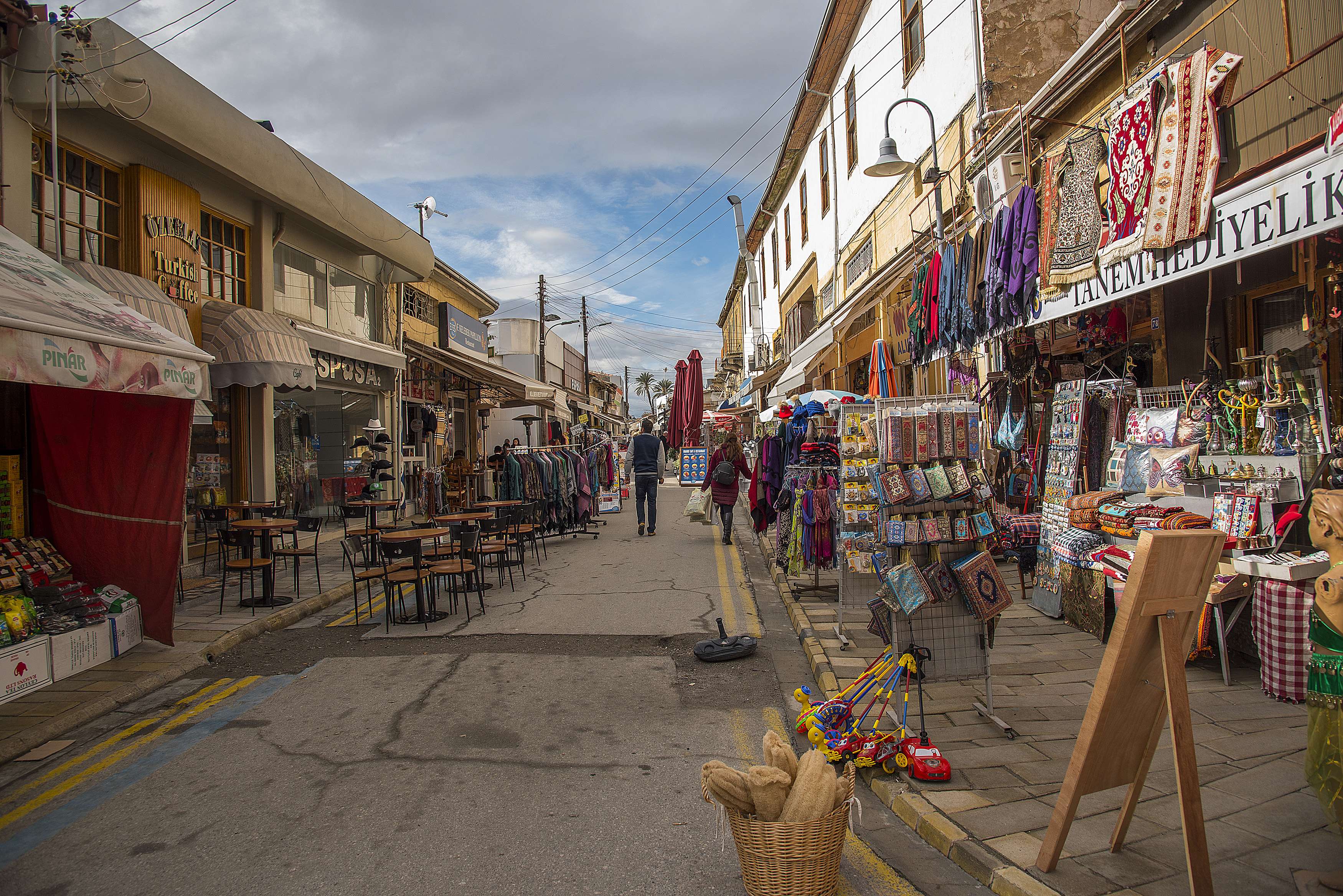
Cyprus is a bit like its main airport. Dysfunctional one minute, only to be redeemed by the heart-warming generosity of its citizens the next. It’s a pity the friendliness doesn’t always extend to fellow countrymen.
Nicosia is a bustling Greek city. The problem is, it’s also a bustling Turkish city. Like the rest of Cyprus, the capital has been divided since 1974, when Turkey invaded the north in response to a military coup supported by the Greek government. Peace talks aimed at resolving the stalemate appear to be reaching an endgame at long last, although Cypriots tell me they’ve heard it all before.