Ghostly Tokyo: the vengeful spirits who haunt the city, and where to go to feel their wrath
Wronged women seek their revenge from the spirit world, and spook developers with their grave markers on prime property

Central Tokyo’s Otemachi financial district is a forest of towers that sits on some of the world’s most valuable real estate, so it’s a surprise to come across a plot inhabited by no more than a few maples, some neat topiary and a small stele atop a stone-clad mound.
The Japanese capital is apparently haunted by vengeful ghosts with colourful stories and, even in a part of the city that is home to the most down-to-earth of businessmen, the unreal can have a real effect on real estate.
In the 10th century, what is now Tokyo was merely a collection of fishing villages. Provincial warlord Taira no Masakado set himself up in opposition to the emperor of his day and, in 940, he was imprisoned then executed, his severed head paraded through the streets of the capital, Kyoto.
Tradition has it that Masakado’s head took flight, fuelled by fury, and landed in Otemachi, where it was buried by villagers.
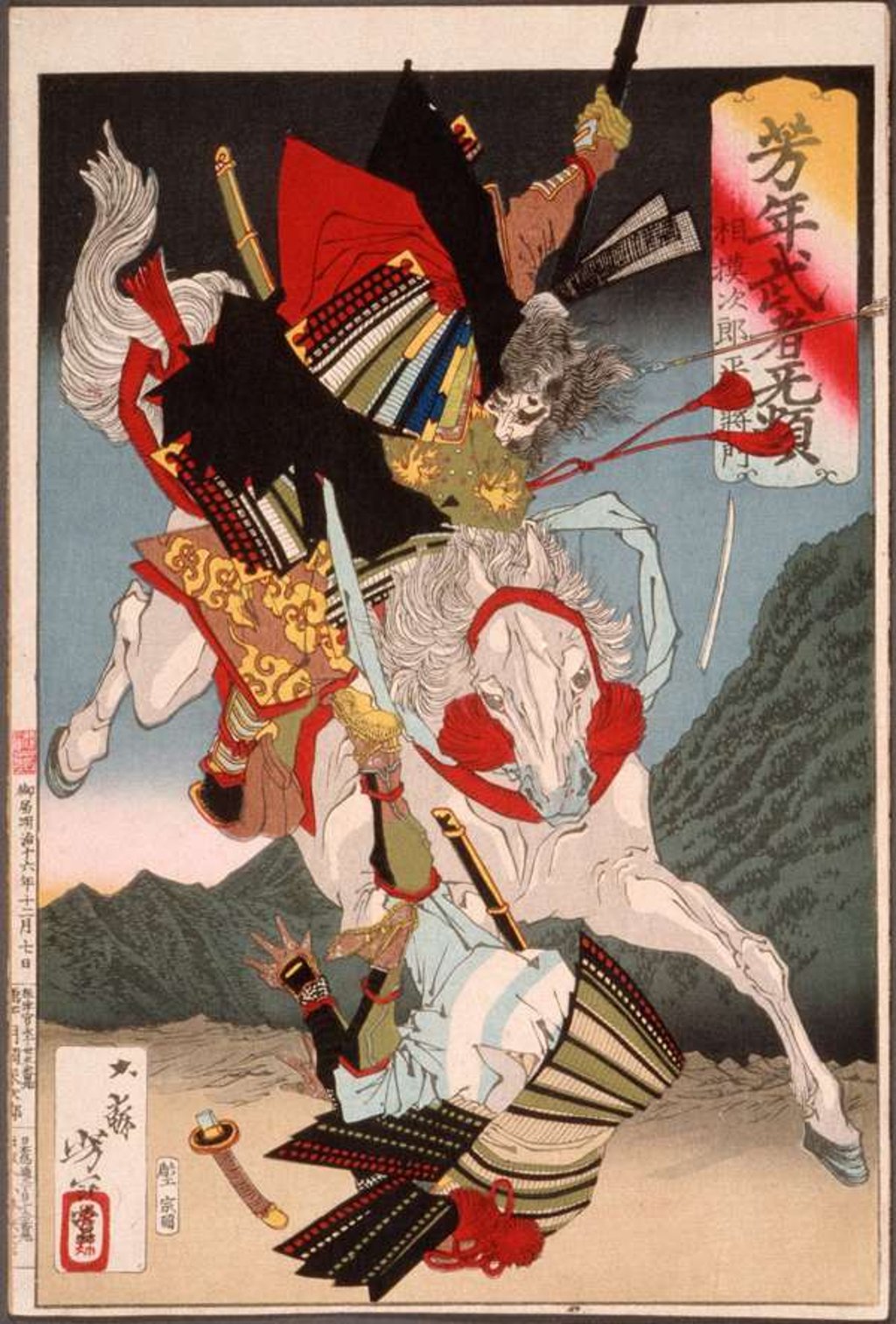
The bureaucrats got the message, demolished the building and restored the grave mound. In 1940, the 1,000th anniversary of Masakado’s death, however, the new Finance Ministry next door was struck by lightning and destroyed. In an effort to placate the dead warlord, the present stone was erected and rituals are performed regularly.