Pamplona’s running of the bulls: the good, bad and ugly sides
More than a million tourists visit the Spanish city every July for the high-octane and controversial “encierro”, but a good seat can cost a fortune and the spectacle only lasts a couple of minutes

THE GOOD
The first rocket is a warning. It alerts the red-and-white-clad hordes that the bulls have been released from their pens. Participants embrace and wish one another “suerte”, or luck. A second rocket informs runners that the beasts – each weighing about the same as a small car – have begun snorting their way along the wine-soaked cobbles. Now the fun starts. Flashbulbs pop and national television cameras roll as a thousand brave (or foolhardy) souls leg it down the narrow 875 metre course, cheered on by spectators on balconies.
The San Fermin Festival attracts more than a million visitors to the city of Pamplona, in northern Spain, every year, from July 6 to 14. They shop, sightsee, eat and drink but, most of all, they come to watch the encierro. Each morning at 8am, six bulls and an equal number of steers stampede their way to the bullring, where 20,000 febrile fans are waiting. From start to finish, the spectacle lasts only 2½ minutes but for those who blink and miss it, the frantic dash is repeated every day throughout the festival.
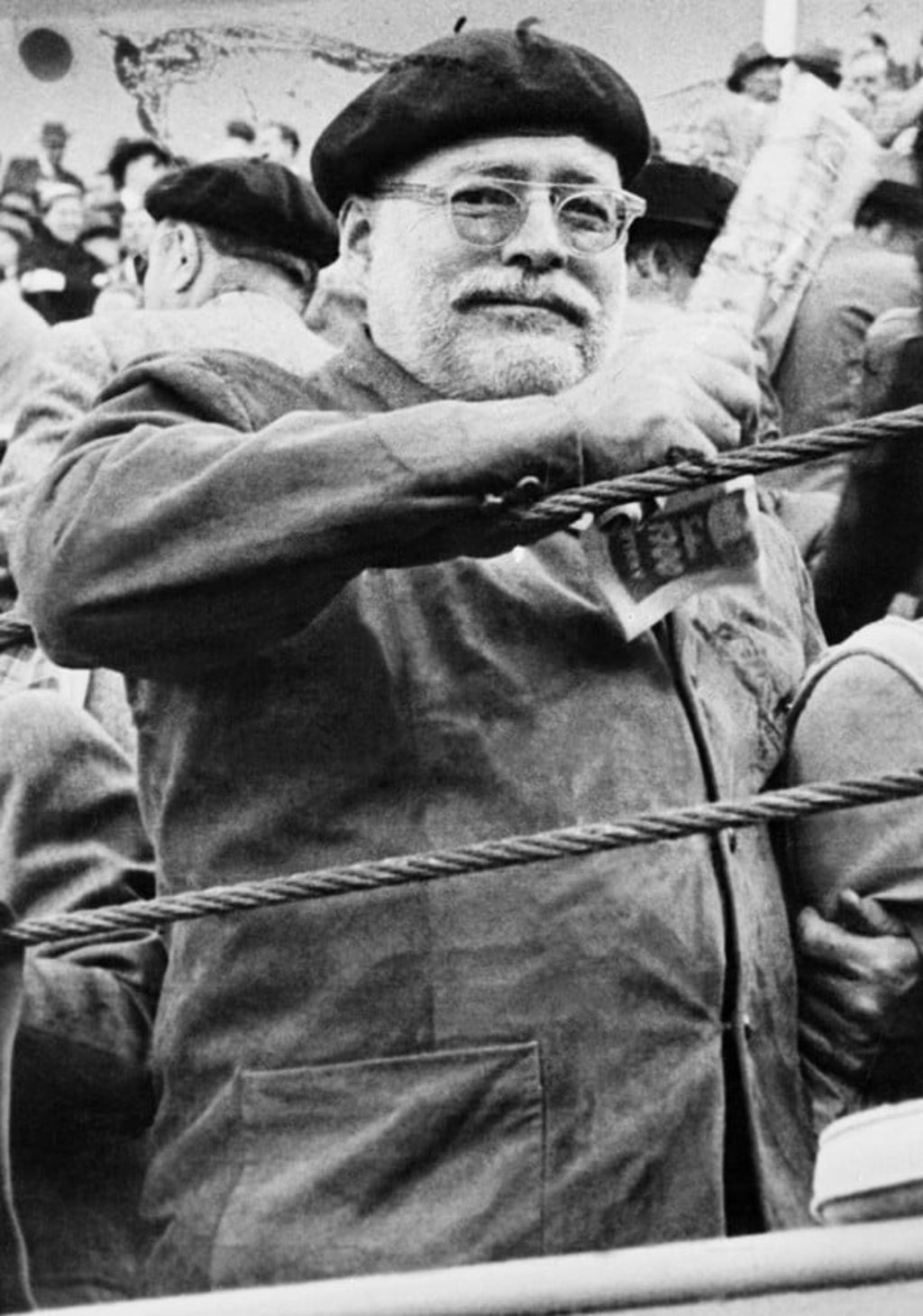
The most dedicated group are the veterans. Many are locals, addicted to the smell of blood and the high octane buzz. They run alongside a fraternity of foreigners who keep coming back for more; men like Americans Joe Distler and Matt Carney, who have gained respect by immersing themselves in the San Fermin traditions and rituals. Distler ran every year from 1967 until 2012 – no native of Navarre province can match him for longevity. And although bull runs are held in many Spanish villages and towns, it was another American, Ernest Hemingway, who immortalised Pamplona’s version in his 1926 novel, The Sun Also Rises.