The good, bad and ugly sides to a holiday on Australia’s Gold Coast
Sandy beaches, theme parks, shopping malls, golf courses – the city has it all. No wonder more than 3.6 million Chinese rate it their favourite Western tourist destination. Downsides include horrendous traffic and drug-related crime

The good
Excluding state capitals, the Gold Coast is Australia’s largest city. It’s also one of the nation’s premier tourist destinations, with 65,000 hotel beds, 57km of white sandy beaches and more canals than Venice.
The region boasts 40 golf courses, the highest concentration of theme parks in the southern hemisphere and a vast hinterland, known as the “green behind the gold”, that includes more than 100,000 hectares of world-heritage nature reserves.
Besides those signature sweeps of sand, the subtropical city is renowned for its strip of high-rise hotels, relentlessly sunny weather and, of course, excellent surfing conditions – the municipality employs the largest professional lifeguard service in Australia.
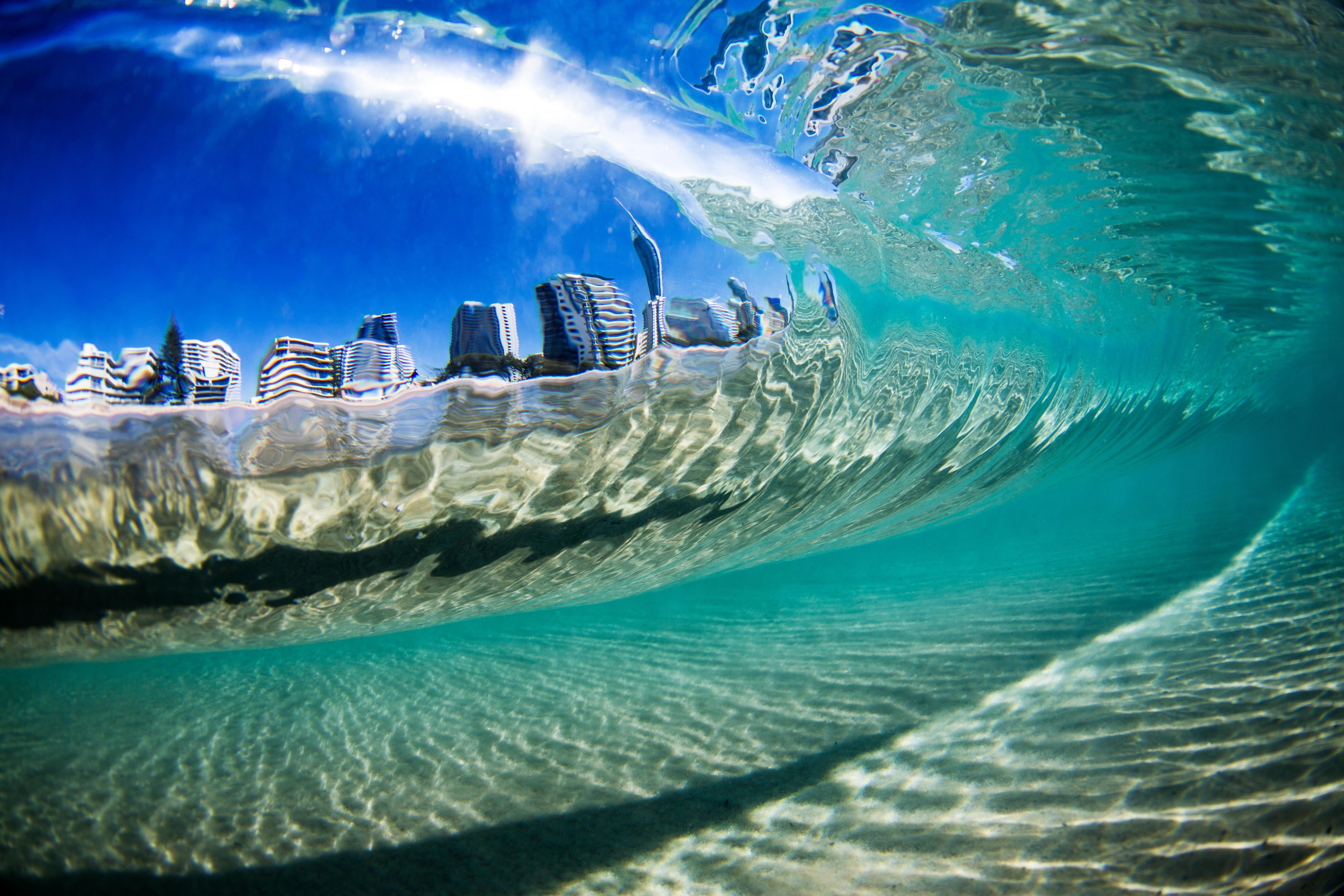
The Gold Coast hit the big time after changing its name from the less than glamorous Southport in 1959. By the 1980s, the Japanese had discovered and invested in the Glitter Strip, creating a development boom that continues to this day.
Now it’s the turn of the Chinese to fall for southern Queensland’s charms. In a February 2017 Ctrip poll, 3.6 million Chinese rated it their favourite city in the Western world – only Phuket, Seoul and Bangkok garnered more votes.
Chinese holidaymakers now account for almost one in four holiday dollars spent in Australia by international visitors, which is more than British and Americans vacationers combined. And Chinese investors with skyline-changing ambitions are following in their footsteps.