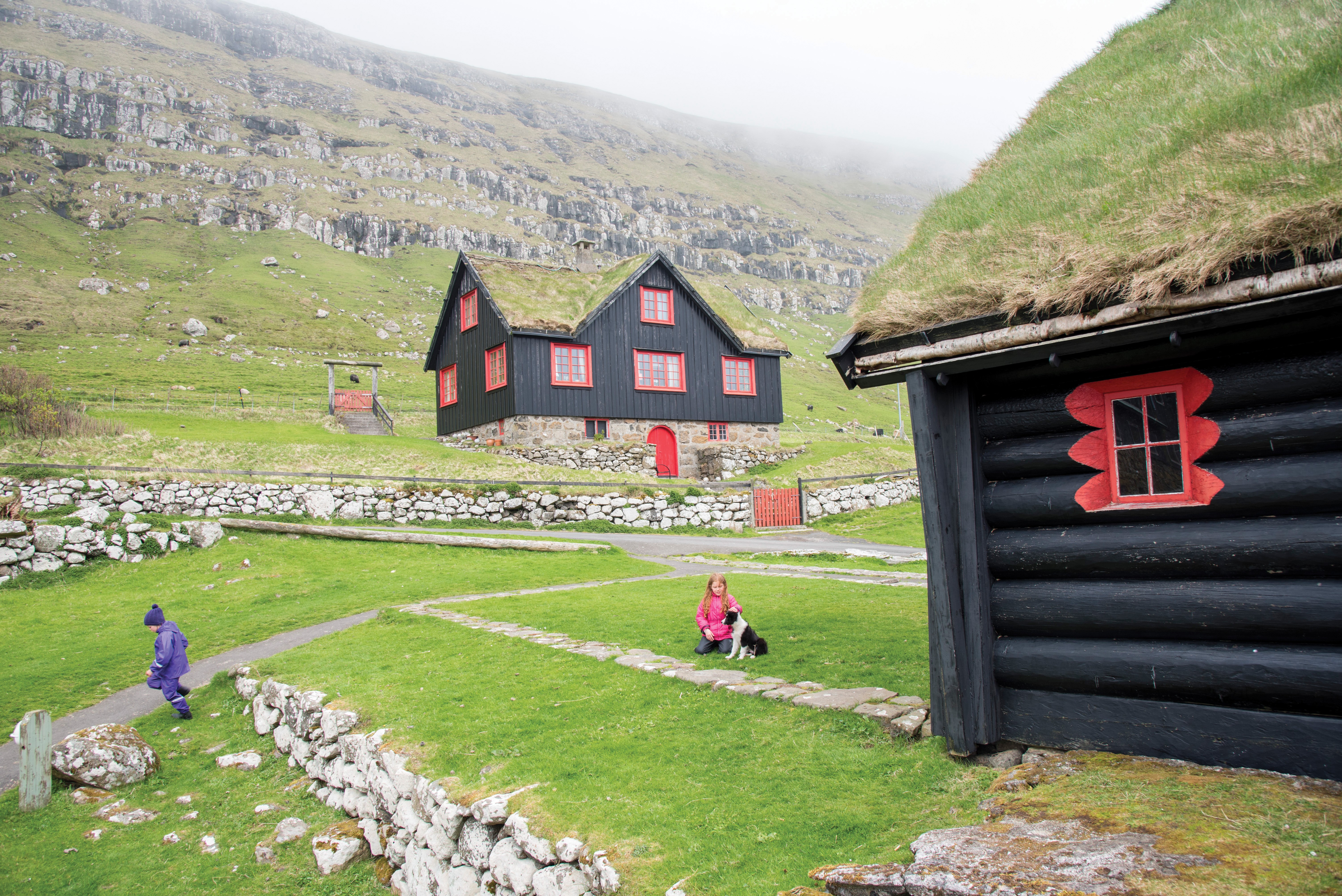
Faroe Islands: a bucket-list destination not for the faint of heart, with blasts of Arctic winds scouring its picturesque villages
Otherworldly archipelago where Mother Nature reigns supreme is chilly at the best of times, but don’t let that put you off; superb vistas and stylish knitwear will reward the hardy visitor

The Faroe Islands appear in so many “places to see before you die” countdowns that I arrive expecting Tórshavn to be filled with geriatric globetrotters clutching their bucket lists. Instead, the chilly capital city has a youthful air. Cafes hum, bars buzz and the streets are crowded with kids kicking footballs.
Located in the north Atlantic between Scotland, Norway and Iceland, the Faroes are 18 islands populated by 50,000 humans, who are outnumbered by 80,000 sheep. A self-governing region of the Kingdom of Denmark, the isolated Scandinavian outpost has its own parliament and flag but isn’t a member of the European Union. Inhabitants see themselves as fervently Faroese, rather than Danish.
Reaching the otherworldly archipelago by plane is not for the faint-hearted. After three attempts at landing in powerful crosswinds, the pilot informs us he’s giving up, so we fly the two hours back to Copenhagen, stay overnight in a hotel then try again the following morning. Mother Nature 1, Humans 0.
Thanks to a low coating of mist, tiny Tórshavn feels even more intimate than a city of 13,000 should. At a cosy coffee shop (in the Faroes, anywhere indoors is cosy), the waitress sorts me out with a hire car; or more accurately, she arranges for me to borrow a neighbour’s sturdy-looking Peugeot. “We’re all friends around here,” she says.