The good, bad and ugly sides to a holiday in Rio de Janeiro
Tourists aren’t the only ones drawn to the Brazilian city’s abundant attractions

The good
In a 2013 survey, Rio de Janeiro was ranked the world’s happiest city – quite an achievement considering it had yet to host the Fifa World Cup (2014) or the Olympics (2016). A great climate certainly creates a sense of well-being, as does a string of decent beaches on which to soak up all that sunshine.
Immortalised in song, Ipanema is worth a visit, if only to find out whether sunbathers really are as “tall and tan and young and lovely” as the bossa nova classic suggests. Less crowded is family-friendly Leme Beach, a continuation of crescent-shaped Copacabana, Rio’s alpha strand of sand.
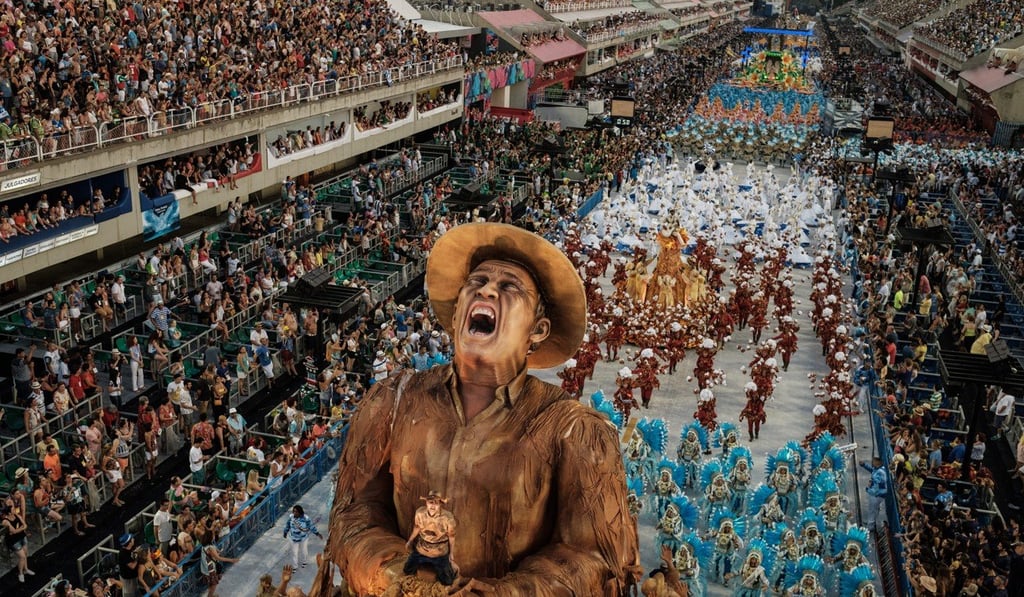
While we’re on the subject of happiness, this week sees the world’s biggest carnival get under way as millions of Cariocas (Rio residents) and tourists dress up, dance and drink until they drop. Hundreds of street parties, or blocos, take place across the city; some at fixed locations, others following parade routes. The free gatherings are usually organised by samba schools – the musical genre and dance style that evolved in Rio at the start of the 20th century.
To clear a hangover and get a sense of how the land lies, join a hiking tour to Dois Irmãos (“two brothers”) hill, from where there are spectacular vistas of the city and Guanabara Bay. Trips begin with a bite to eat and a look around the Vidigal favela before heading along a forested trail to the lookout point. Tours of favelas, or slums, are currently in vogue, particularly since pacification initiatives have made many of the neighbourhoods safe. Will Smith, Kim Kardashian and Beyoncé have all visited
while David Beckham and Madonna are rumoured to have bought houses in Vidigal.