Travellers' ChecksTravellers departing Japan to be charged US$9 sayonara tax
Levy to fund improvements for visitors, which could mean wider availability of free Wi-fi; plus, futuristic designs that didn’t take off, by an American industrial designer who was ahead of his time

From January 7, anyone leaving Japan, by air or by sea, will have to pay a so-called sayonara tax of 1,000 yen (about US$9), unless in transit for less than 24 hours.
This is likely to be added to your airfare during purchase, so you probably won’t notice it unless flying with a low-cost carrier, such as HK Express, in which case it could add a percentage to your return ticket price.
The money collected will supposedly go towards improving tourism infrastructure, which may result in shorter immigration queues and more widespread free Wi-fi.
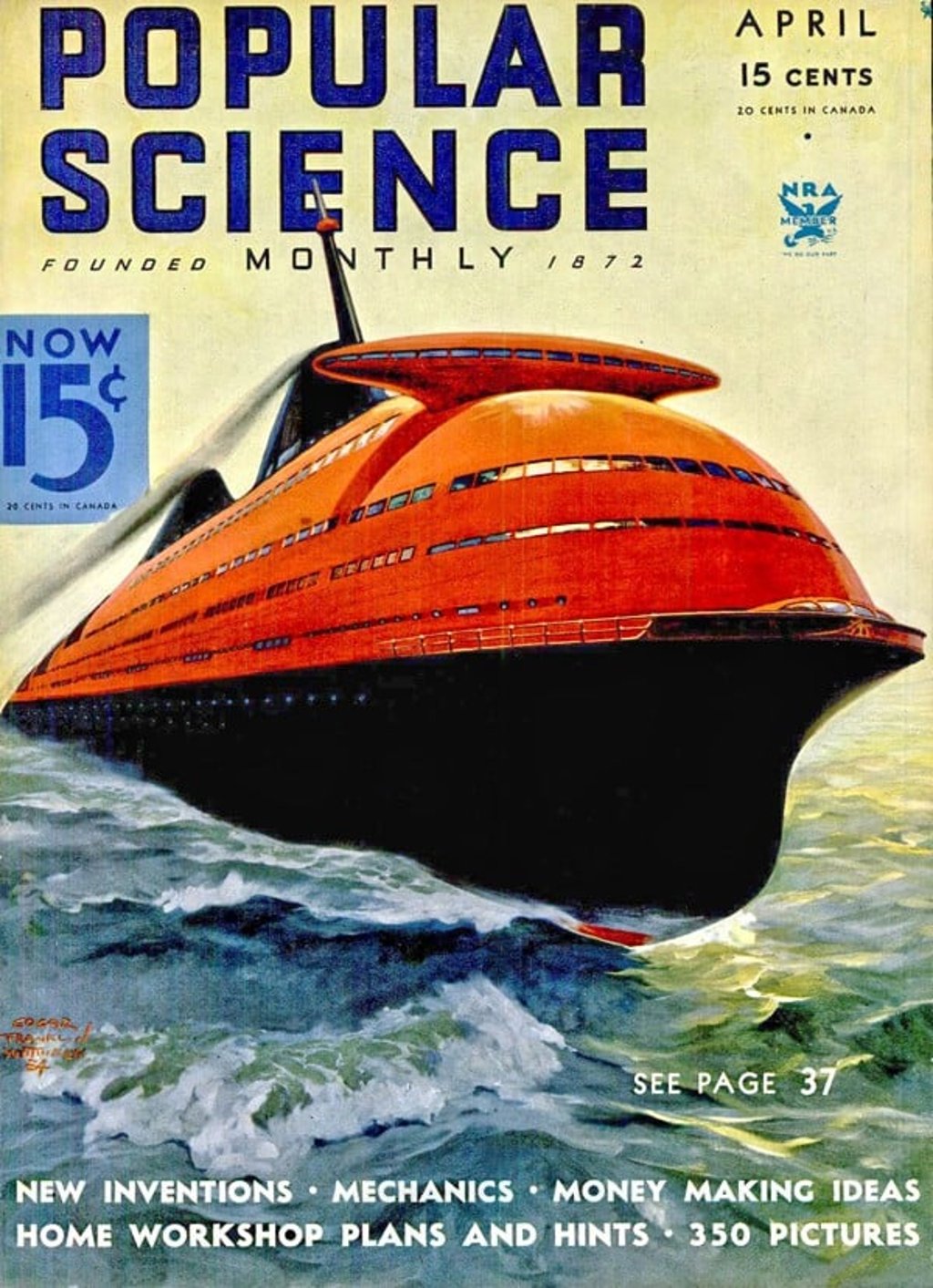
Back to the future – book presents fantastic designs of Norman Bel Geddes
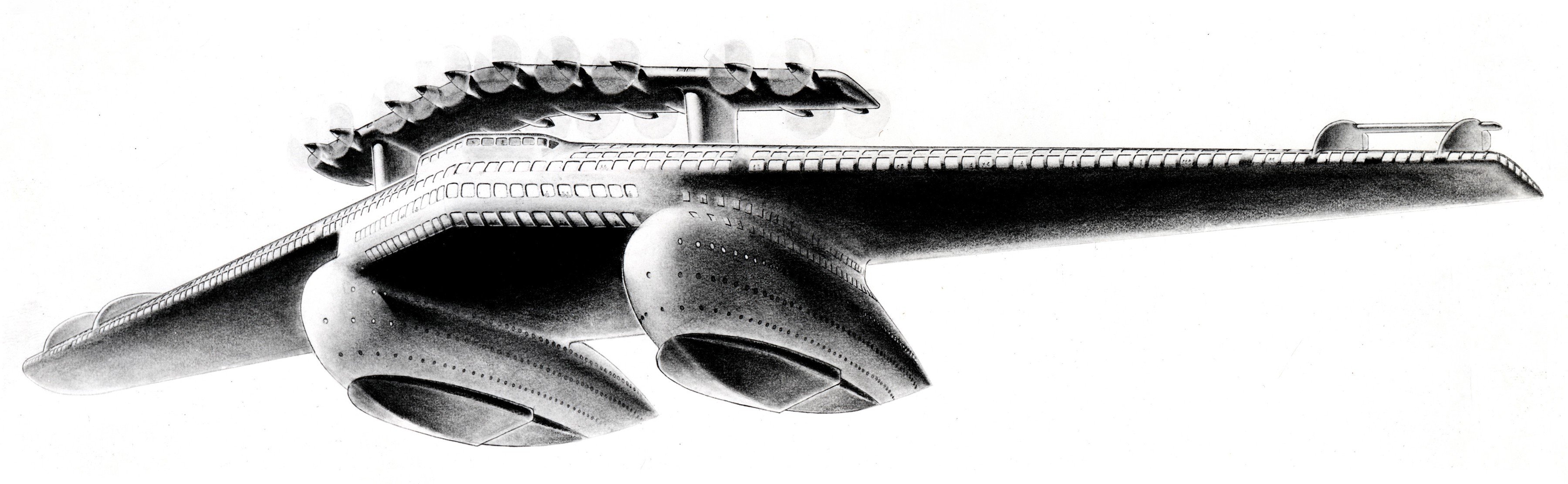
“Man has one outstanding failing – he limits his horizon to what his eyes see,” wrote American industrial designer Norman Bel Geddes in his book Horizons. Published in 1932, this presentation of the author’s work (past and planned, real and imagined) contained several fantastically futuristic travel-related designs – none of which was ever built. Most notable among them were the Streamlined Ocean Liner and Airliner Number 4.
With twice the wingspan of an Airbus A380, Airliner Number 4 was conceived as, essentially, a flying cruise ship, with nine levels featuring dining rooms, a gym and solarium, baths, promenade decks, game areas, verandas and many other public spaces, as well as suites enough for 451 passengers and accommodation for 155 crew.
To have been carried aloft by 20 massive engines, Airliner Number 4 never left the drawing board, but like the Streamlined Ocean Liner, it surely had some influence on future designers. Bel Geddes – who was born 125 years ago this week, on April 27, 1893, and died in 1958 – also worked with Pan American Airways on the interiors of its Martin M-130 flying boats, which connected Hong Kong with the United States in the 1930s.