Destinations knownWhy medical tourism is lucrative for Asia, despite hiccups in Hong Kong
Destinations such as China and India hope to capitalise on an influx of medical tourists, but shortage of HPV vaccine in Hong Kong caused by demand from visitors might deny the city its cut

According to Xinhua news agency, in the two years since Gardasil 9 became available in Hong Kong, 2 million women have crossed the border to be administered the vaccine, which gives protection against precancerous lesions and genital warts.
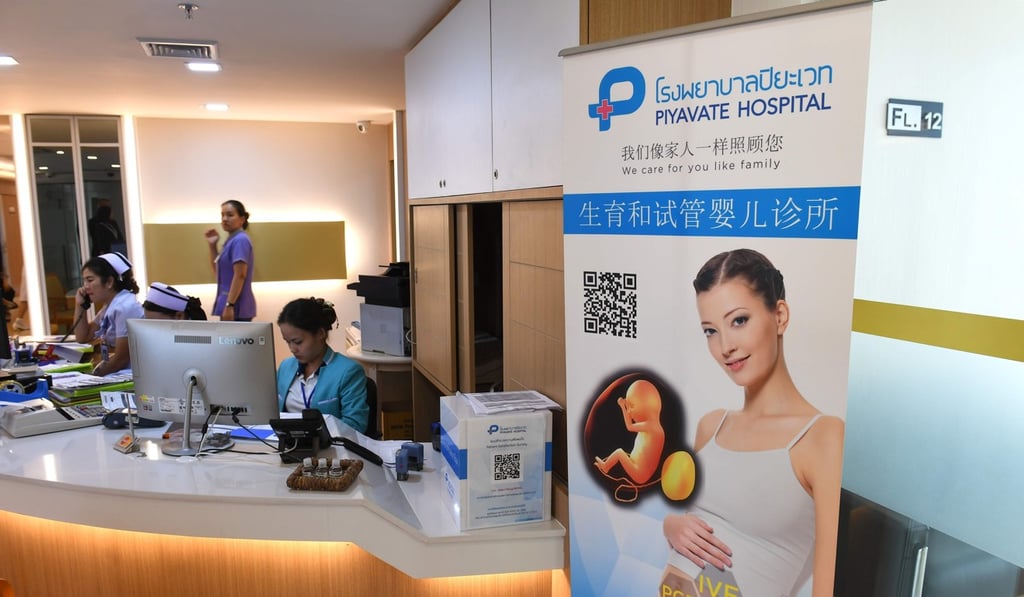
Consequently, the price for a vaccination package has spiked to as much as HK$15,000 (US$1,900), five times what Hong Kong residents pay, and some clinics have run out of the vaccine, rendering them unable to administer the full course of three injections over a 12-month period, for which many have been paid in advance.
Despite Hong Kong’s proximity to China, with its growing, and increasingly mobile, middle class, the city has not been identified as one of the region’s top destinations for medical tourists. A June 2017 report by iGate Research instead cited Thailand, India, Singapore, South Korea and Malaysia, all of which attract tourists seeking treatment from places as diverse as Argentina and Kazakhstan.
Globally, the medical tourism market is expected to grow from US$56.3 billion in 2018 to US$136.6 billion in 2023, according to a recent study by market research company Wise Guy Reports, with Asia-Pacific at the heart of the industry. The reasons behind this are growing medical costs in the US and Europe combined with increasing standards of care and access to technology in developing countries.