-
Advertisement
PostMag
Life.Culture.Discovery.
Italy
PostMagTravel

Finding the Mona Lisa’s background on a road trip into the heart of Italian culture

Heading inland from Rimini on the Adriatic coastline, La Marecchiese is a showcase of Italian flair and fare nestled in the Emilia-Romagna region, recently voted the Best Destination in Europe by Lonely Planet

Reading Time:4 minutes
Why you can trust SCMP
Pennabilli, Emilia-Romagna, Italy. Picture: Alamy
Giannella Maruzzelli

“Even if I set out to make a film about a fillet of sole, it would be about me,” Federico Fellini once said. The Academy Award-winning director of La Dolce Vita (1960) and Amarcord (1973) devoted a great deal of his art to reviving memories from his childhood, which was spent in Rimini, an old Roman town in the southeastern part of Emilia-Romagna (the region has just been designated Best Destination in Europe 2018 by Lonely Planet), on Italy’s Adriatic coast.

La Marecchiese, a 50km stretch of bitumen more formally known as the SP258, heads inland from Rimini and doubles as a concentrated thread of Italy’s very essence: its art and culture; its food and wine; its landscape and poetry. We’re embarking on a two-day trip along La Marecchiese – with a detour or two – through ancient villages in which steep alleyways lead to castles perched on rocky hills that look down into the verdant Valmarecchia and Montefeltro valleys: a landscape so affecting, a recent study has found, Leonardo da Vinci used it as the backdrop to his most famous masterpiece.
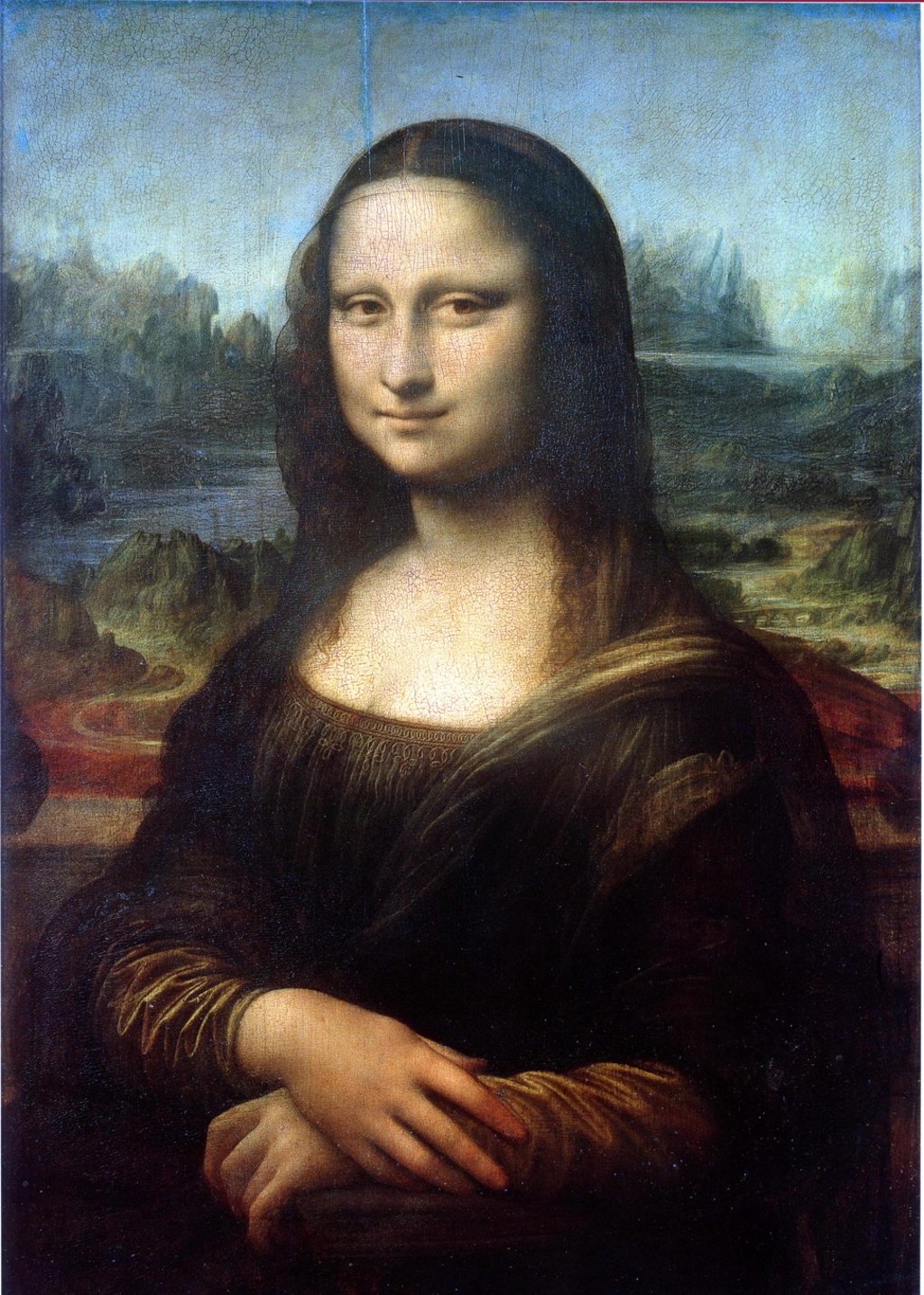
The Mona Lisa
The Mona Lisa
Three hours by train from both Milan and Rome, Rimini is where ancient history meets edgy club culture. We start with a stroll through the old town centre, from the newly restored Cinema Fulgor, where, on a cold February day in 1927, seven-year-old Federico watched his first film, sitting on papa Fellini’s lap. The interiors (redesigned by scenographer Dante Ferretti, a long-time friend of Fellini) reflect the nostalgia and drama Rimini is known for.
Advertisement

A couple of steps from the Fulgor is Piazza Ferrari, where, in 1989, gas company workers stumbled over the Surgeon’s House (Domus del Chirurgo), a well preserved second-century AD Roman villa, complete with beautiful mosaics and the most extensive collection of medical tools from the era discovered to date. Scrawled on a wall, archaeologists found the inscription “Eutyches homo bonus”, a patient’s review of the resident doctor’s work. Eutyches was, reportedly, a good operator.
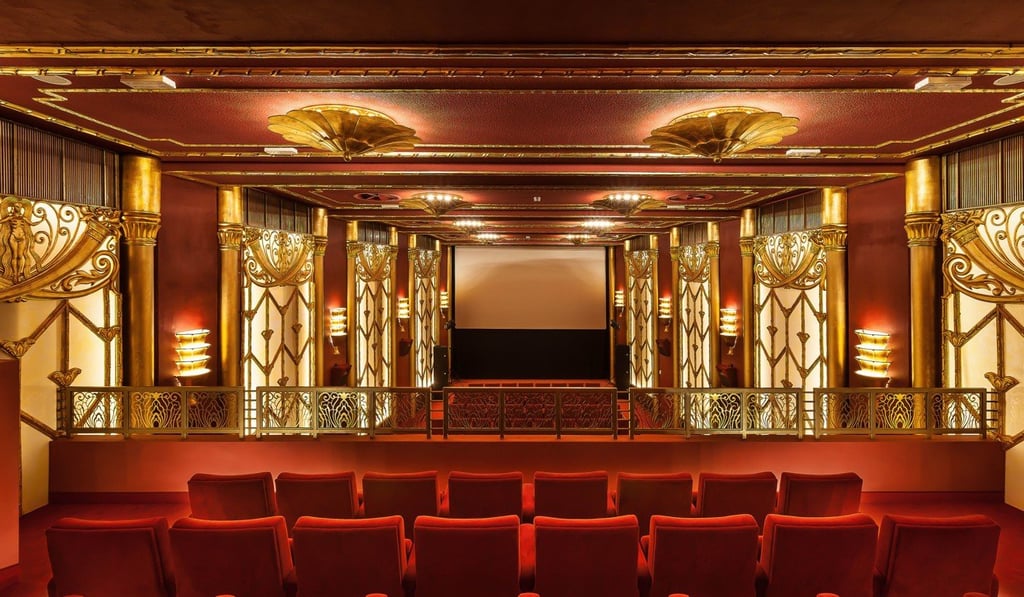
Cinema Fulgor, in Rimini.
Lunchtime in Rimini is piadina time, so we head towards the seafront and choose one of the many white-and-blue striped huts set up along the lungomare (beach promenade) in which the flatbread is cooked over a hotplate. The best of several fillings on offer is the most traditional: Parma ham, squacquerone (fresh local cheese) and rocket leaves. We follow that with a proper espresso in the luxurious setting of the nearby Grand Hotel, where, in terms of charm and glamour, the clock stopped in 1908, the year it was built.
Advertisement

As the afternoon fades into evening, the young and the fashionable flock to the waterfront, prepared for a long night, but we skip the clubbing and head inland, to Santarcangelo di Romagna.
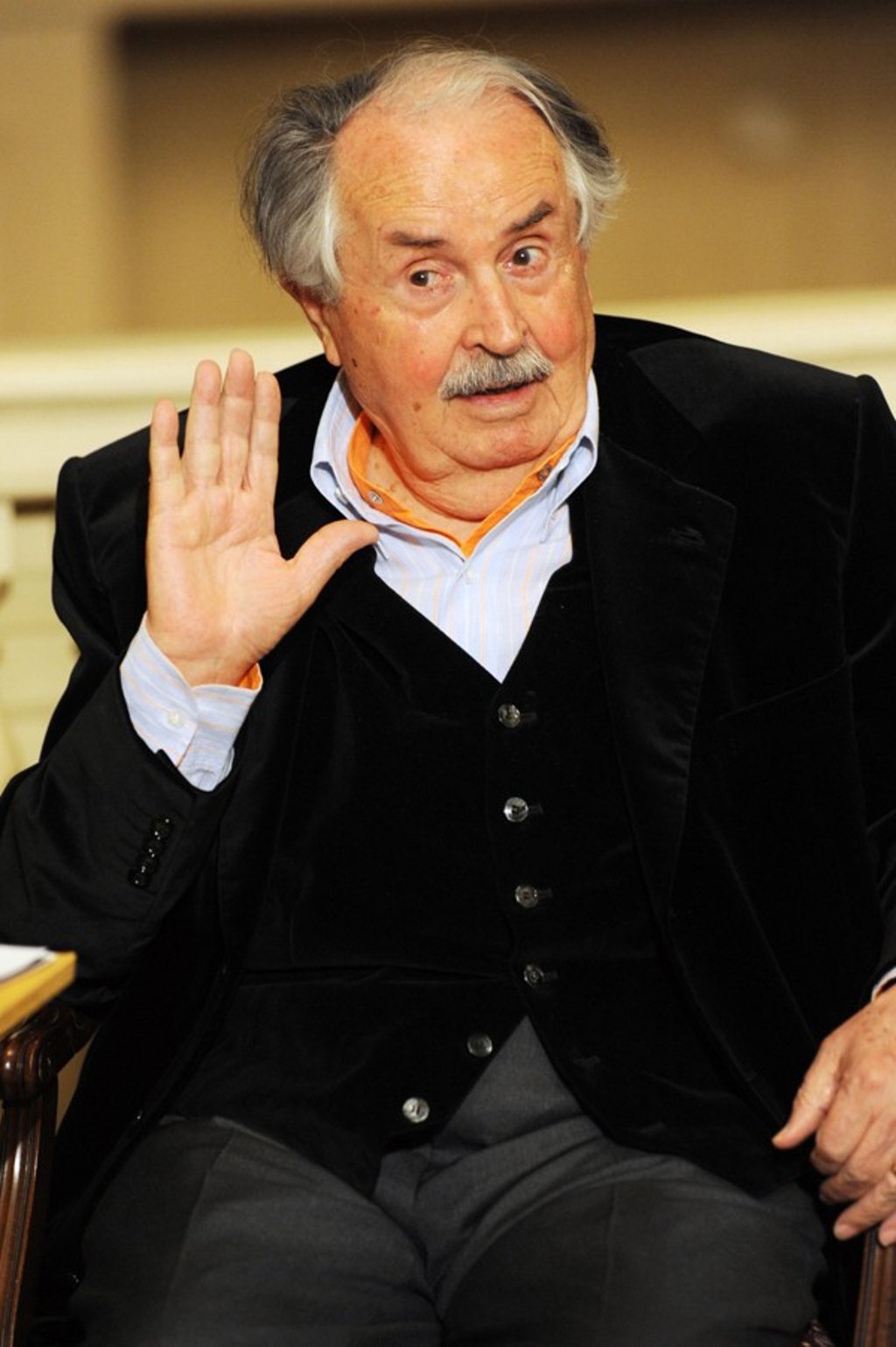
Poet and screenwriter Tonino Guerra. Picture: Alamy
The birthplace of Tonino Guerra, a poet and screenwriter much admired by Fellini and Michelangelo Antonioni, the village’s steep alleyways are crowned by the Rocca Malatestiana, a castle that is now the private domain of Princess Marina Colonna, from Naples. Climb up to it at this time of year and you’re likely to pass some of the young artists who gather from all over Europe to showcase their talents at the Santarcangelo dei Teatri contemporary performing arts festival (which started on Friday and continues until July 15). Residency programmes continue through­out the year, though the visiting artists sharing the village with the Mutoid Waste Company. Founded in London in 1980, the performance art group set up a caravan village/industrial sculpture park called Mutonia in the early 90s, on the banks of the Marecchia river, and have lived and worked here ever since.
Advertisement
Select Voice
Select Speed
1.00x