Jaipur’s new Gyan Museum provides another reason to visit India’s pink city
Probably the first private museum in the country, the Gyan exhibits the late jeweller Gyan Dhaddha’s collection of Persian rugs, royal costumes, prayer rugs and even ancient scriptures

What is it? A rarity in India – a new museum. The country is full of dusty old dives that hardly anyone, except shanghaied schoolchildren, visits. A few industrialists have constructed new buildings to house their private art collections but the Gyan Museum, in Jaipur, the capital of Rajasthan state, is perhaps the first private museum (as distinct from an art gallery) in India.
What’s different about it? New public buildings in India are almost invariably unoriginal. Everyone uses the same old materials (red sandstone in Rajasthan, yawn) and same fussy look, outside and in.
But the two brothers who own the Gyan Museum – jewellers Suresh and Arun Dhaddha – wanted something different, so they roped in old friend Paul Mathieu, a French furniture designer, who went the whole hog with the brief: make something modern.
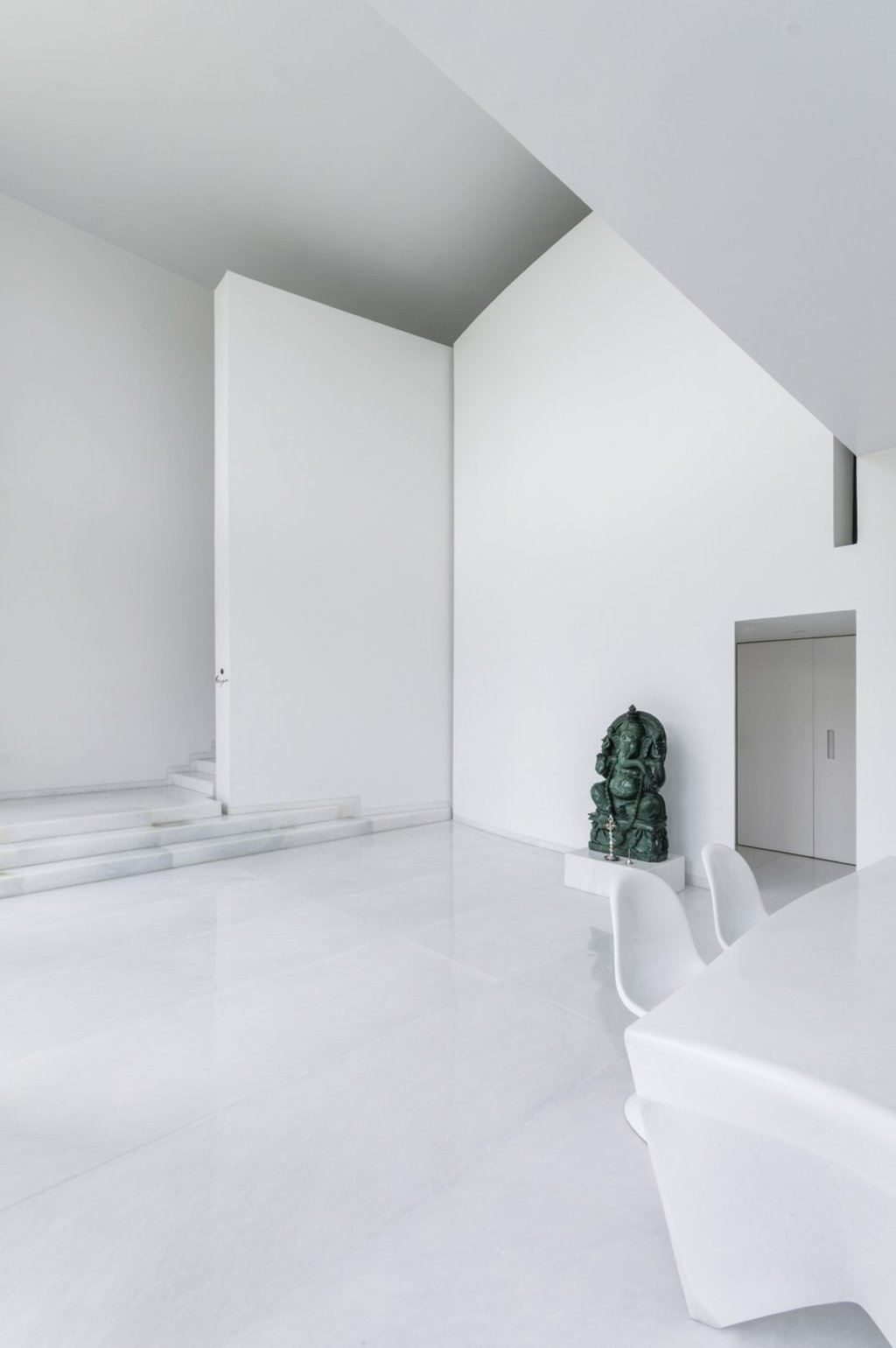
Mathieu has created a cool, grey, stark yet soothing look, the better to highlight the ornate exhibits. The items are beautifully displayed and well-lit in a circular, tranquil space. It’s compact and intimate; Zen garden rather than Indian bazaar.
What’s the backstory? The paterfamilias, Gyan Dhaddha, who ran a jewellery business, died in 2004. It turns out he was something of a hoarder and five years after his death, the brothers found cupboards and storerooms stuffed with pieces their father had collected from India and abroad over the years.
“We realised we had a huge treasure trove of items of historical significance so we decided to share it with the public by putting it on display as a way of paying homage to him,” says Arun. The collection consists of more than 2,500 works of art including Persian rugs, royal costumes and prayer rugs, ancient scriptures, Mughal-era miniatures, ancient coins, hookah mouthpieces used by maharajas, antique jewellery and Chinese jade pottery. Oh, and there is a cute spectacle collection. One old pair has string that was tied around the ears.