The good, bad and ugly sides to Caribbean cruises: excellent island-hopping, but what about the waste?
- Packed itineraries mean you don’t have to unpack, and you can wake up in a new destination every morning
- Locals rarely benefit from the swarms of tourists visiting their hometowns
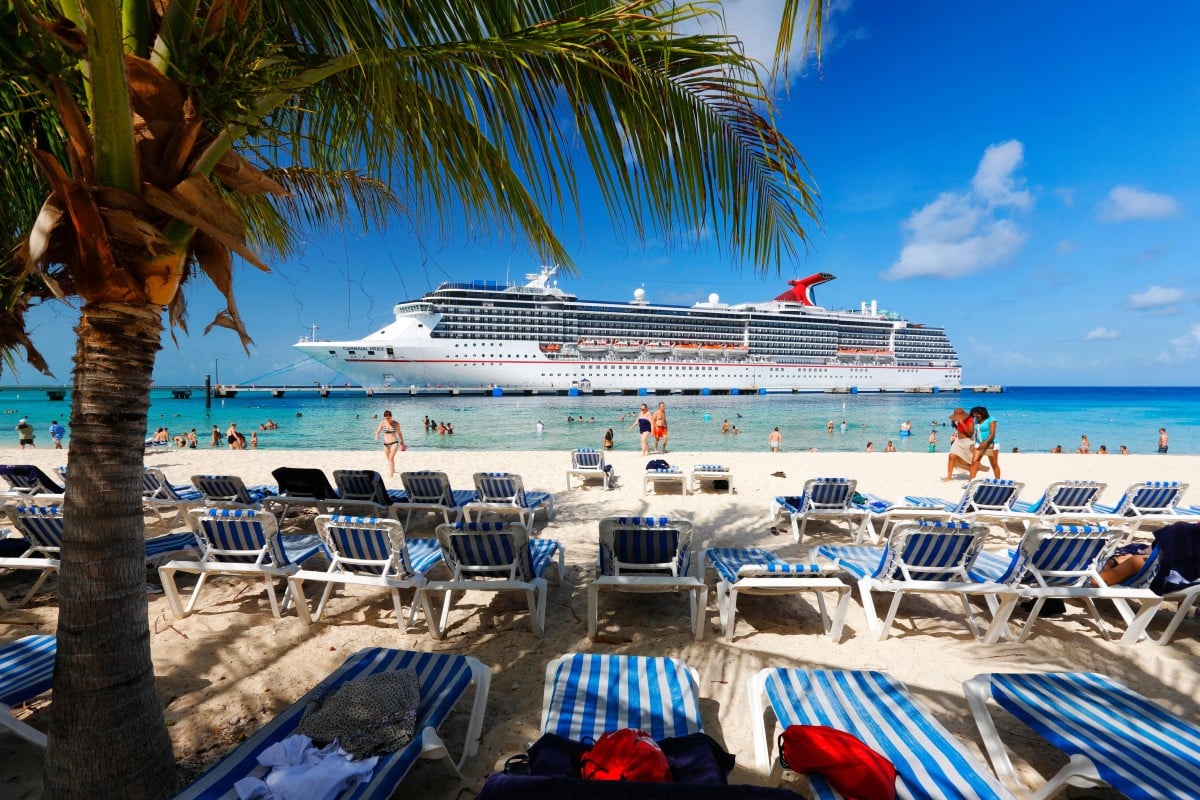
The good
Cruising is the fastest-growing sector of the tourist industry and the Caribbean is the world’s most popular cruise destination. Two dozen lines ply West Indian waters during the peak months, from December to April. Vessels range from vast floating resorts equipped with the state-of-the-art facilities to boutique boats that carry a handful of well-heeled hedonists. The Caribbean Sea covers 2.75 million sq km and ships drop anchor in at least 60 ports, usually on week-long itineraries that are divided and marketed by region.
Departing from Miami and Fort Lauderdale, in the United States, Eastern Caribbean cruises shuttle between the Bahamas, Puerto Rico and the Virgin Islands. The ports of call are conveniently clustered, enabling guests to arrive at a new destination each morning. Western Caribbean favourites include Jamaica and the Cayman Islands, as well as Mexico and Belize. Passengers signing up for the more distant Southern Caribbean loop usually fly into Barbados and might set sail for Antigua, St Lucia and the French islands of Martinique and Guadeloupe, before finishing up in Trinidad and Tobago, a hop and a skip from South America.
Caribbean cruises virtually sell themselves. During the depths of winter, who wouldn’t be tempted by the winning combination of warm weather, silky white sands and translucent turquoise seas; not to mention picturesque ports hemmed in by verdant hills and excursions to historical sites? Regular itinerary tweaks and ever more modern ships result in high repeat-booking rates, which suggest that cruise companies have got the recipe just right.
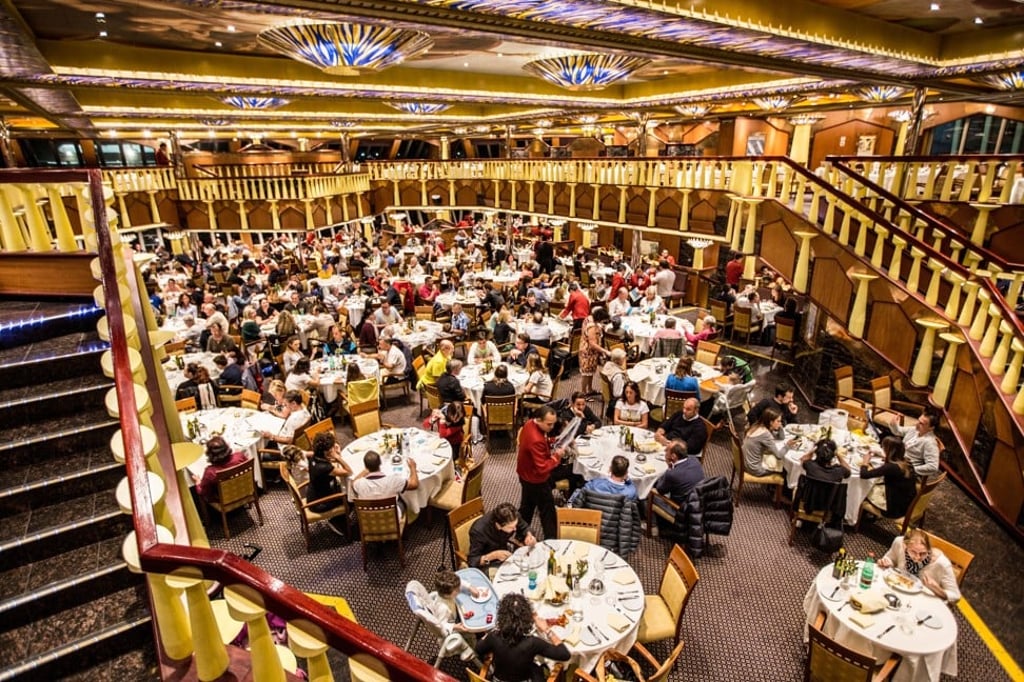
On the subject of recipes, dining is a major part of the seafaring experience, whether it’s gourmet restaurant menus created by Michelin-starred chefs or burgers at the poolside snack bar. On-board meals come thick and fast – as soon as breakfast finishes, staff begin setting the tables for lunch. But if you can’t wait that long, any number of cafes and bars will serve up pizza, bagels or pastries (accompanied by a mid-morning daiquiri) to keep you from starving.
Burning off the calories becomes a passenger preoccupation by about day three but if a traditional jog around the deck doesn’t float your boat, there are plenty of alternatives. Spend an hour or two in the gym, which is guaranteed to boast top-of-the-range equipment, sign up for salsa classes, a game of tennis or that old cruising favourite, shuffleboard. Better still, book an activity-based shore excursion such as kayaking, windsurfing or sightseeing by bicycle. Some cruise lines even lease or own private beaches where guests can zip-line, windsurf or snorkel.
If all this sounds prohibitively expensive, bear in mind that companies are increasingly targeting families and a younger, less affluent demographic (a Cruise Line International Association study found that from 2016 to 2018, the highest growth in bookings was from people aged 30 to 39). In fact a Caribbean cruise could work out less expensive than exploring the archipelago independently. Inter-island flights are pricey considering how small the distances are, hotels and food (mostly imported) don’t come cheap and you’ll need a taxi to get around most of the islands as public transport is slow and overcrowded, where it exists at all. And besides, who wants to keep packing and unpacking?