The good, bad and ugly sides to Airbnb: purveyor of accommodation and experiences
- The world-leading homestay site offers host interaction and the chance to see lesser-known areas in cities
- While horror stories might have grabbed headlines, one of the most common complaints is to do with surprise pets

The Good
Airbnb has done rather well for itself since an Indian design researcher named Amol Surve booked an inflatable mattress on a San Francisco living room floor in 2007, thus becoming the start-up’s first guest. Today, the online accommodation platform has more than five million listings in 81,000 cities, and on any given night, two million people stay in Airbnb rentals around the world. On New Year’s Eve alone, 2,574 guests stayed in castles, 1,031 in tree houses and 121 in windmills.
At least 78,000 fans booked Airbnb digs during the 2016 Rio Olympics in Brazil, and two years later, seven out of 10 foreign visitors made use of the room-sharing service at the Pyeongchang Winter Olympics in South Korea. Building dozens of hotels for one-off sports events, trade conventions or concerts is clearly impractical, and so in cities with limited hotel capacity, or where accommodation is only required for short periods, Airbnb’s flexible supply system is a godsend.
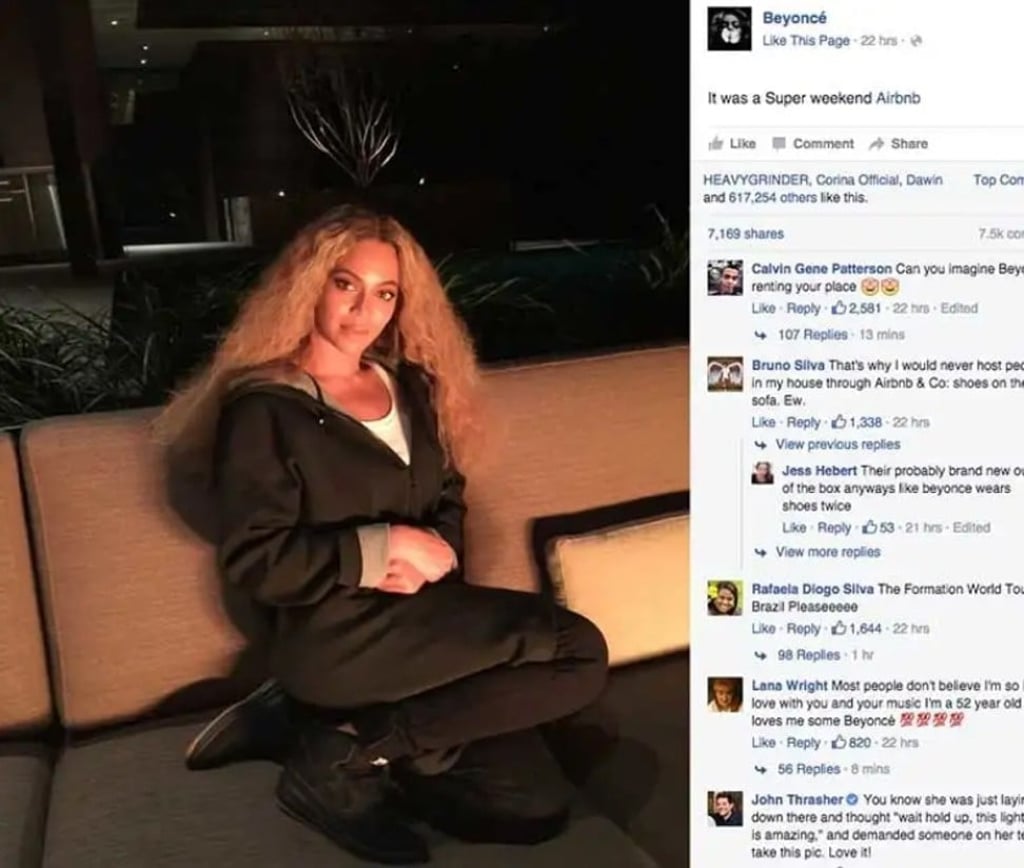
Beyoncé would no doubt agree. When the American singer performed at the 2016 Super Bowl half-time show in Santa Clara, California, she stayed at a five-bedroom Airbnb listing that cost US$10,000 a night. Lady Gaga, Mariah Carey, Justin Bieber, Gwyneth Paltrow and Rihanna are also paid-up members of Airbnb’s sharing society, but the San Francisco-based company is more than a series of statistics and celebrity influencers.
“Host-guest interaction” and “experiencing destinations like a local” rank high among the reasons for booking with Airbnb. Another plus point in these days of overtourism is that the majority of listings are outside traditional sightseeing districts, which means guests spend money with cafes, restaurants and other businesses in areas that don’t normally benefit from tourism. Then there’s the issue of affordability. Luxurious listings aside, room rates are usually lower than at hotels, and it is relatively easy to find inexpensive lodgings that cater to large groups. (Good luck searching for a reasonably priced hotel suite that will accommodate a family of eight.)
Newspapers and websites frequently publish click-friendly “Amazing Airbnb Rental” articles featuring professionally photographed houseboats and windmills, yurts and lighthouses. Instagrammable they may be, but it’s the hosts we remember long after the trip is over. The majority are thoughtful and highly proficient – and that’s before you even get to the property. Inquiry responses will be lightning fast, friendly and helpful. They realise you are likely to be tired and disoriented, might not speak the local language and will struggle to navigate a new city. They will offer to pick you up from the railway station or suggest a nearby landmark as a meeting place.
Inevitably, some hosts won’t be home when you arrive but they will text you with an entry keypad pin number, or tell you where they have hidden a spare door key. They will also send a short welcome message, which can be enough to reduce exhausted travellers to tears: “Let yourself in and make some coffee. There’s milk in the fridge, biscuits in the cupboard and the Wi-fi details are on the kitchen table. I’ll be home within an hour.”