The good, bad and ugly sides to a Route 66 road trip – where kitsch reigns supreme
- The 3,945km (2,451-mile) stretch from Chicago to Los Angeles has been immortalised countless times in song and on screen
- Today, the ‘Road of Dreams’ is littered with ghost towns and takes tacky to another level
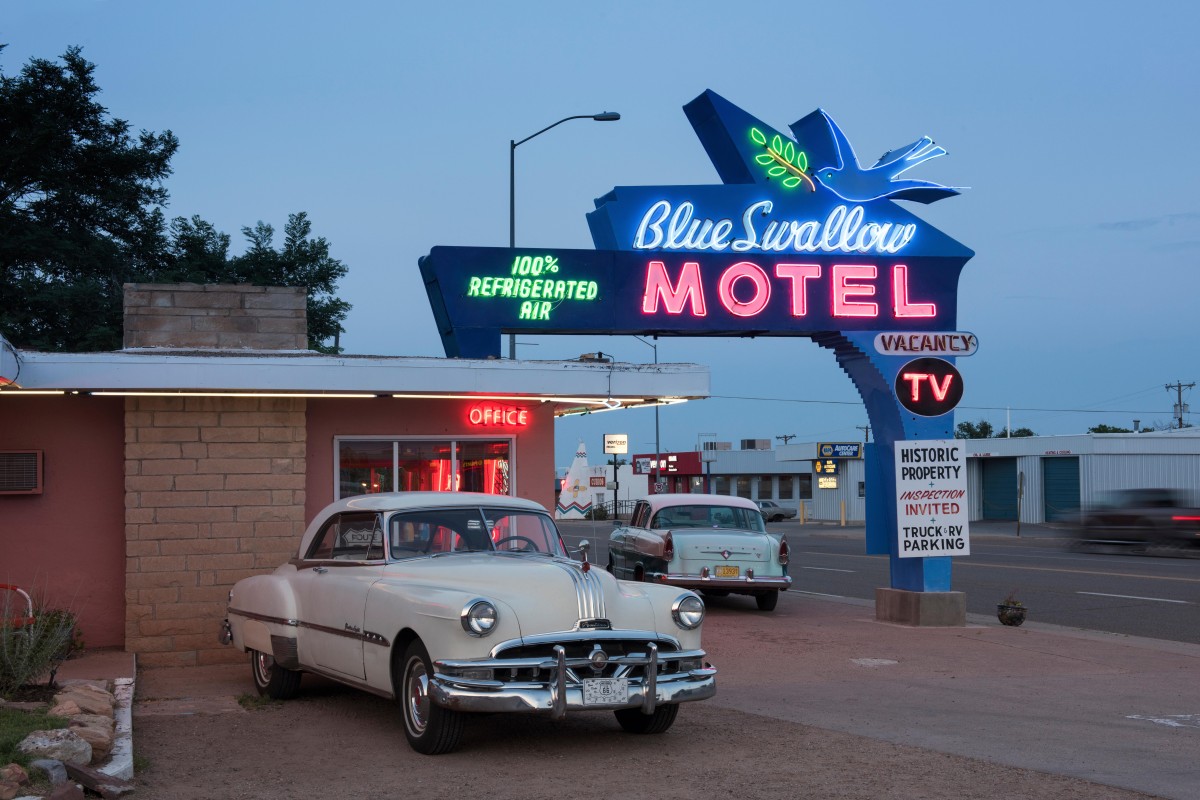
The Good
Better known than Hollywood Boulevard and more of a household name than the Champs Élysées, Route 66 is about as iconic as the Yellow Brick Road. Sadly, neither actually exists, but we’ll get to that later.
Commissioned in 1926, the legendary 3,945km (2,451-mile) stretch of asphalt connected Chicago and Los Angeles, passing through eight states (Illinois, Missouri, Kansas, Oklahoma, Texas, New Mexico, Arizona and California), and three time zones. Pieced together from pre-existing tracks, roads and historic trails, Route 66 would have been Route 62 if a Federal Highways consultant hadn’t decided that 66 had a certain ring to it.
Route 66’s status in American folklore was cemented when author John Steinbeck described it as the Mother Road in The Grapes of Wrath (1939). The classic novel recounts the westward migration of farmers bankrupted by the Great Depression and displaced by the drought-induced dust-bowl conditions that decimated the Midwest in the 1930s.
During the second world war, the fabled throughway was used to transport troops to military bases, and later by post-war Americans who hit the road in search of a better life out west. Over the years, one-horse towns developed into neon-lit pit stops offering accommodation, restaurants and places to fill up with fuel.
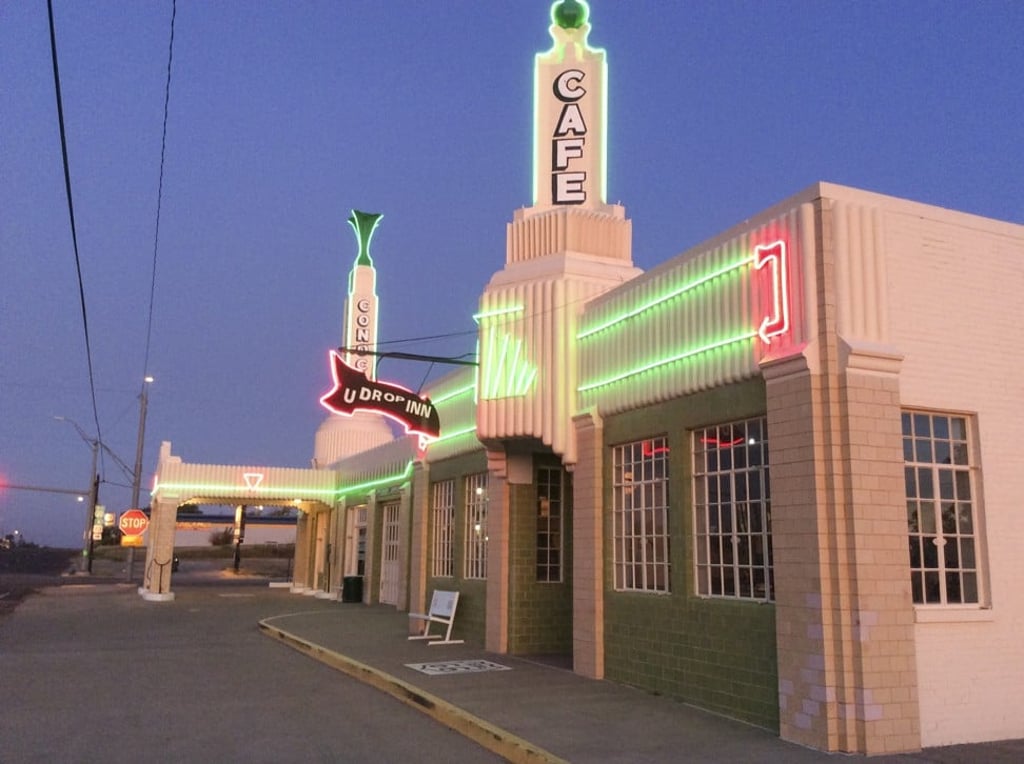
The mid-20th century is seen as a golden era for the “Road of Dreams” and is much celebrated in popular culture. Nat King Cole urged Americans to (Get Your Kicks on) Route 66; Bruce Springsteen sang about Cadillac Ranch (near Amarillo, Texas) and the Eagles name-checked Winslow, Arizona, in the song Take It Easy.