The good, bad and ugly sides of Amsterdam – Netherlands’ capital is trying to manage too many tourists
- The city has become a victim of its success and is switching from self-promotion to destination management
- A gentrification project has tackled organised crime in the Red Light District and provided incentives for upscale cafes and boutiques to move in

The Good
Numbers are a good way to get a handle on Amsterdam. There are 881,000 bicycles on the city’s streets – that’s four times the number of cars. There are more than 1,100 bars and pubs dotted around the city and you can choose from more than 200 coffee shops, although caffeine isn’t the drug of choice for most customers at these.
Amsterdam boasts 165 canals, which is more than you’ll find in Venice. Head to where Herengracht and Reguliersgracht intersect and it’s possible to see 15 of the city’s 1,281 bridges at the same time. The canal ring is a 17th century semicircle of waterways lined by merchant houses, the narrowest of which is at Singel 7. Citizens used to be taxed on the width of their property so it made sense to keep them slim. The Dutch aren’t fools, though; many of the properties were designed to be wider at the rear.
Amsterdam has more museums per square metre than any other city; Anne Frank’s House draws legions of sightseers (her diary is the most-translated Dutch book) and Vondelpark is the largest and most visited park in the Netherlands. In 2018, tourism was worth €82 billion (HK$718 billion) to the Dutch economy and accounted for about one in 13 jobs. In fact, Amsterdam has been almost too successful in its efforts to attract tourists and is now switching from self-promotion to destination management.
The recently released Perspective 2030 strategy document focuses on ways of future-proofing Amsterdam in the interests of all stakeholders, with liveability for locals a priority. For example, a community-driven “I Live Here” campaign was set up to inform tourists that the Red Light District is also home to ordinary “9-5ers”. The scheme is having some success in getting visitors to modify their behaviour by displaying photos of residents on their windows and doors.
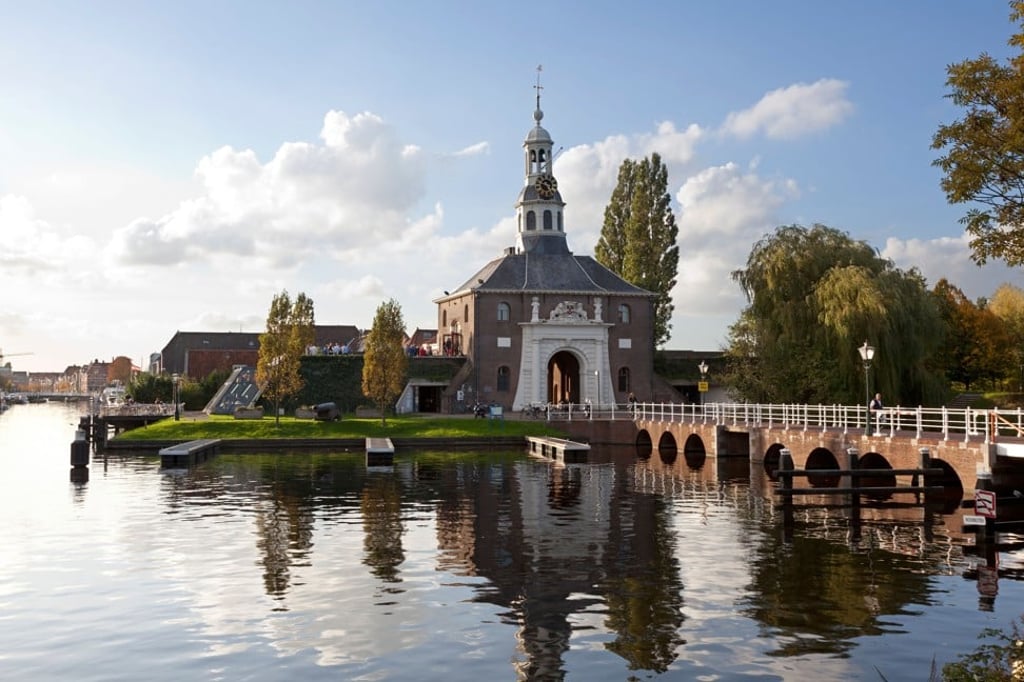
Other strategies include diverting sightseers to different areas of the country, helped in part by the Netherlands’ excellent roads and public transport infrastructure. Only 25 minutes away by train, Utrecht is known as “Little Amsterdam”, some saying the smaller city is like the Dutch capital was 40 years ago. Making up a convenient tourist triangle is the university city of Leiden. Only Amsterdam has more canals than the city in which Rembrandt was born.
Other popular destinations include Kinderdijk, to photograph world heritage windmills in a camera-friendly line, while the car-free village of Giethoorn draws tourists keen to experience “whisper” boat rides on its network of narrow waterways. (The punts are equipped with silent electric motors). And day trippers from Amsterdam shouldn’t miss Keukenhof, the Garden of Europe, where 7 million tulips, daffodils and hyacinths are planted annually.