Travellers' ChecksCebu Pacific plans to squeeze more seats into economy – bad for comfort but better for the environment?
- The Philippine airline announced it intends to fit 460 passengers in its all-economy class Airbus A330-900 airliners
- That will mean smaller seats but also a reduced per-passenger carbon footprint

One of the biggest travel-trade talking points of the recent Paris Air Show was Cebu Pacific signing a memorandum of understanding (MOU) to buy 31 Airbus planes – 16 of which will be A330-900s, with 460 seats in an all-economy configuration squeezed into each. Fellow budget airline AirAsia, by comparison, unveiled its first A330-900 (aka the A330neo) at the show, with 377 seats in two classes, while the plane’s launch customer, TAP Air Portugal, began operating with 289 seats in three classes last November.
It has been suggested that the upside of squeezing so many people onto one plane might be a reduced per-passenger carbon footprint, and it’s easy to imagine airlines using this as an excuse to crowbar ever more passengers aboard in future. Cebu Pacific’s MOU also included 10 of the A321XLR (Xtra Long Range), which was introduced at the show and is expected to take passengers back to the days of the Boeing 707 and Douglas DC-8, with cramped single-aisle long-haul flights, in about four years from now.
New books on world’s literary destinations
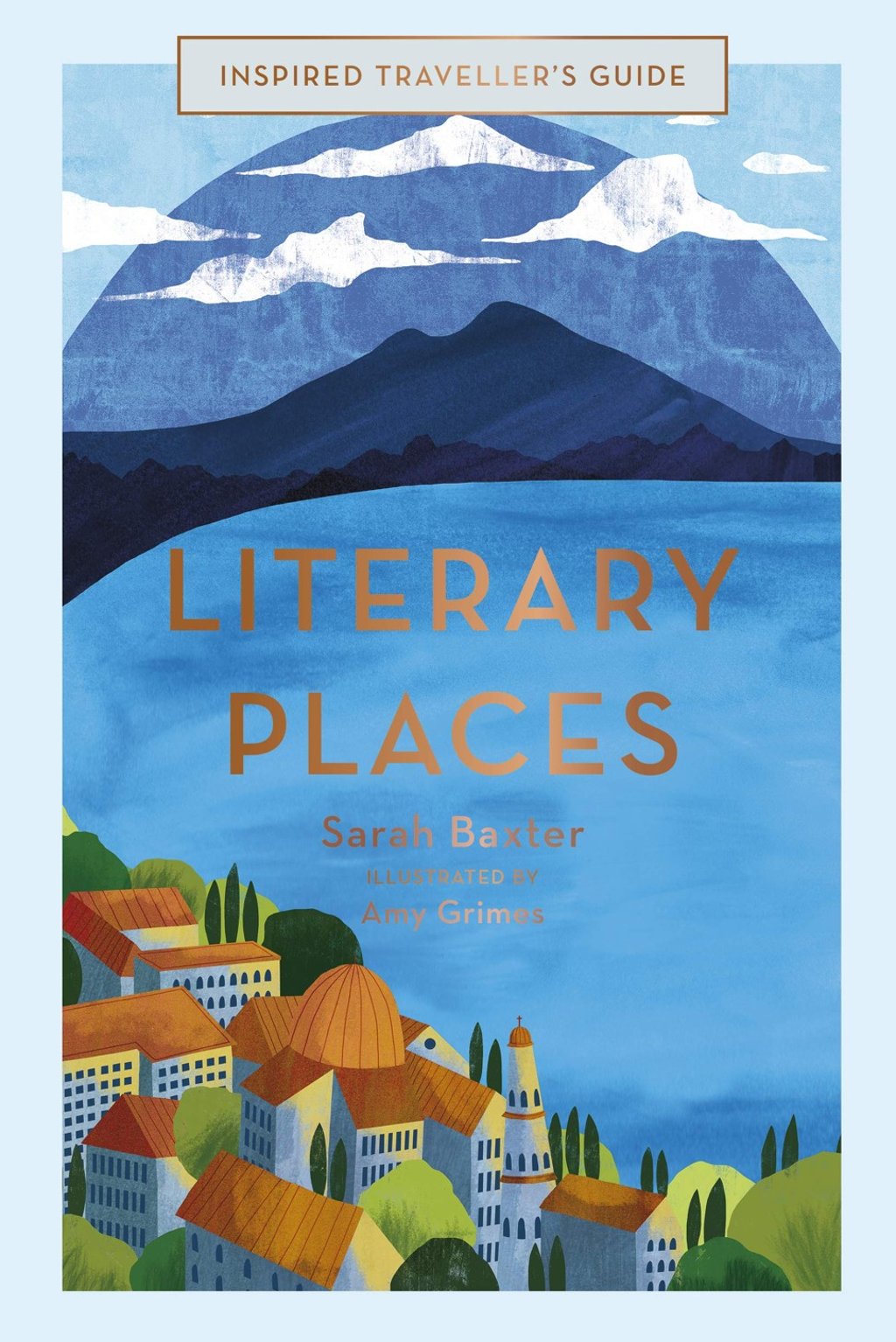
There has been a recent run of new books looking at the world through the pages of novels, their authors and characters. The most eye-catching title is Around the World in 80 Novels, by Henry Russell, which was published this month. Promising to be “full of inspirational reads that will fire your imagination and have you reaching for your suitcase”, its Asian content is quite thin compared with that of the United States (nine novels) and Britain (eight). The sole entry for China is a two-page synopsis of Pearl Buck’s The Good Earth (1931) while Southeast Asia is glossed over with a single page for Alex Garland’s The Beach (1996) and one for The Sorrow of War (1990), by Bao Ninh. Japan is slightly better served with brief explanations of Haruki Murakami’s Norwegian Wood (1987) and Kazuo Ishiguro’s An Artist of the Floating World (1986).
More substantial in content and length (232 pages vs 160 pages), though featuring a similar slant and location count, is Richard Kreitner’s Booked: A Traveler’s Guide to Literary Locations Around the World. “A practical, armchair travel guide that explores eighty of the most iconic literary locations from all over the globe that you can actually visit,” it, too, is quite light on Asia content, with only Japan and Vietnam representing its more easterly frontiers.