Advertisement
50 years after moon landing, walk in Neil Armstrong’s footsteps at Nasa’s lunar training ground in Arizona
- Flagstaff’s otherworldly legacy includes an earthbound Sea of Tranquility, blasted out of a cinder plain
- Go stargazing at Lowell Observatory, spot the astronaut in Meteor Crater and marvel at rover models
4-MIN READ4-MIN

On July 20, 1969, as Neil Armstrong began collecting samples of rock and dust a few minutes into the first moonwalk, he paused to describe the Sea of Tranquility to a rapt world.
“It has a stark beauty all its own,” he said. “It’s like much of the high desert of the United States.”
And he would have known.
Advertisement
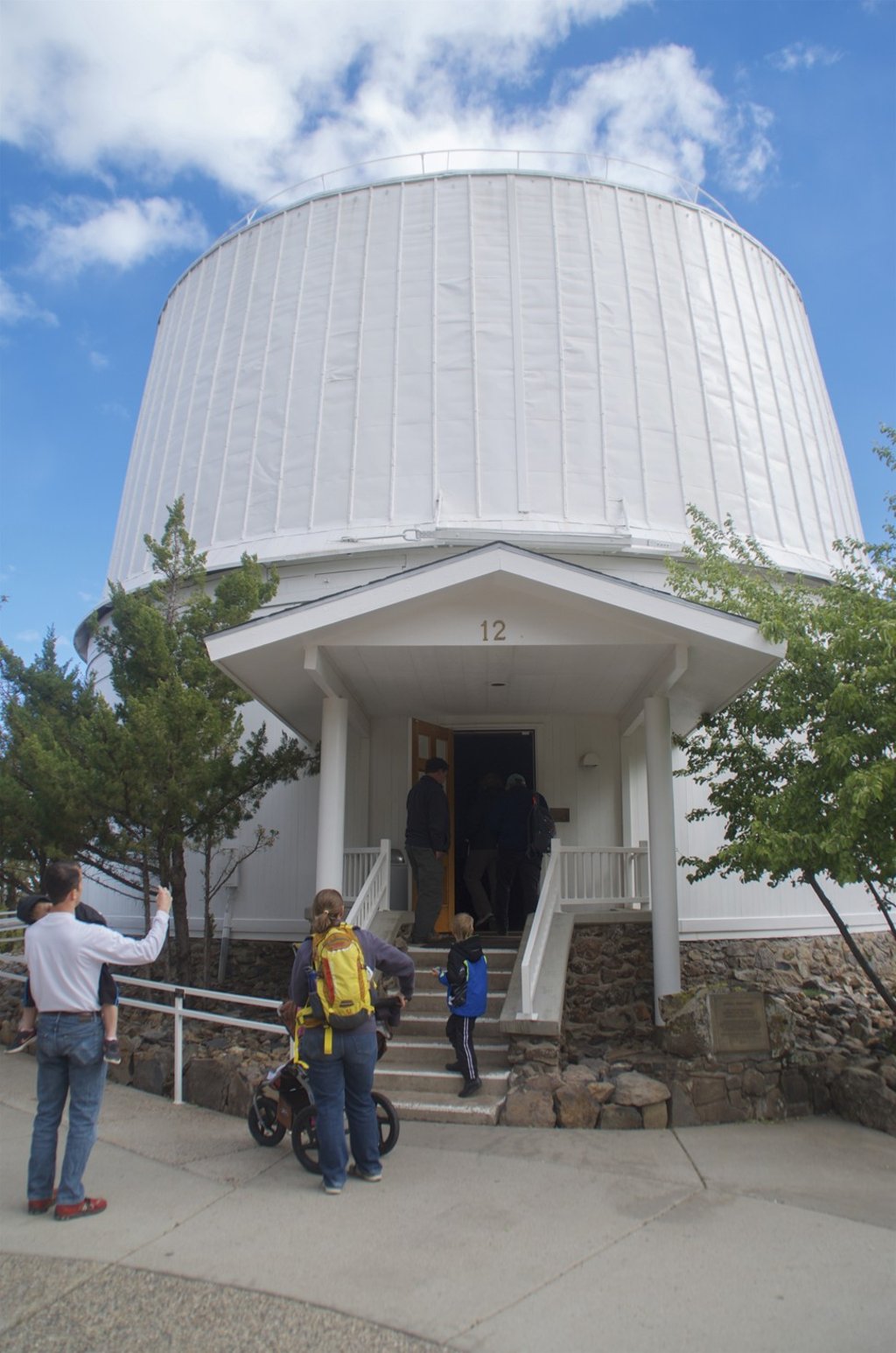
Along with his companion on the lunar surface, Buzz Aldrin, Armstrong had often visited the arid landscape around Flagstaff, in northern Arizona, which is used by Nasa as a stand-in for the lunar surface. Here the American space agency tested spacesuits in a giant crater, taught the astronauts lunar geology and put the mechanised rovers through their paces in an imitation of the Sea of Tranquility blasted from a field of cinders. Fifty years on, it’s possible to walk where the astronauts walked, and to discover how they learned to make the best use of their trip to the moon by first looking down at the ground.
Advertisement
Much research and planning for Project Apollo – the third US human space-flight programme and the first to land people on the moon, from 1969 to 1972 – took place in and around Flagstaff, a small, sleepy college town with dignified modern campuses set around a historic centre now filled with cafes and restaurants. The old station building, on the railway line that bisects the town, has been turned into a visitor information office, a life-size astronaut figure standing in one corner.
Advertisement
Select Voice
Select Speed
1.00x