
Brief EncountersWhat to do in Bagan – Myanmar’s ancient temple city is one of Asia’s architectural marvels
- The best way to experience the more than 2,000 temples and pagodas at the Unesco World Heritage Site is from the basket of a hot-air balloon
- Nearby Mount Popa, where flowers and medicinal plants sprout from rich volcanic soil, is also worth exploring

Doubtless there was a fair bit of politicking going on when the Unesco World Heritage Site bods sat down in Azerbaijan last month to decide which spots were going to make it onto the list. The good news is that – after applications spanning more than 20 years – Bagan, the 1,000-year-old archaeological theme park that’s home to 2,000 or more temples and pagodas, finally got the thumbs-up.
Where to stay
Sink a pick just about anywhere in Bagan and you’ll unearth some archaeological treasure or other. So while the hotel count has risen over the years, it hasn’t proliferated unchecked, hence the absence of the bigger brands that might otherwise be attracted to such a prominent destination. The watchword is small and (almost) perfectly formed.
What to buy
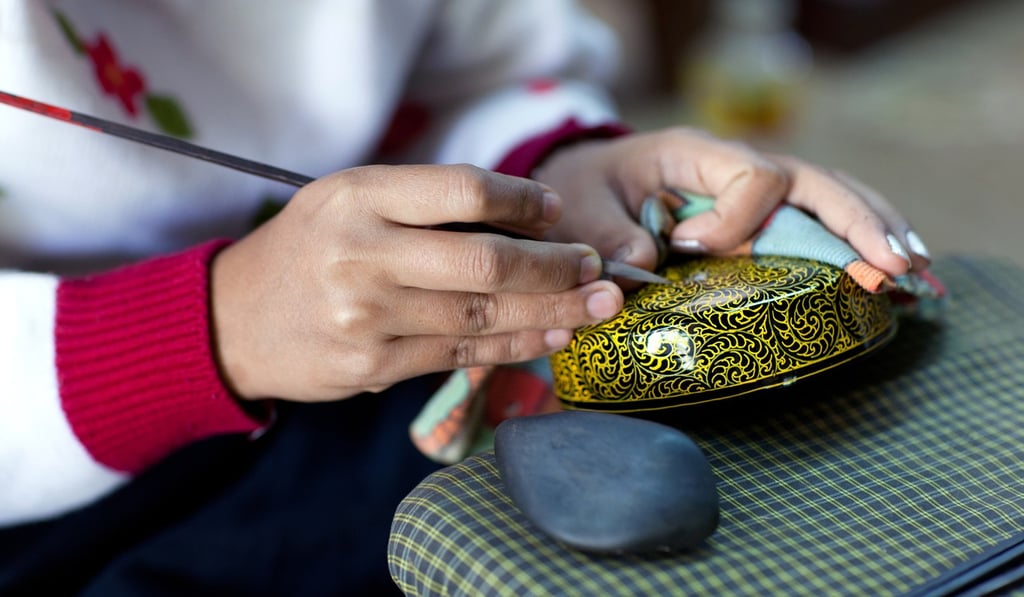
Gluta usitata is better known as the Burmese varnish tree that is the mainstay of Bagan’s lacquerware industry – once used to make everyday household objects but nowadays most often seen on souvenirs. There is no shortage of shops selling lacquerware: the rice bowl on a stem with a spired lid (called hsun ok) is the most distinctive item. Tiffin carriers (hsun gyaink) have limited practical applications – tables or screens might be a better bet. Containers shaped like pumpkins or owls are reckoned to be extra lucky. Caveat emptor: if it seems cheap, it’s probably not lacquerware.
There’s no lacquerware but lots of absolutely everything else at MBoutik, a flourishing women’s cooperative; US$16 for a hand-woven laptop bag is really just a token price.
What to eat
With influences imported from both China and India, eating in Bagan is never less than amusing. The breakfast of choice is mohinga – a rice noodle and fish broth bulked up with banana tree pith and topped with a hard-boiled egg, deep-fried vegetables and roundels of lentil batter.