Galway, Ireland: the good, bad and ugly sides to Europe’s 2020 capital of culture
- The university city knows all about the craic and its residents are officially ‘fun to hang out with’
- Even the rain can’t dampen Galwegians’ spirits, although traffic congestion and rising homelessness might
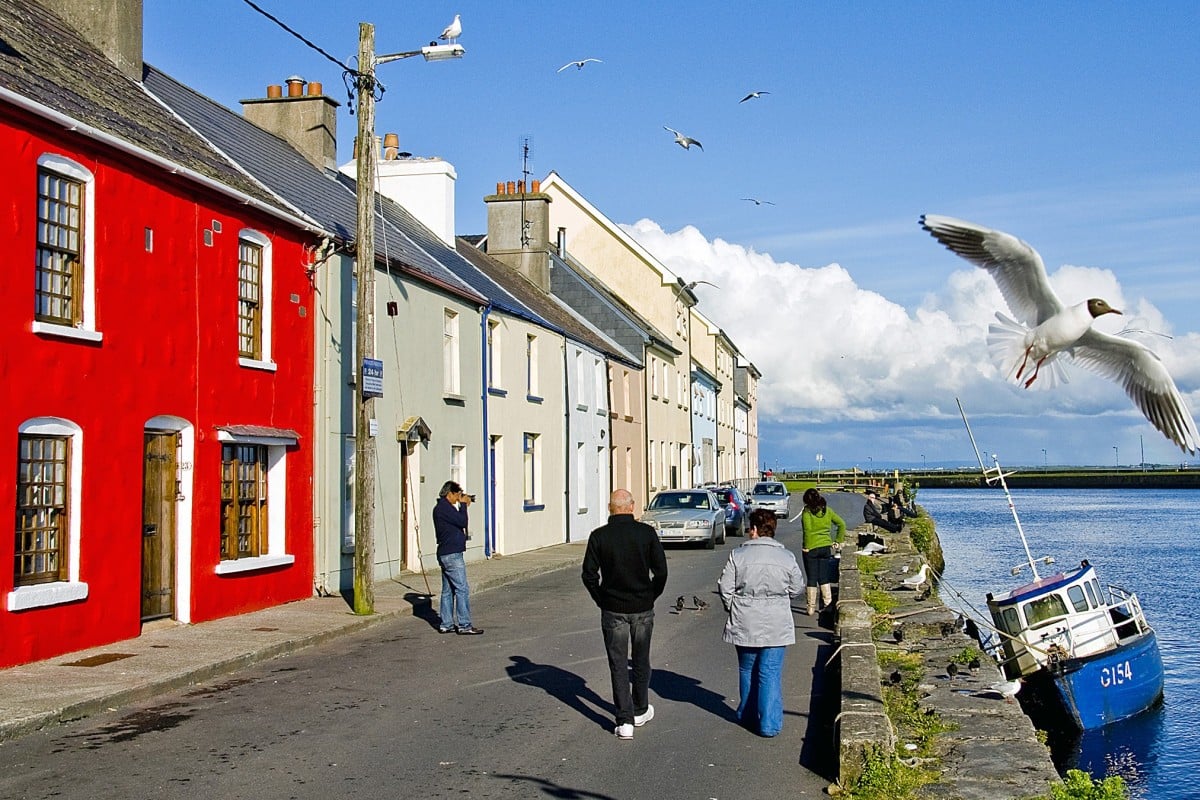
The Good
Galway is a great place to let your hair down. It may be a university city but there are enough locals with ruddy faces and bloodshot eyes to suggest students aren’t the only ones who enjoy the craic. And with so many watering holes to choose from, it’s hard to know where to start. Or when to stop.
You could devise a crawl around unpronounceable pubs such as the Sehan Ua Neachtain, Róisín Dubh and Tig Coilí, or spend an evening visiting only award-winning establishments. The Old Orchard took the prize for best local bar at the 2019 Irish Bar of the Year Awards; Blake’s Corner Bar came top in the bar food category and Lowry’s was voted best traditional bar in Ireland.
Wherever you end up, you can expect a warm welcome – Galway was ranked the world’s fifth friendliest city in Condé Nast Traveller’s 2018 reader survey. It was also rated “best for the sesh” (drinking session), while its residents were judged to be the “most fun to hang out with”, in a lighthearted poll conducted by hotel chain Jury’s Inn.
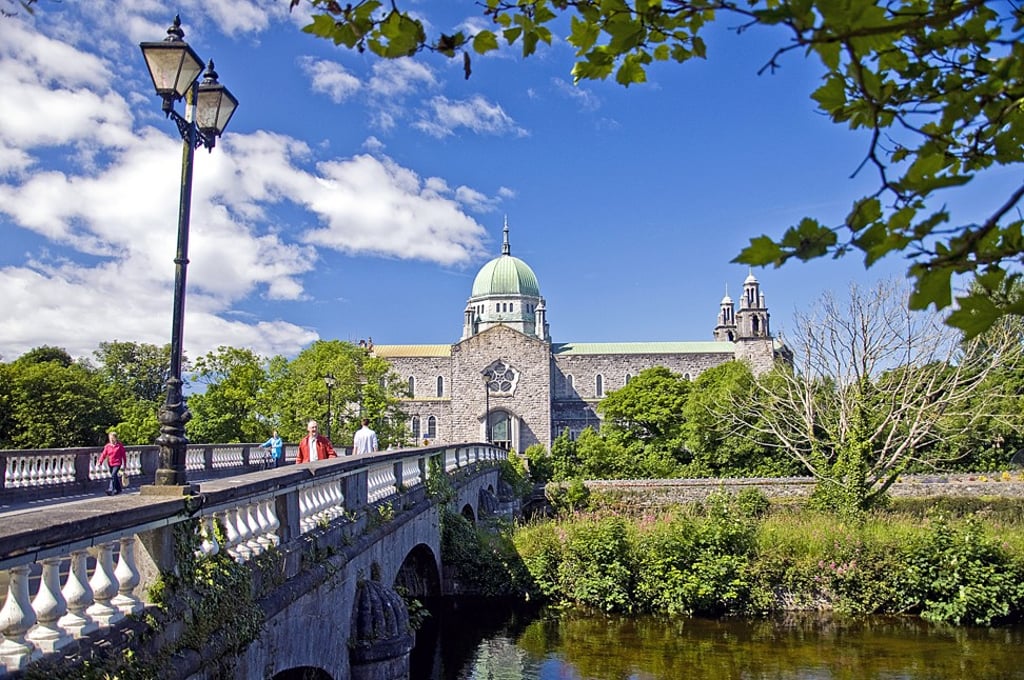
Galway is also renowned for its calendar of high-profile cultural and sporting events. The Arts Festival kicks off the season in June with a programme of theatre, dance, music, literature and comedy performances.
More than 250,000 people attend the Galway Races, the biggest and best-known horse race meeting in Ireland, which begins on the last Monday in July. And from September 27 to 29, the city takes centre stage again when it hosts the annual Oyster Festival – the most internationally recognised Irish event after St Patrick’s Day.