Six Unesco World Heritage Sites in danger of being delisted
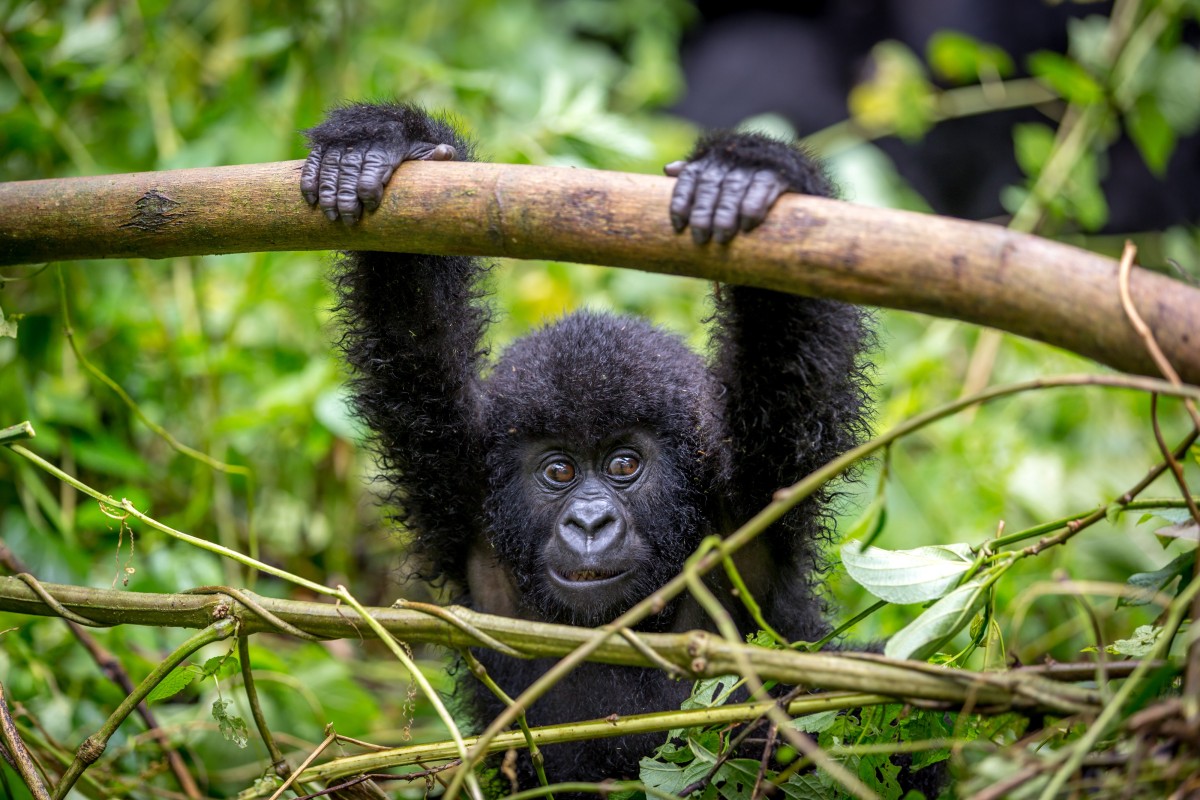
- Virunga National Park, in the Democratic Republic of the Congo, and Timbuktu, in Mali, are among those in the UN’s bad books
- Threats range from natural disasters to pollution, poaching, armed conflict and unchecked tourism development
There are currently 1,121 Unesco World Heritage Sites in 160 countries and territories. China and Italy boast the most, with 55 designations each. The United Nations Educational, Scientific and Cultural Organisation, to give the agency its full name, has been adding sites since the first list was published in 1978. This year, the temple-strewn plains of Bagan, in Myanmar, made the grade, as did that Indian architectural gem, the Pink City of Jaipur.
Earning a nod from Unesco helps create jobs, promotes local arts and crafts, encourages tourism and generates revenue. But what happens when these beauty-contest winners let themselves go?
The Galapagos Islands were selected on that original 1978 list for their value as a “living museum and showcase of evolution” but things soon started to go wrong. The fragile Ecuadorean archipelago found itself overwhelmed by cruise-ship traffic, inter-island flights and ferries. Overfishing and the unintentional introduction of invasive species such as rats (aboard those ferries) caused havoc as many of the island’s indigenous fauna hadn’t evolved to cope with predators.
With corrective action, sites can be removed from the danger list. The Church of the Nativity in Bethlehem, where Jesus may have been born, is back in Unesco’s good books after renovation work was carried out to repair and restore the roof, doors, exterior facades and mosaics. And in 2010, there was redemption for the Galapagos, thanks to significant progress by the Ecuadorean government in addressing the aforementioned problems.