Oman: the good, bad and ugly sides to the ‘Switzerland of the Gulf’ for tourists
- The crime-free Arab nation is officially home to 2016’s ‘nicest people on the planet’
- With temperatures reaching 50 degrees Celsius, make sure you pick the right time to go

The Good
Vision 2040 sets out Oman’s plan to future-proof the economy and tourism will play a central role in the long-term strategy for growth and development. It’s hoped that smitten sightseers will still be gushing years after the oil ceases to.
Oman certainly has huge potential. Firstly, there are the Omanis themselves. In 2016, they were voted the “nicest people on the planet”, but “nice” is such a bland word, so let’s go with “welcoming”, “warm-hearted” and “hospitable”. Visitors will be greeted on the streets and can expect invitations to private homes for kahwa (traditional coffee) without fearing for their safety. Crime is almost unheard of in these parts.
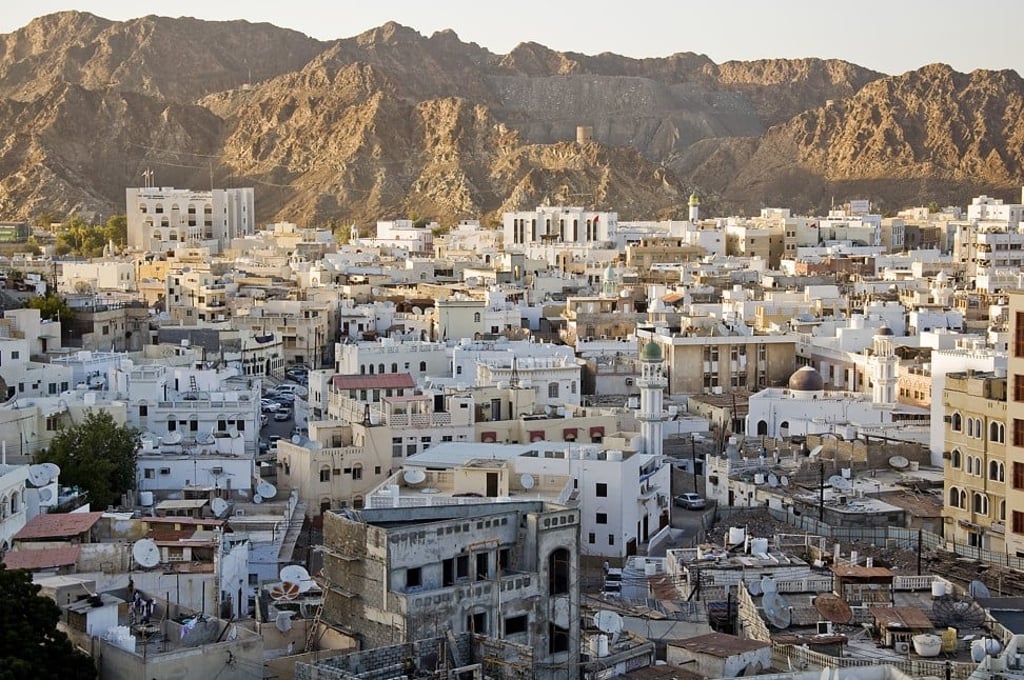
The capital, Muscat, is an easy-going introduction to the country. Local men dressed in spotless white dishdasha robes stroll along the corniche after prayers and Filipino guest workers mingle with Burmese and Bangladeshi expats. Tourists make a beeline for Muttrah Souq, a centuries-old bazaar where they haggle for ceremonial silver daggers and ornate brass coffee pots. It’s also a good place to stock up on gold, frankincense and myrrh. Well, someone you know is bound to be having a baby sooner or later.
Lacking the dazzle of Doha or Dubai, Oman has other, less glitzy tricks up its sleeve. Scenic drives through stark desert landscapes deliver visitors to honey-coloured beaches lapped by the sparkling Arabian Sea. Guidebooks and blogs include GPS coordinates to help motorists track down ancient villages in the mountainous interior and the inviting emerald waters of oases such as Wadi Damm and Wadi Bani Khalid.