Berlin: the good, bad and ugly sides to German capital for tourists
- There is an embarrassment of riches when it comes to tourist attractions, not least the excellent Christmas markets
- However, high crimes rates, filthy streets, rude locals and dismal airports have contributed to one newspaper describing the German capital as a ‘failed state’

The good
Berlin is funky, fun and fashionable. It’s Germany’s most international city, a cultural melting pot of 3.7 million people from more than 180 countries. Afghan restaurants compete for business with Turkish kebab joints and Polish delis. Bosnian DJs pump out Arab beats for Syrian refugees and retired teachers offer free German lessons to newly arrived Eritreans.
Once described as “poor but sexy”, Berlin’s low rents and thriving creative scene have lured bohemians and hipsters over the years. David Bowie lived in the city in the late 1970s, recording some of his best-loved hits there, including the 1977 cold war anthem Heroes. Nowadays start-up entrepreneurs have made Berlin Europe’s second-biggest tech hub.
The German capital has enough attractions and distractions to keep sightseers busy for weeks. Begin at the Brandenburg Gate, the 18th century triumphal arch where in 1987 United States president Ronald Reagan implored Soviet leader Mikhail Gorbachev to “tear down this wall!” Two years later, East and West Berliners celebrated the opening of the border in front of the neoclassical monument.
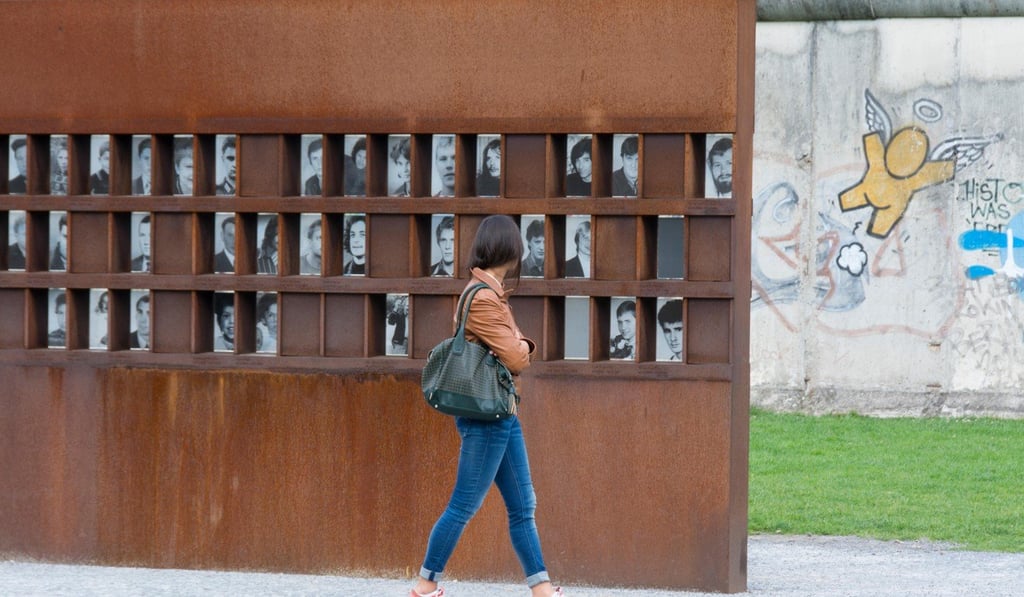
The Berlin Wall Memorial is an open-air museum that extends along what was once the border strip. It features replicas of guard towers, segments of the wall and a visitor centre, which is the starting point for walking tours. Nearby, a tunnel that was built to help East Germans escape to the West was recently opened to coincide with the 30th anniversary of the fall of the wall. History buffs should also visit the East Side Gallery. At 1.3km, it’s the longest remaining section of the concrete barrier and is now decorated in peace-themed street art.
A sign and a replica guard hut are about all that remains to indicate the location of Checkpoint Charlie, the most infamous crossing point between East and West Berlin, so head to the nearby Checkpoint Charlie Museum for a better understanding of life in the divided city. On display are photos and documents relating to escape attempts as well as exhibits such as hot-air balloons, home-made microlight aircraft and cars with secret compartments.