Visiting Sri Lanka: Galle, Hikkaduwa, Unawatuna – the good, bad and ugly sides to island’s southwest coast
- New highway offers fast access to the beaches, historic towns and blue whales of Lonely Planet’s ‘best country to visit 2019’
- While the Easter Sunday bombings are keeping tourists away, the southwest coast is safe – and will be very glad to see you
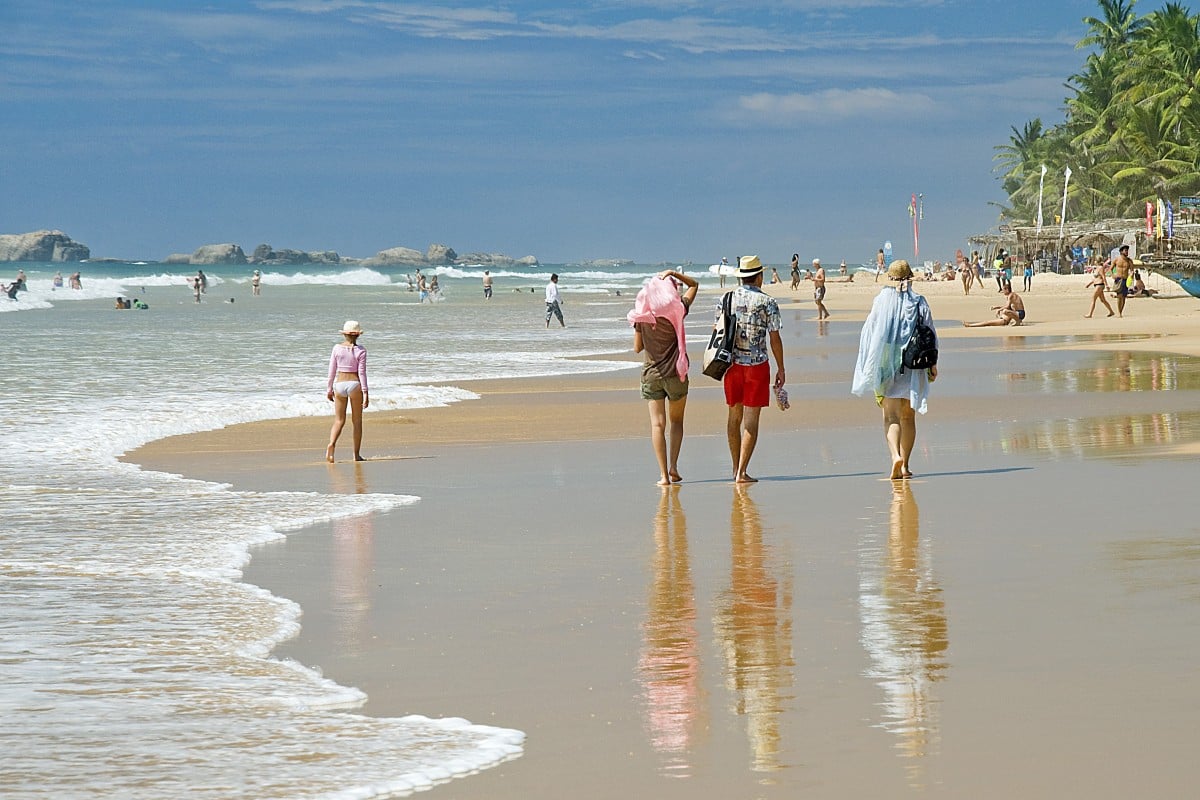
The good
When both Marco Polo and Lonely Planet sing your praises, you must be doing something right. The 13th century adventurer described Sri Lanka as the finest island of its size in all the world, while the 21st century global travel publisher named it the best country to visit in 2019. Not bad, as endorsements go.
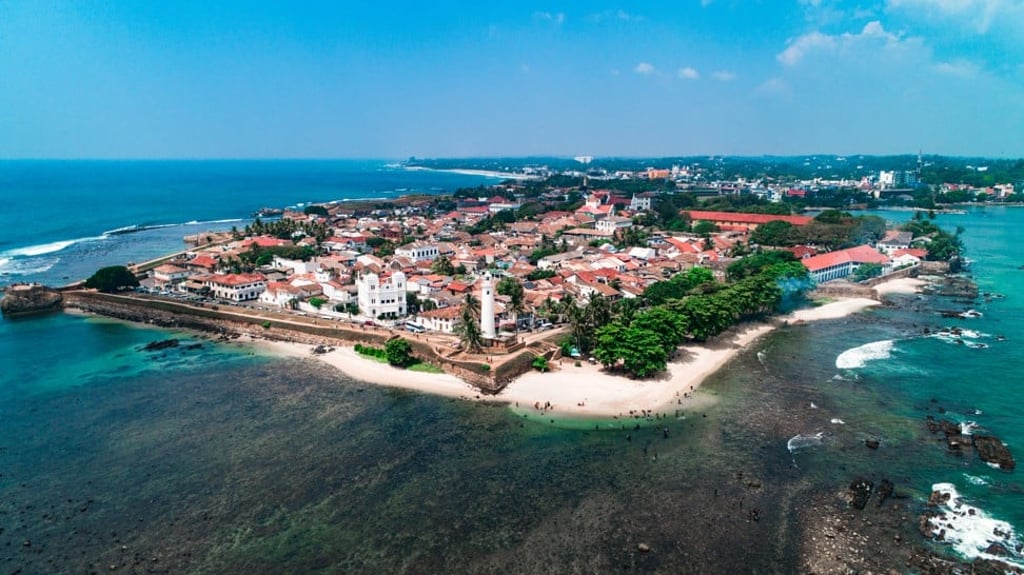
Between the two is Galle, a historic trading city (gems, spices, ivory) enclosed within a historic fort that was built by the Portuguese, reinforced by the Dutch then captured by the British. Life in the narrow streets continues much as it has for centuries. Administrative offices, courts and schools buzz with activity, churches mildew in the humidity and restaurants lure locals and tourists who have worked up an appetite by strolling the 16th century ramparts.
The beaches become quieter the further you get from Colombo. Tour buses pause at Weligama so that passengers can take photos of the stilt fishermen perched on wooden poles in the sea. A 10-minute tuk-tuk ride brings you to Mirissa, another world-class strand of sand where the main draw is whale watching. Whichever boat operator you choose, you’re almost guaranteed to catch a glimpse of blue whales, Bryde’s whales, dolphins and turtles.