
Destinations knownHow Chinese tourists have changed over the past decade – from flag followers to free spirits
- The 2010s were the decade that brought mass Chinese tourism to the world and these travellers did not fail to make an impression
- Despite not having shaken the image of busloads of boorish bumpkins, many now prefer independent exploration

In 2010, a mere 57 million travellers from the Middle Kingdom crossed the nation’s borders in search of overseas adventure. This year, the China Outbound Tourism Research Institute estimates, that number could reach 180 million, although, admittedly, the prediction was made before unrest took hold in Hong Kong and while “patriotic” (read: domestic) tourism was being promoted to help boost a slowing economy. Still, an additional 120 million-plus people – roughly equivalent to the population of Japan – on the move internationally in 10 years is not to be sniffed it.
However, as the Chinese soon discovered, a larger crowd does not a warm reception make – especially when descending en masse from a convoy of coaches. It did not take long for the image of busloads of boorish bumpkins to take root, destinations holding their nose as what would become the world’s largest tourist market disembarked.
Except, that image isn’t exactly fair. Yes, group travel was the dominant force at the dawn of the decade, popular for its convenience and cost in a nation known for restrictions on independent adventurers – but as early as 2013, travel media company Skift was reporting on the growing trend of solo sightseers. Data from the China National Tourism Administration backed this up; of the 20 million mainland Chinese who left home to go anywhere but Hong Kong or Macau on holiday in 2011, 37 per cent struck off on their own.
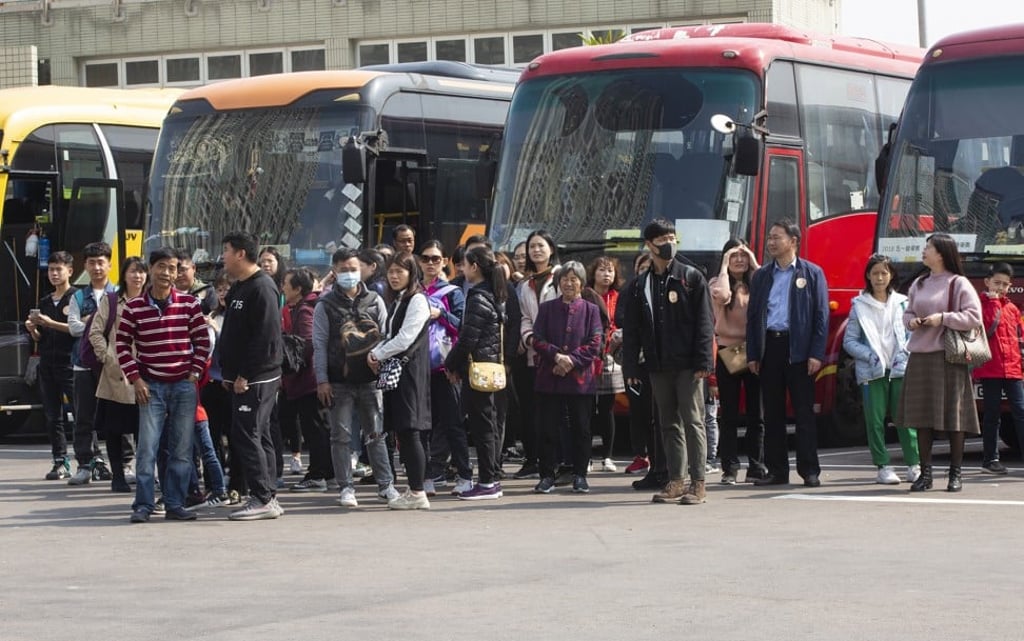
“The new Chinese tourist is increasingly independent and demanding of more unique and authentic experiences when they travel,” reported Skift, in a study called “Rise of the Chinese Independent traveller”, finding that this “new” type of traveller was younger, richer, more educated, better connected, more sophisticated, demanding, indulgent and a planner who was keen to stay in one place for longer than a gruelling group schedule would allow. They were Chinese millennials, identified by management consulting firm McKinsey as Generation 2, or G2, and born after the mid-1980s.