Inside Rome’s Capuchin crypt, a macabre attraction that is home to the skeletal remains of monks
- A short stroll from the Trevi Fountain, the ossuary contains the remains of 4,000 people, arranged into strange artworks
- The Marquis de Sade, who knew a thing or two about self-mortification, wrote that he had never seen anything more impressive
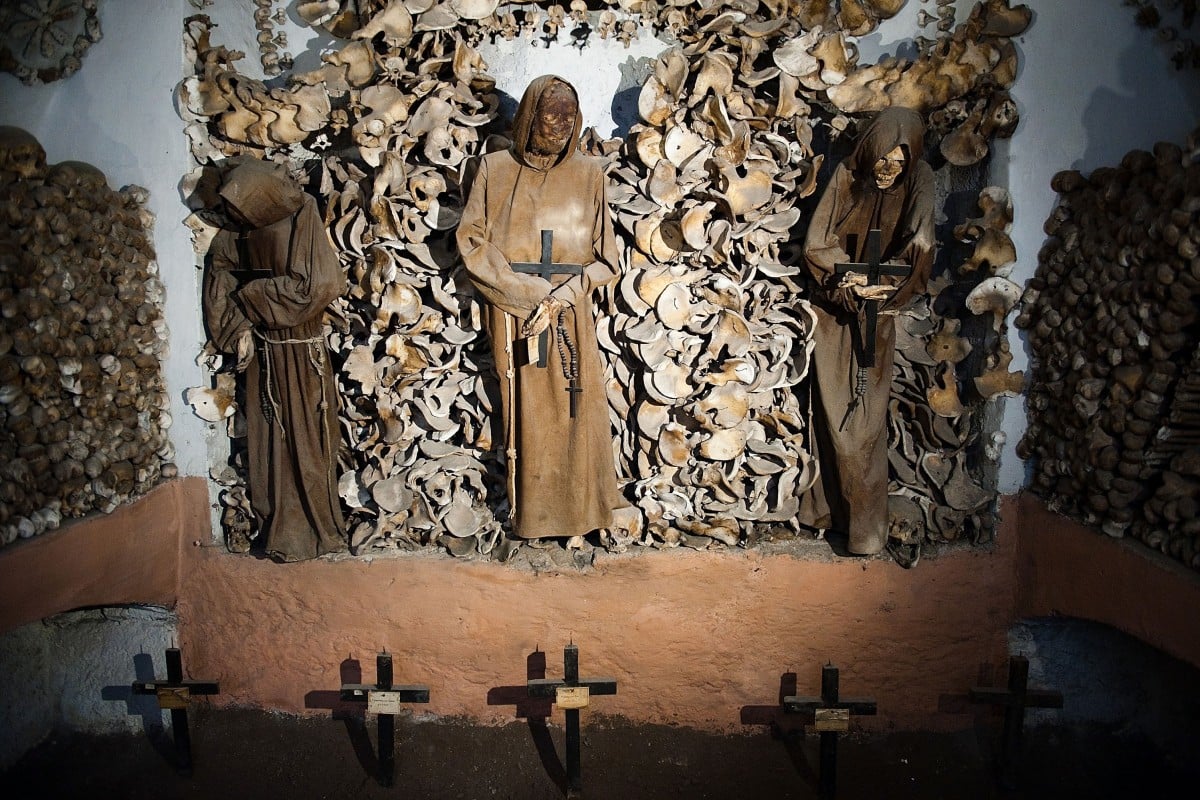
Rome is full of religious sites, what’s so special about this one? It displays the skeletal remains of about 4,000 people.
Oh, like the catacombs?Contrary to popular belief, Rome’s catacombs, out in the suburbs, contain no bones. The Capuchin crypt, however, is an ossuary and it’s also convenient. On Via Veneto, 10 minutes’ stroll from the shrieking hordes at the Trevi Fountain, you can stand in silent contemplation of an astonishing tribute to human mortality and creativity.
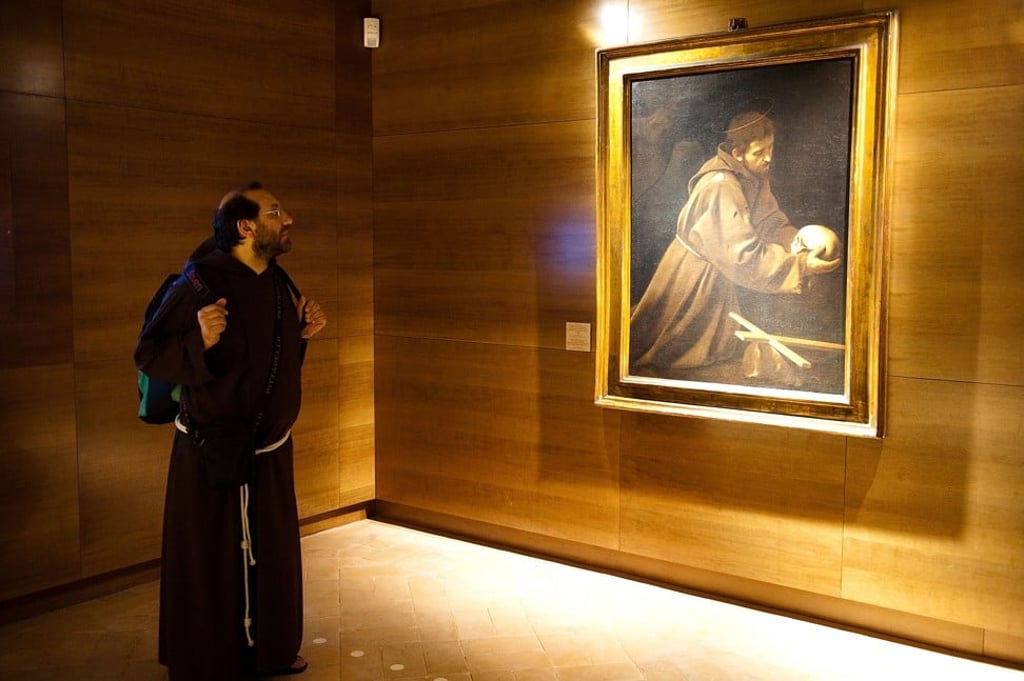
Will I need a stiff drink beforehand? You might want a cappuccino. The colour of the Capuchin friars’ hoods (cappuccio), which are a rich coffee colour, gave the beverage its name. The history of the Catholic order is explained in the museum, next to the church of Santa Maria della Concezione dei Cappuccini. Most people hurry through to the main attraction but the museum has its own macabre flavour, including tools of self-mortification.
Is that how the friars died? Probably not but who knows? When the monks moved to the current site, in the 17th century, they disinterred their dead brethren from their previous home and took them along. This seems to have started a trend: those bones were put on display and, as the new burial spaces filled up with corpses, older skeletons were exhumed to leave more room. (Hong Kong readers, used to overcrowded cemeteries, will be familiar with this routine.)
The practice stopped in the 19th century, when Rome forbade burials within the city walls. By then, the crypt had evolved into a strange artwork. In 1775, the Marquis de Sade, a man who knew a thing or two about self-mortification, wrote that he had never seen anything more impressive.
In 1867, Mark Twain popped in and was similarly stunned. He had a guided tour with a monk who casually picked up skulls and femurs and told their life stories (“as grotesque a performance, and as ghastly, as any I have witnessed”, Twain wrote in The Innocents Abroad; 1869).