The Mekong: the good, bad and ugly sides to the ‘Danube of the East’
- The world’s 12th longest river flows through China, Myanmar, Thailand, Laos, Cambodia and Vietnam, supporting a population of 70 million
- Drought, rising sea levels and a rush to build dams are threatening the livelihoods of those who rely on the river to survive

The good
From its source high in the Himalayas, the “Danube of the East” slices through six countries, providing food, water and livelihoods for more than 70 million people before eventually emptying into the South China Sea.
Large stretches of the waterway are unnavigable, but there are plenty of places where riverboat tourism is booming. You could book an overnight cruise aboard a converted rice barge or the two-day slow boat from Thailand to Laos. Sign up for a speedboat expedition or a sightseeing canoe tour through countryside framed with emerald paddy fields. Many of the trips incorporate shore excursions enlivened by cultural performances in villages and visits to riverbank temples, pagodas and statues.
The Mekong isn’t only about rural experiences, though. A number of towns and cities, many popular with tourists, line the Mekong.
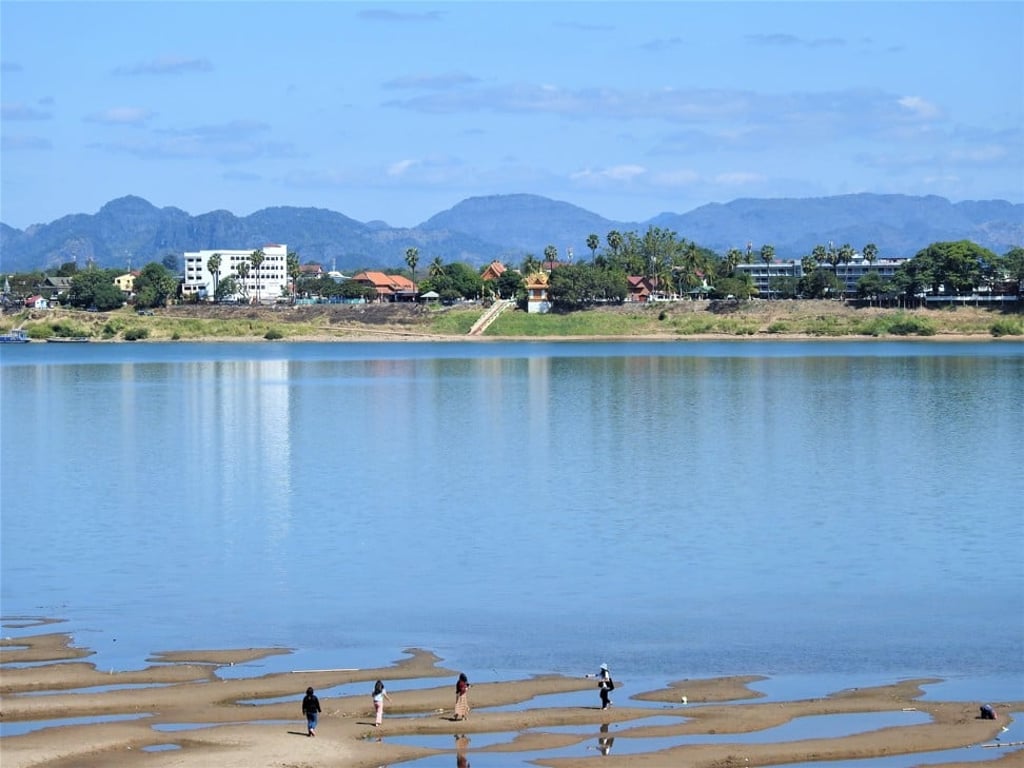
Jinghong, in the tropical Chinese region of Xishuangbanna, is home to 13 ethnic groups (and dozens of languages) while the city of Luang Prabang, in Laos, is an enchanting blend of Buddhist and French colonial heritage. The river takes on an inviting shade of aquamarine as it flows past the Thai town of Nakhon Phanom and, on the border between Laos and Cambodia, lies Si Phan Don, or Four Thousand Islands. The beauty spot sneaks under the tourist radar but rewards those who make the effort to reach the remote location with a series of roaring waterfalls, secluded swimming holes and sandy beaches.
Boats can be hired to explore the islands and for Irrawaddy dolphin-watching tours. Despite being critically endangered, 13 dolphin births were recorded in Cambodia last year.