Cash cows or white elephants? Only time will tell with these ambitious tourism projects
- Elephant hunting in Botswana and Indonesia’s ‘10 new Balis’ scheme are both designed to attract additional visitors
- However, will these initiatives could turn out to be good news for the destinations they’re supposed to serve?

Only time will tell if the following ideas and enterprises were inspired decisions or poor judgment.
Mount Kilimanjaro cable car
Some climbers believe that being able to summit the world’s highest free-standing mountain in minutes will detract from the sense of achievement that comes from spending a week hiking through dense rainforest, moorland, alpine desert and arctic ice cap. In response, the Tanzanian Tourism Ministry points out that it would enable less physically fit and older visitors to enjoy the soaring views. They also note that cable cars are a popular means of transport at other sightseeing destinations, such as South Africa’s Table Mountain and China’s Great Wall.
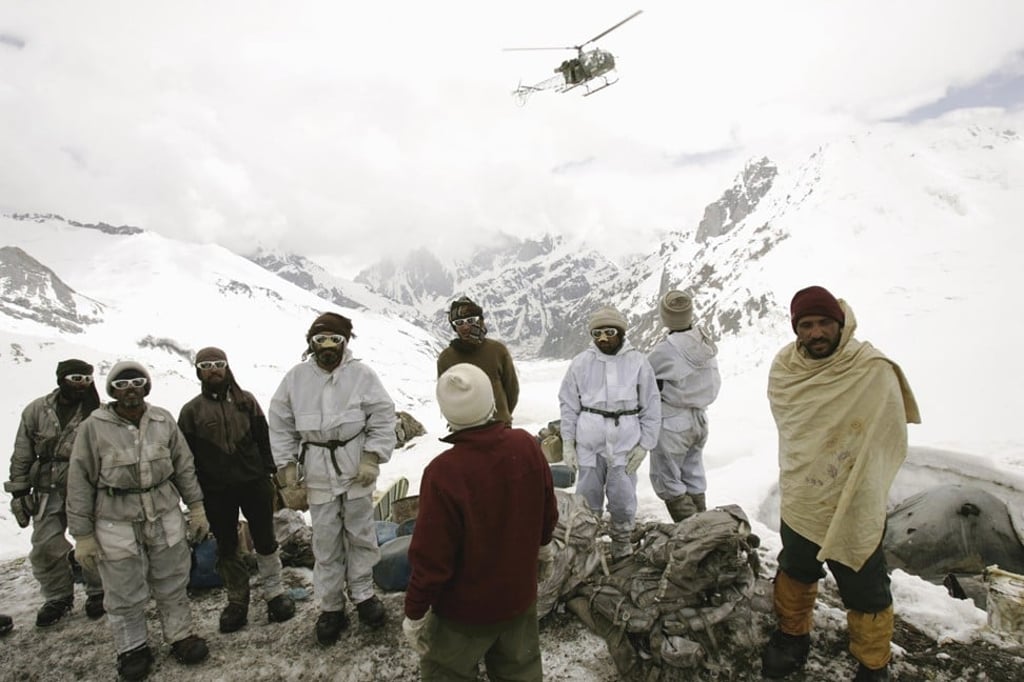
Siachen Glacier opens to tourists
Scene of a long-running military conflict between India and Pakistan, the Siachen Glacier region, in the Karakoram Range of the Himalayas, opened to tourists recently. Currently subject to a ceasefire agreement, the world’s highest battlefield (5,400 metres) has seen the deaths of at least 2,700 troops, usually due to harsh weather, crevasse falls and altitude sickness rather than as a result of combat. (In 2012, 140 soldiers of Pakistan’s Northern Light Infantry perished after being buried in an avalanche.)