The swimsuit named for an atomic test site, and other familiar things named after less familiar places
- The following words are probably in your vocabulary, but you might not realise they’re named after places
- From badminton to denim and the Manila envelope, the geographical origins of everyday items
Bikini
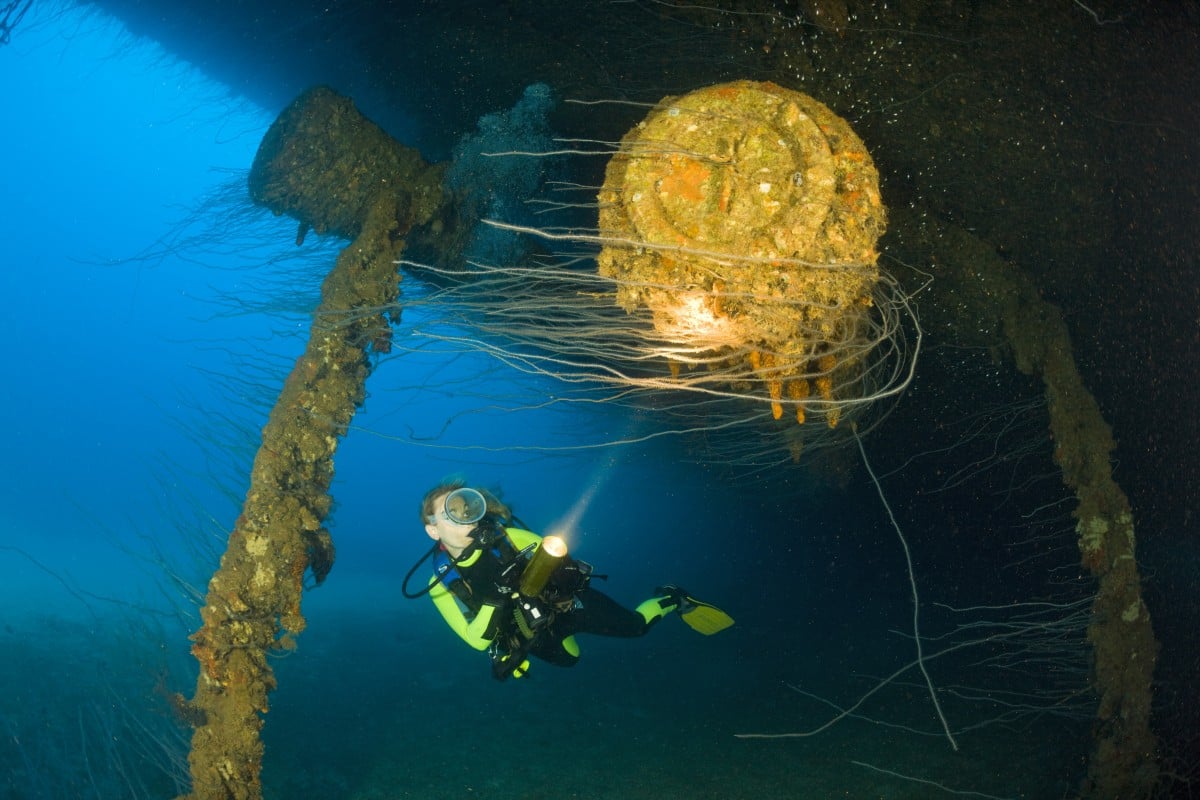
The two-piece swimsuit takes its name from Bikini Atoll, in the Marshall Islands, location of 23 nuclear weapon tests conducted by the United States from 1946 to 1958. The bathing costume is supposedly named for the explosive effect its French inventor claimed it would have on society.
The Pacific Ocean islands are still contaminated with radiation and considered unfit for human habitation but are deemed safe for scuba-diving trips. Bikini Lagoon is the final resting place for a fleet of US ships sunk during the tests, including the USS Saratoga, one of the largest diveable wrecks in the world. Thrill-seeking underwater explorers should note, however, that soil samples taken from Bikini and Enewetak atolls in 2015 recorded plutonium levels 10 times higher than those in the Chernobyl exclusion zone.
Denim
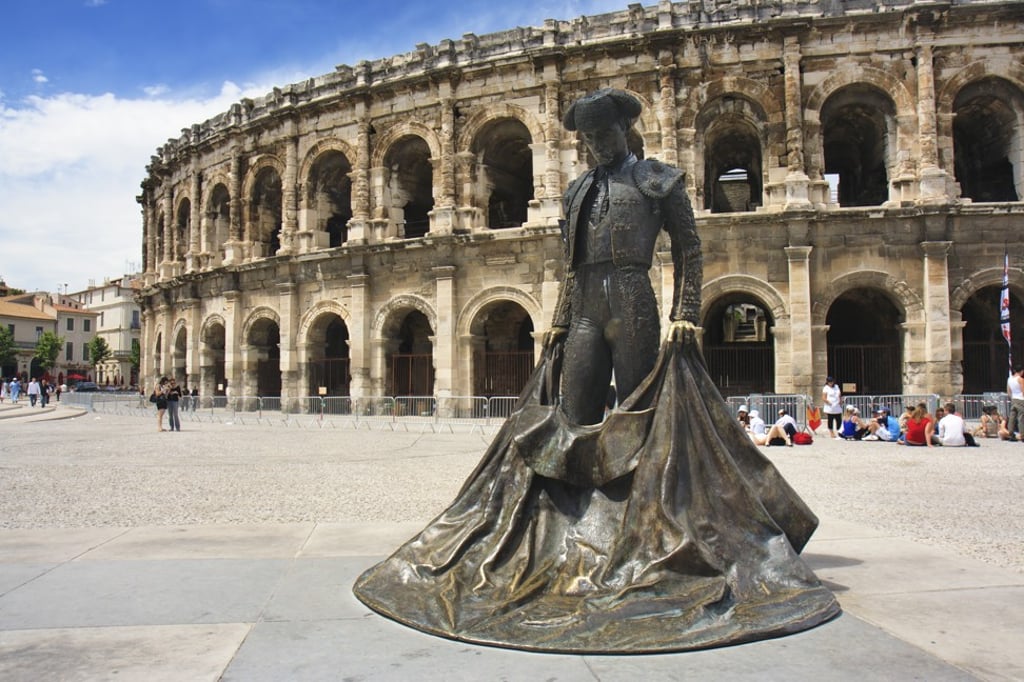
The clothing exhibition at the Museum of Old Nîmes seems an odd addition until you discover that hard-wearing serge de Nîmes fabric was invented in the southern French city. It would go on to gain global popularity thanks to American Levi Strauss, who fashioned the material into copper riveted jeans in 1871. A coarse cotton precursor to denim had been used in Dongri, India, since the 17th century to make sturdy working clothes such as the bib overalls we know as dungarees.
Known as the Rome of France, Nîmes boasts a number of antiquities, including a two-tiered amphitheatre, the perfectly preserved Maison Carrée temple and the nearby Pont du Gard aqueduct.
Badminton
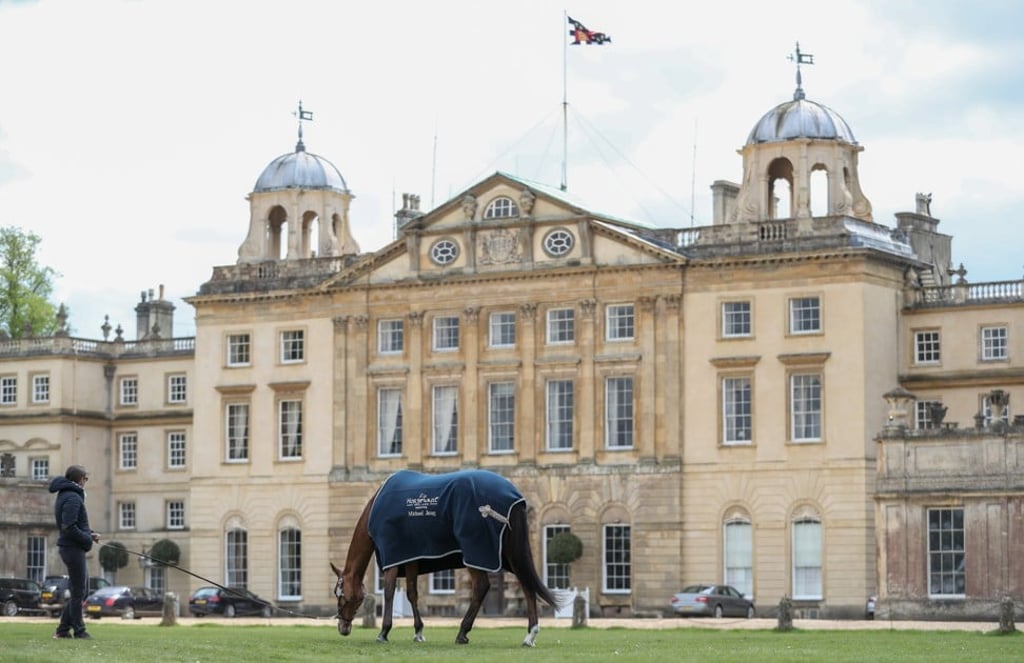
Racquet-based sports have been around for thousands of years, played everywhere from Greece to China, but it was at Badminton House, in Gloucestershire, England, that the rules were formalised. Guests played the game at an 1873 lawn party thrown by the Duke of Beaufort, owner of the estate, and a few years later, the Badminton Federation of England was established.