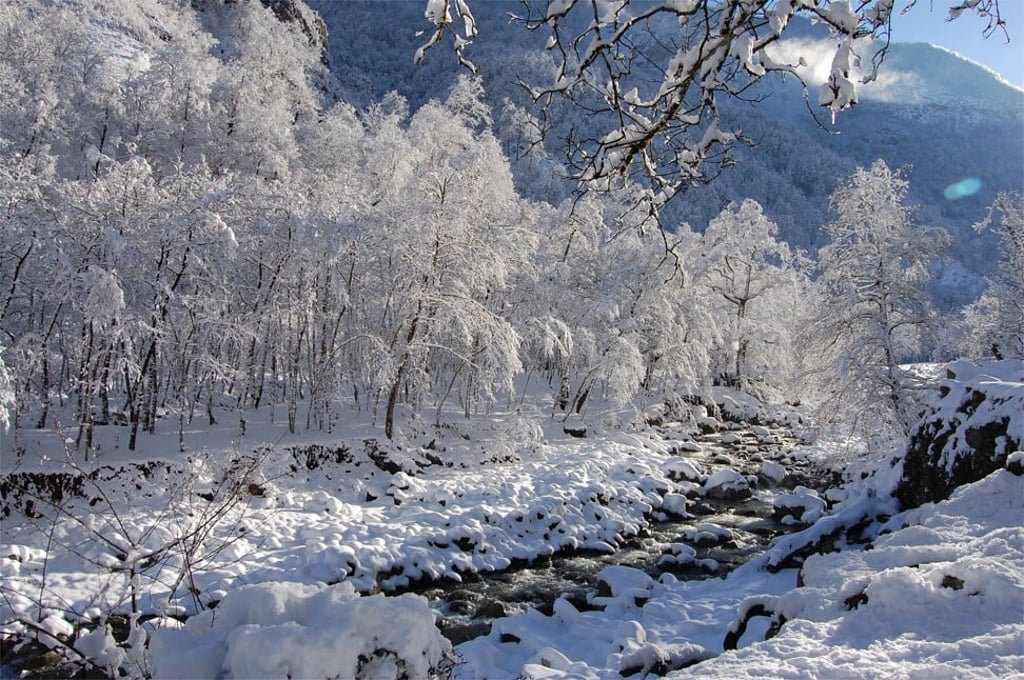
Iran offers stunning trekking, but can its fledgling tourism sector survive the coronavirus pandemic?
- Multi-day hikes take visitors into pristine mountains and forests, staying in local homes and camping with nomadic tribes
- With the nuclear agreement in pieces and sanctions in place, the outbreak is not the only thing preventing a boom in arrivals
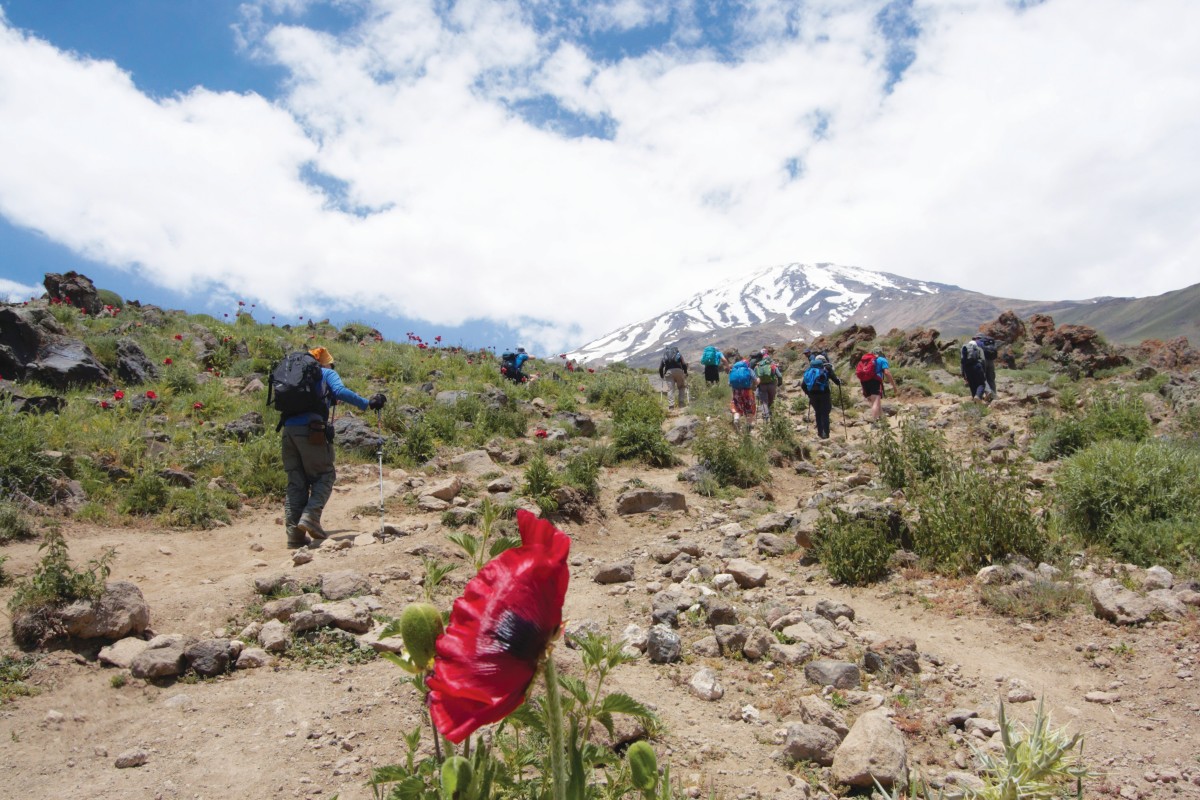
“You have a beautiful country, Farzin. You are lucky to live in such a privileged place,” said Robert, from Ireland, as we approached our acclimatisation point, about 5,100 metres up Mount Damavand. We waited there for an hour before returning to the Bargah Sevom refuge for the night, and climbing to the summit the next day. At 5,610 metres, Damavand is the tallest mountain in Iran, and the highest volcano in Asia.
“This is as wild as you can go anywhere on this planet, Farzin,” New Zealander Steve Moncrieff said on another occasion, as we approached a 4,000-metre ridge overlooking the Caspian Sea, the largest lake in the world. We had spent the night in a cave and the unmarked path was all scree and so steep that the gradient reached 60 per cent at some points. The Spilet glacier gleamed behind us and herds of wild goats grazed above.
When we reached the ridge, we had a panoramic view of the Caspian to the north, the dense Hyrcanian Forest below, several peaks, including Takht-e Soleyman (Solomon’s Throne), and, as it was a clear day, the coastal towns down by the lake. Moncrieff must have been impressed; he came back to take another long trek with me.
But that was then.