
Destinations knownIt is not all bad news from Bali – expat-founded charities give back to the island’s inhabitants
- The Indonesian island, which relies heavily on tourism to support its economy, recorded almost no visitors in April
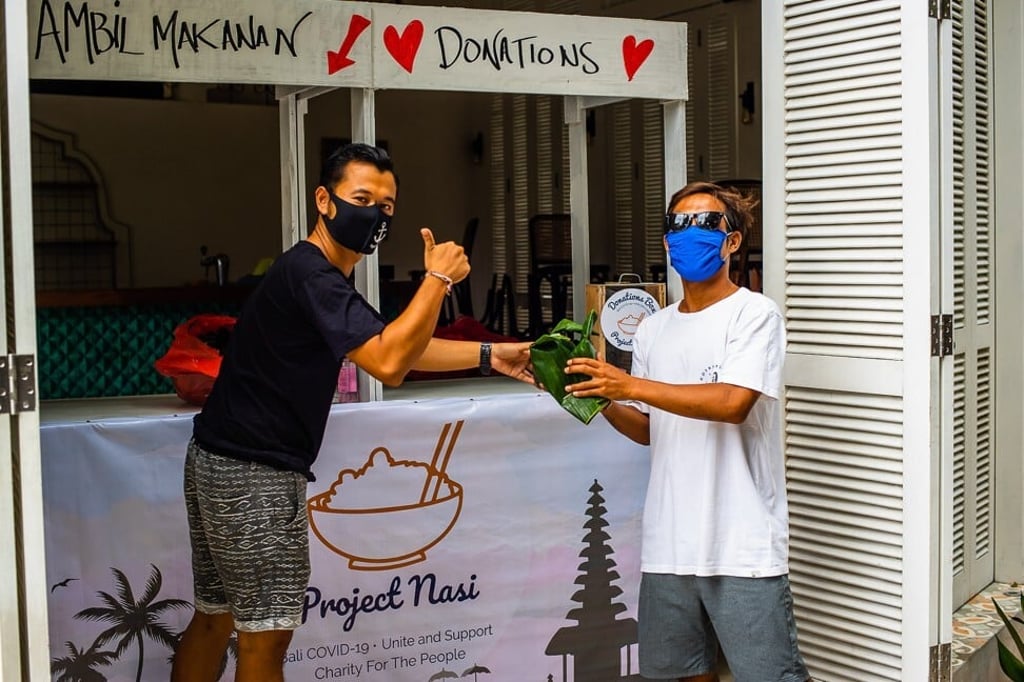
- A number of charitable organisations have sprung up to help those who rely on an influx of arrivals for their livelihood

Except that, for a significant number of residents, business is far from usual. Home to a population of 4.2 million, the island’s economy, and the wealth of its populace, have come to rely heavily on tourism. And, of course, the coronavirus pandemic has all but paralysed that industry, with foreign nationals – apart from diplomats, humanitarian workers and those with residency permits – having been barred from entering Indonesia since April 1.
According to Australia-based non-profit organisation Indonesia Institute, as much as 80 per cent of Bali’s GDP depends on tourism, although the island’s deputy governor, Tjokorda Oka Sukawati, recently placed that figure at 60 per cent of the gross regional product. Either way, any absence of international arrivals will be felt almost immediately. On April 25, The Jakarta Post reported that the island had recorded an almost 100 per cent decrease in foreign visitors that month.
It’s not just those who work in tourism who are affected. With no demand from the hotels it is used to supplying, the agricultural sector, another of Bali’s economic pillars, faces a surfeit of produce. On April 24, an article on English-language news site The Bali Sun estimated that tourism-related losses could cost Bali 138.6 trillion rupiah (US$8.9 billion), which is potentially devastating to the island’s inhabitants, many of whom live hand to mouth, according to the Indonesia Institute.
To support struggling families in Bali, the organisation has set up a fundraiser and will collaborate with the Universitas Pendidikan Nasional, a private university in the island’s capital, Denpasar, to work with municipal and village leaders, identifying those most in need of assistance and working out how that can be delivered. At the time of writing, the campaign had raised A$9,341 (HK$6,053) of its A$100,000 target.