Seven Indian hill stations that still beckon when summer becomes too hot to handle
- Built by the British as a respite from Indian summers, the subcontinent’s hill stations are as charming as ever
- At Udagamandalam, or Ooty, the game of snooker was invented, and Gulmarg is still home to the world’s highest green golf course

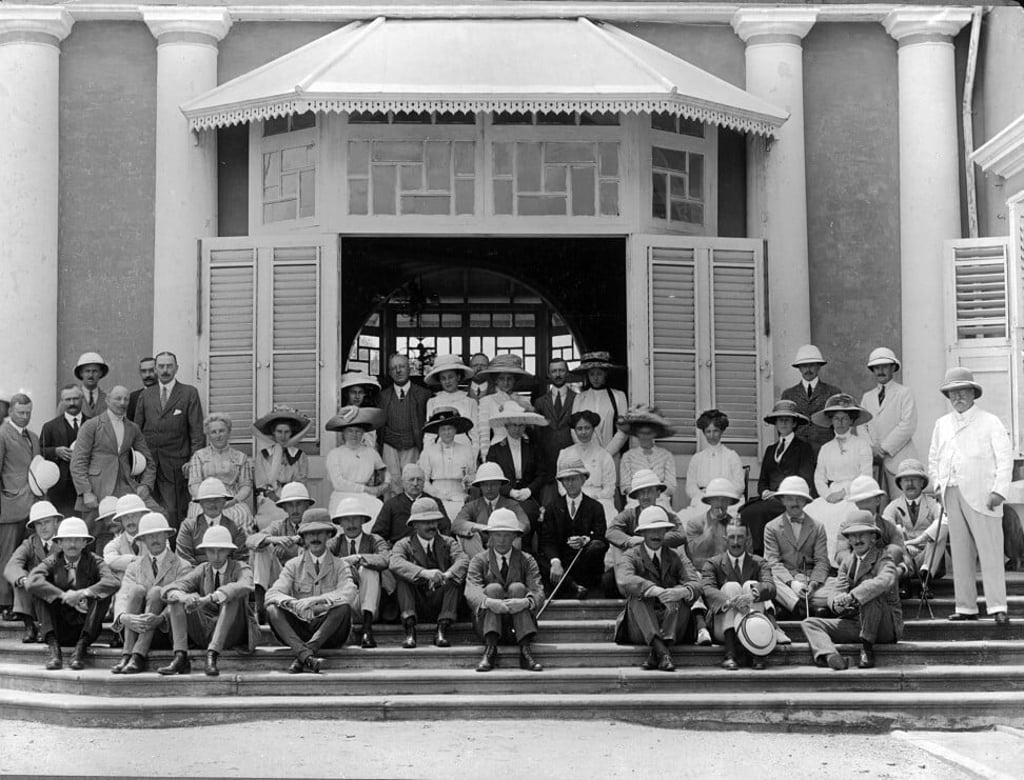
Hill stations were usually developed at altitudes between 1,500 and 2,500 metres, where the climate was agreeably brisk and the mountain vistas absolutely spiffing. The purpose-built settlements offered imperial administrators, military officers and planters a home away from home where they could rest, recuperate and socialise when summer temperatures at sea level became unbearable. The colonials have long gone but close one eye and you could almost be in Europe.
Game of billiards, anyone?
Before the completion of the railway, in 1903, getting to the British summer capital of Shimla was no easy task. The rulers of the Raj relied on horses and elephants, bullock cart convoys and palanquins (a kind of sedan chair) to negotiate the steep mountain paths.
It was worth the effort, however, as when they weren’t busy ruling a fifth of the world’s population, the pen-pushers of empire took advantage of the benign temperatures of the Himalayan foothills to indulge in a hectic sporting and social calendar of cricket and croquet, picnics, hunting and amateur dramatics. Nowadays, the Queen of the Hills attracts mainly domestic tourists keen to escape furnace-like conditions and enjoy Shimla’s cedar-scented air and seasonal snowfalls.