Covid-19 scuppers journey down Amazon of Asia, the Kapuas River in Borneo, so a road adventure has to suffice
- Known as the Amazon of Asia, the Kapuas is home to former headhunting tribes known as the Dayak
- With tribal villages closed because of Covid-19 and water travel unfeasible, our writer was forced to endure … the bus

Although international travel remains rare in the Asia-Pacific region, domestic tourism in some countries has been booming for months. In Thailand, Phuket saw a huge uptick in visitor numbers for the Vegetarian Festival, in October, with hotels booked out for the first time since last March. Australia is enjoying its biggest holiday boom since the 1970s, with summer bookings at popular east coast holiday towns up by two or three times compared with 2019. And a recent on-site assessment by the UN World Tourism Organization in Bali gave the resort island the thumbs up to safely welcome 3,900 flights and 350,000 domestic visitors in November.
But what of those harder-to-reach destinations that fall under the niche of adventure travel – places that offer more rewarding learning and cultural experiences than the heavily trodden tourist traps? Can one visit them safely in the pre-vaccine period of the “new normal”?
Known as Asia’s Amazon, this liquid superhighway stretches 1,143km from the marshy deltas of the South China Sea to the foothills of the Muller mountain range, home to some of the 200 former headhunting tribes collectively known as the Dayak.
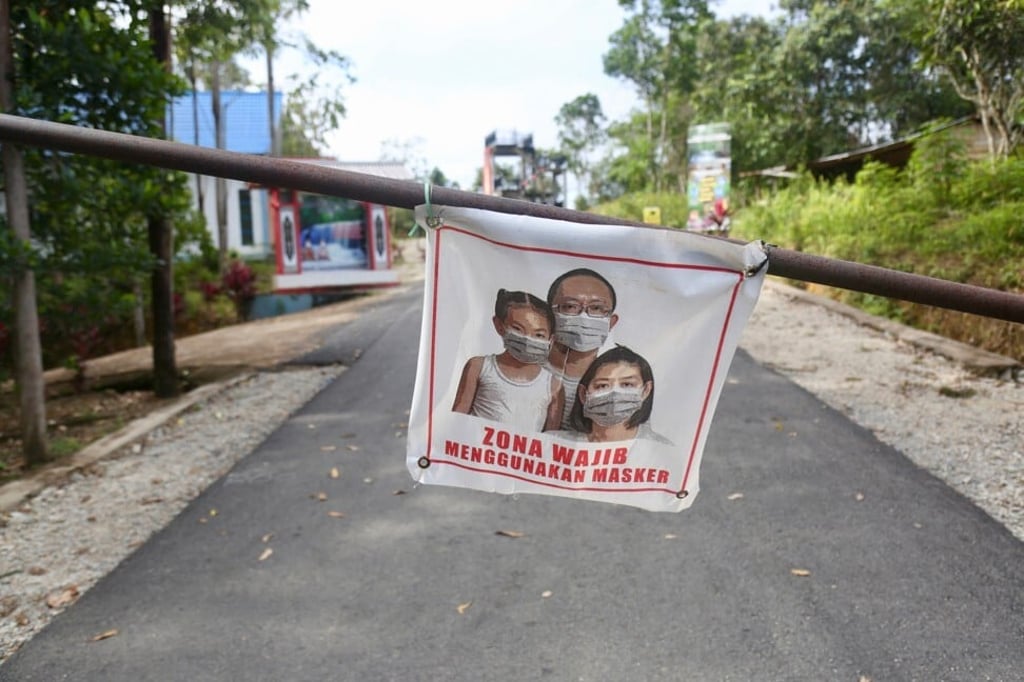
To fly in Indonesia, passengers must hold a negative rapid antibody test result that is less than 14 days old. They are cheaply available at medical clinics throughout the country, although I got mine at a new counter set up outside the departure terminal in Jakarta. I also had to pass the standard temperature test at the front door and wear a mask at all times, except while eating. Some passengers and airport staff wore face shields, too.