In the gardens of Coco Chanel, Christian Dior and Yves Saint Laurent – where flowers and fashion unite
- Some of the world’s great designers were not only inspired by gardens but created their own enduringly beautiful grounds
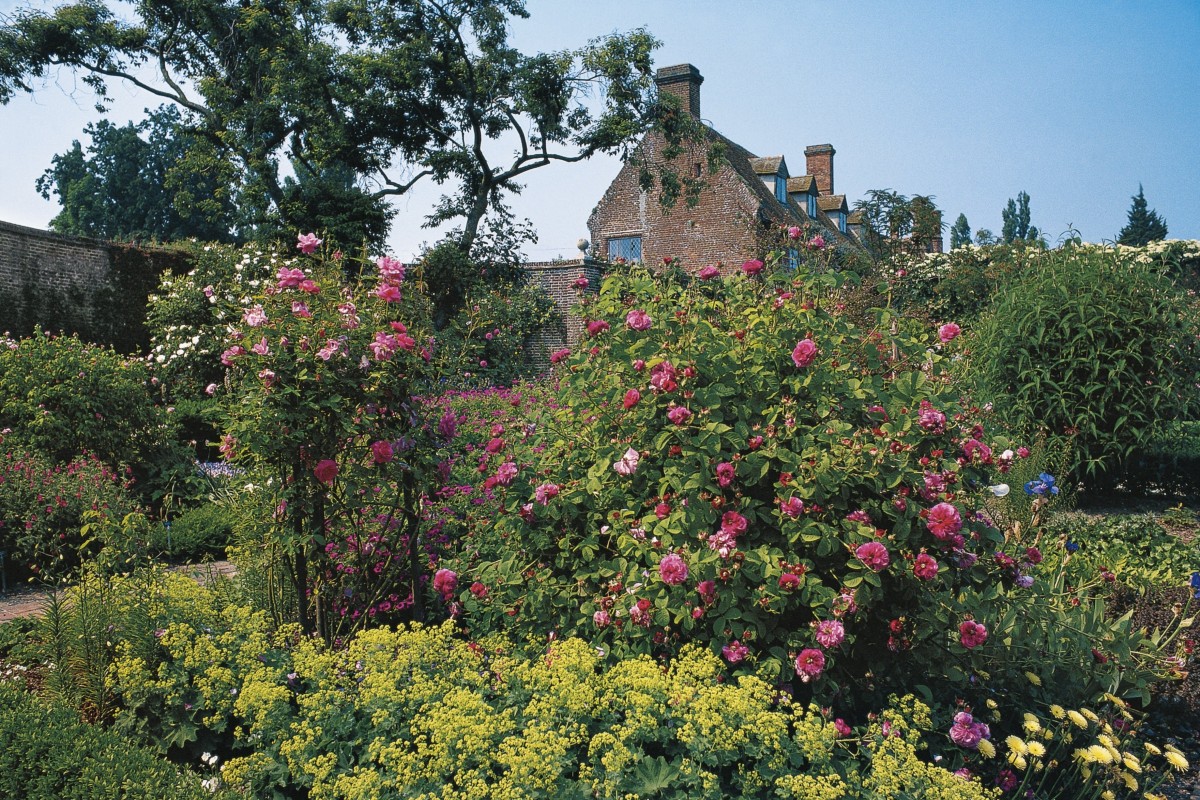
I first visited Sissinghurst on one of those spring mornings when the sky over England is filled with scudding clouds and the women wear optimistically light dresses that provide little protection from the sharp breeze. It was days after I had finished a tour of Wadi Rum, and the contrast between the pulsating heat of the Jordanian desert and this damp, exuberant greenery felt delightful.
Sissinghurst embodies everything we want an English garden to be. A mixture of wild, overgrown abandon and meticulous planning, it is lovely to look at but also wonderfully evocative of a past era. Its walled white garden, which bursts into bloom each spring with nearly every white flower native to Britain, attracts visitors from around the globe, drawn to its powerful scent as much as to its prettiness.
Sissinghurst is also eternally bound up with the author and poet Vita Sackville-West, who, with her husband, the diplomat and diarist Harold Nicolson, bought the then-dilapidated house and grounds in the 1930s and turned them into one of Kent’s most renowned creations. An outspoken feminist in an era when women had only recently gained the vote, Sackville-West planned, planted and tended to the garden, building herself a study in a disused turret so she could look out across her rolling lawns while she wrote.
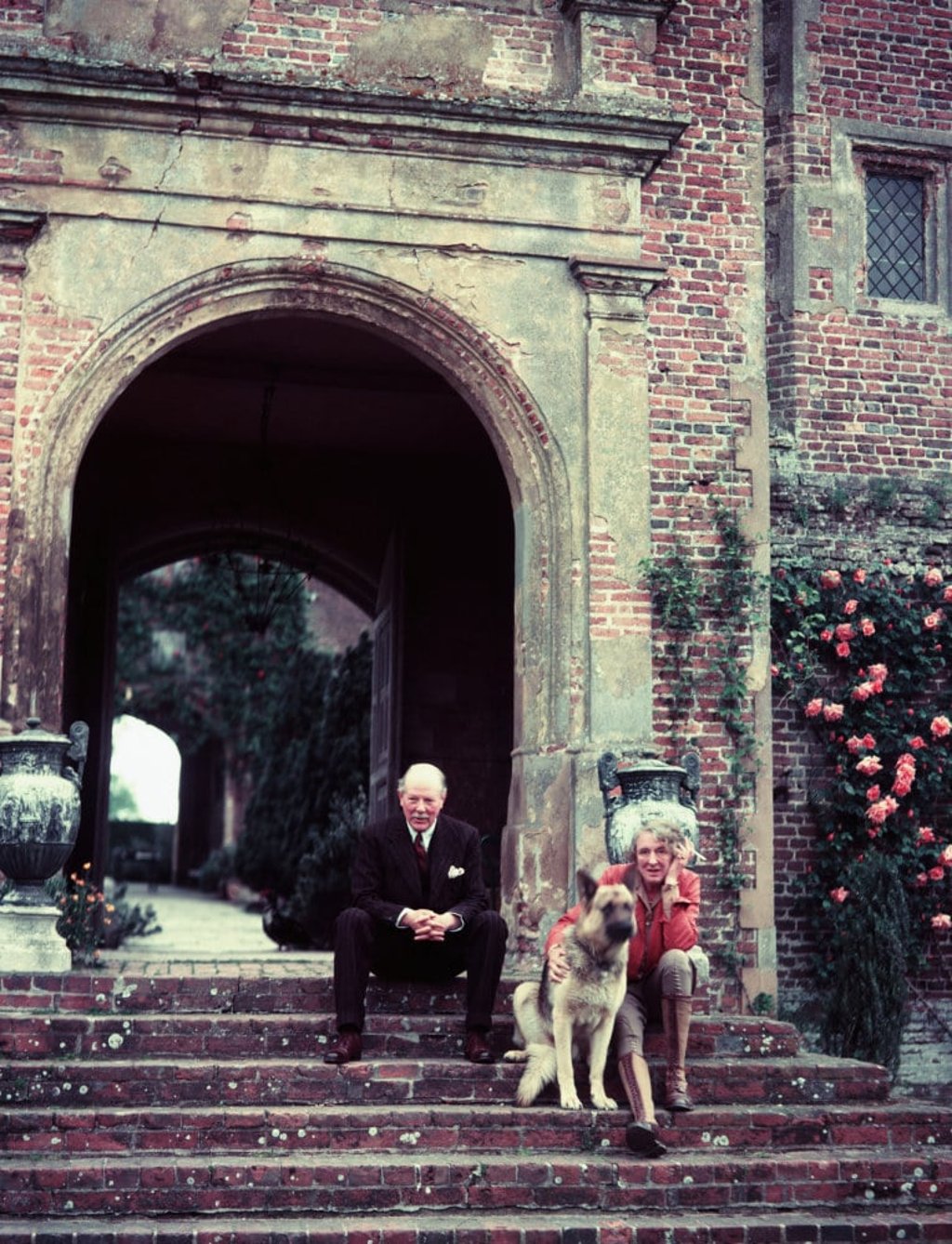
On the day I met him, then head gardener Troy Scott Smith had a weight of expectation on his handsome shoulders. Sissinghurst is owned by the National Trust, a charity devoted to heritage conservation in England, Wales and Northern Ireland, but Sackville-West’s grandchildren still play a central role in planning the garden – as do the millions of people worldwide who see it as the template of 20th century English country romance. Which is why, before Scott Smith came on board, in 2013, there had been some controversy surrounding its layout, with critics claiming its shabby chic allure had been replaced by an overly styled design that lacked soul.
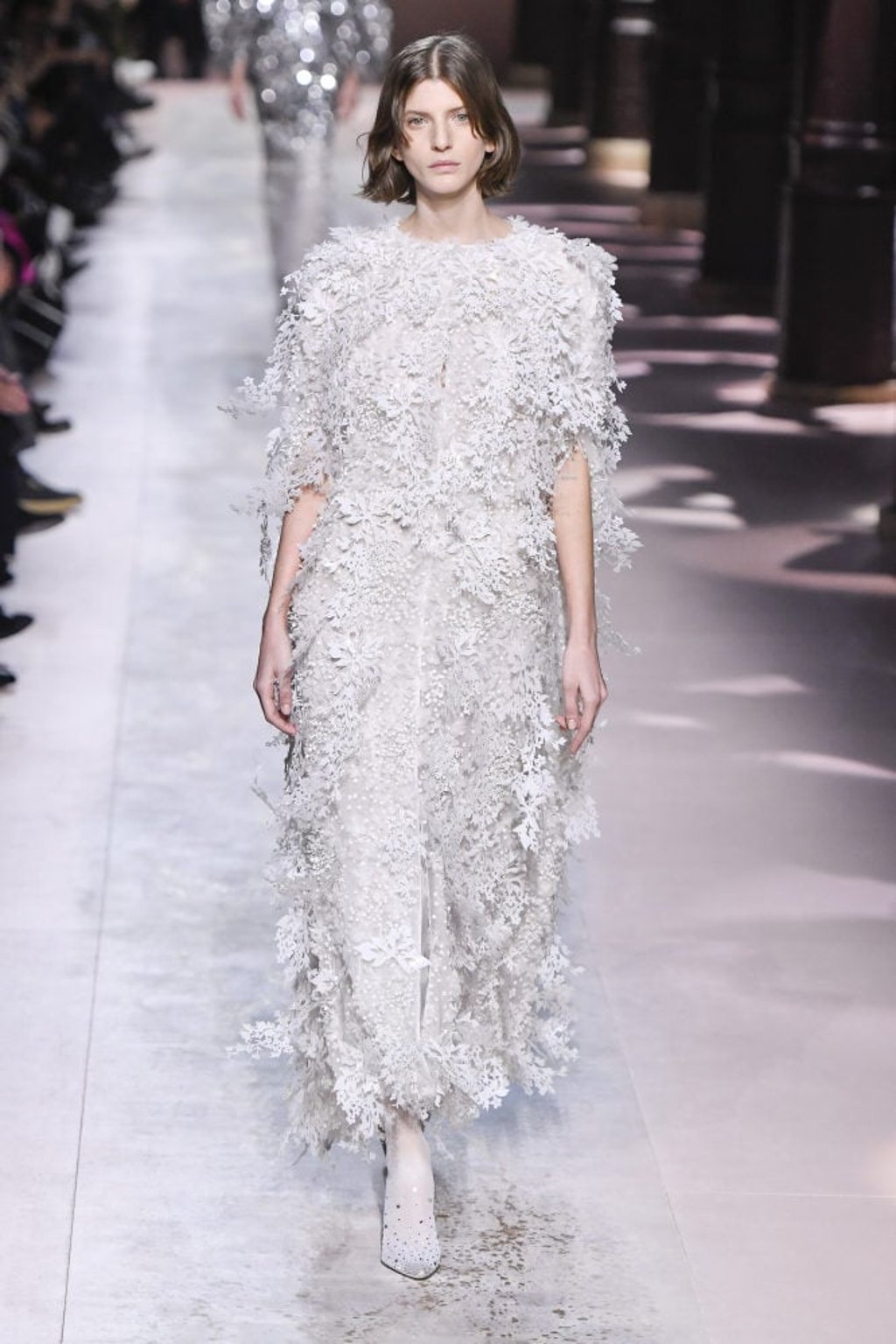
I’ve worked in fashion for years and all of this – the beauty, the heritage, the wildly creative predecessor and the intense public scrutiny over something beloved – reminds me of the way designers approach their collections and the pressure they feel to conform to the aesthetic of the house. So it came as no surprise when, last summer, Sissinghurst formed the inspiration for Givenchy’s couture collection. The creative director of the brand, Clare Waight Keller, is British and has always loved these gardens; now she had the chance to incorporate them into designs for a very French fashion house.
The collection was called Une Lettre D’amour – meaning “a love letter” – because Waight Keller found further inspiration in the correspondence between Sackville-West and her lover, English author Virginia Woolf, and the heady summer days the two of them spent together at Sissinghurst. The resulting Givenchy runways were filled with long, white floral dresses that were hugely evocative of the walled garden; tulip-shaped skirts; and moulded, sculptural gowns crafted to look like they were made of petals.
Scott Smith has a notably similar perspective on beauty to Waight Keller. On that spring day when I visited, we sat together on a bench by the lake, where weeping willows drift over water lilies and banks of wild grass tumble into powerfully scented flower beds. In the garden, much like in the fashion collection that borrowed from it, there was a heightened sensuality that Scott Smith believed came from a combination of abundance and abandonment.