Why Unesco can do little to prevent World Heritage sites being destroyed – nowhere is that shown better than in China
- The World Heritage Committee is mostly just a paper tiger when it comes to enforcement of its rules, with some member states doing just as they please
- In 2019, the committee ‘regretted’ China’s construction of a new railway line and station at Badaling, a Great Wall site, without any consultation

In the nearly 50 years since the creation of the Unesco World Heritage List, in 1972, it has grown to include some 1,154 cultural and natural properties in 167 countries. But the big news at the World Heritage Committee’s recent 44th meeting was not the accession of 34 new sites to the list, but rather the deletion of one – only the third time this has occurred in the programme’s history.
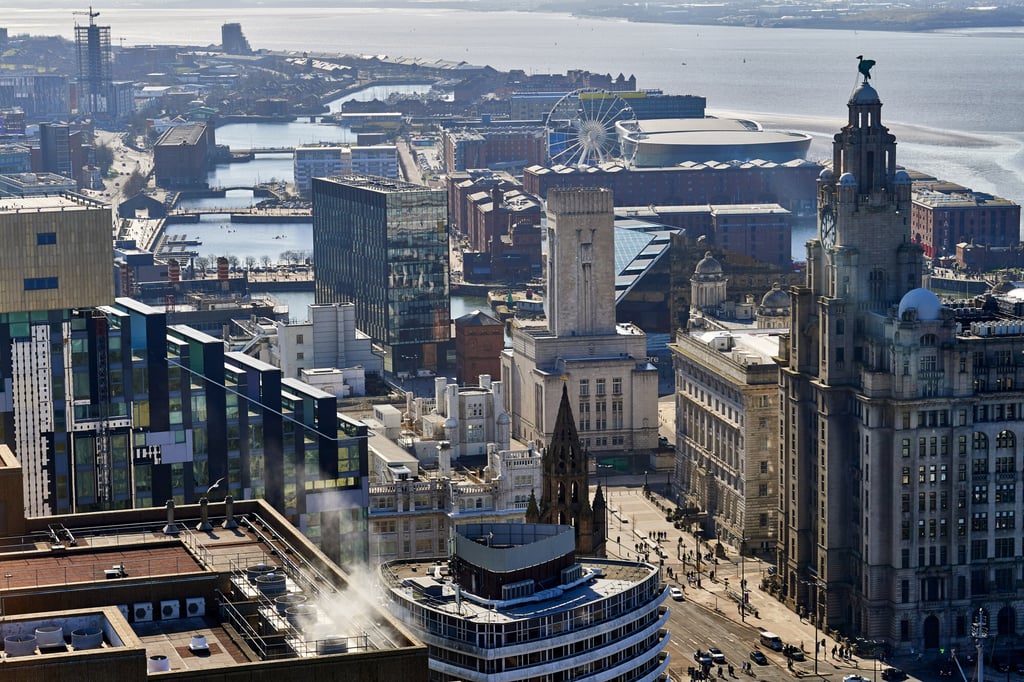
Many people, and especially those given to checklist tourism, are familiar with the World Heritage List, but far fewer are aware of the List of World Heritage in Danger. During the July meeting, the relegation of Australia’s Great Barrier Reef and the Italian city of Venice to the In Danger list was discussed and rejected, but the English port city of Liverpool, garlanded in 2004 but moved to the In Danger list in 2012 – the committee’s equivalent of showing a yellow card – has now been sent off.
Does this matter?
The World Heritage Convention is full of thrilling ideas rendered a little leaden by legalese and the compromises necessary to reach an internationally binding agreement, and central is the notion that there are sites both man-made and natural of such great significance that they should be regarded as part of the heritage of the human race as a whole, and their preservation a matter of collective responsibility.
The original intention was not to promote tourism, but to conserve heritage. In fact, the convention notes that important sites “are increasingly threatened with destruction, not only by traditional causes of decay, but also by changing social and economic conditions”. There are few more formidable destructive forces than mass tourism.