Six wildlife sanctuaries where the animals come first, from a koala refuge in Australia to a school for orangutans in Borneo, Malaysia
- At many wildlife tourist attractions animals are abused. So why not visit one of the minority in Asia-Pacific that treat theirs humanely and look after them well?
- See elephants in Laos, gibbons in Phuket’s last rainforest, sun bears saved from bile farms in Vietnam and a variety of trafficked creatures rescued in Sulawesi

According to global charity World Animal Protection, three out of four wildlife tourist attractions are responsible for some form of animal abuse. And it is these pseudo sanctuaries that make the news with reports of mistreatment and cruelty. But we rarely hear about the well-run establishments that are beacons of best practice.
A minority they may be, but these not-for-profit operations provide safe havens by prioritising welfare based on humane treatment, expert veterinary care, nutrition and ensuring that all “residents” have appropriate living space. Here are six sanctuaries that don’t teach elephants to kick footballs or orangutans to ride bicycles.
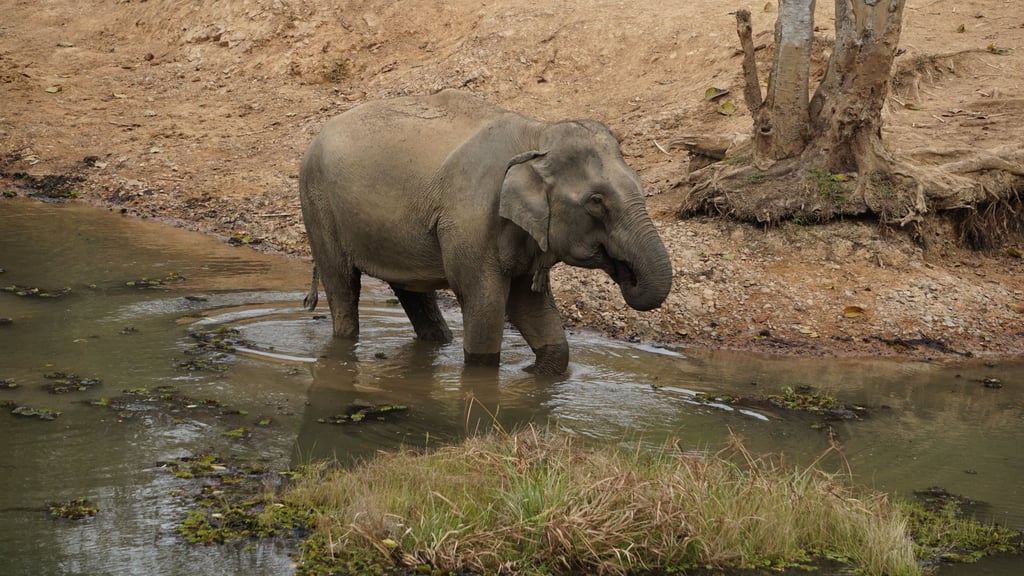
The camp combines conservation of habitat and wildlife (Asian elephants are an endangered species) and promotes ethical tourism. Visitors aren’t allowed to ride the giant tuskers but they are encouraged to stay overnight – or longer – to fully appreciate the ongoing rehabilitation and breeding programmes.
Accommodation is in the form of rustic bungalows set amid 250 hectares of protected forest. Transport from the world heritage listed city of Luang Prabang takes two hours by minivan.