Inside the home of Erwin Wurm - The Artist Who Swallowed the World

Artist-sculptor Erwin Wurm 'fell in love' with the castle he restored to its former renaissance glory
Erwin Wurm, his wife Elise and their three-year-old daughter Estée. Animals on the estate include a dog, some sheep, a turkey, chickens, a turtle in the lake, frogs and hunting birds.
The Castle of Limberg, about 40 minutes northwest of Vienna
Known for his humorous take on formalism, the multidisciplinary artist is best known for his one-minute sculptures, which are improvised and crafted with whatever objects, participants and backgrounds are available on the spot. His whimsical, eccentric works include inflated sculptures such as The Artist Who Swallowed the World and Fat Car.
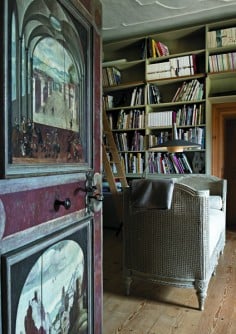
Those lucky enough to have met the author and man behind Erwin Wurm: The Artist Who Swallowed The World will know that ingesting a planet doesn't seem to have weighed the man down much. With his ever humorous and artistic eye, he has created a home filled with art, life and, undoubtedly, laughs.
The affair began more than a decade ago. While Wurm previously had a "beautiful old house" in the neighbourhood, he had his eyes and heart set on Austria's Limberg Castle.
"Every time I picked someone up from the train [station] … I passed by Limberg," Wurm says. "[I] immediately fell in love with the beautiful estate and house."
And who can blame him? The estate, with its baroque build and plush greenery, is certainly inspiring and has a rich history to match. With a history dating back to the 12th century, the castle originally belonged to an Austrian aristocratic family, and was later given as a gift to the German monastery Stift Altenburg. The monastery kept it for 150 years, before the sculptor finally made it his family home and studio.
While the exterior won over Wurm from early on, he was initially less than thrilled about the interiors. "The house looked very strange," he recalls of the estate when he first purchased it. "The monastery had built apartments into the old castle. They restructured the rooms by dividing the big halls and building several rooms into the big halls."