Chefs on Faroe Islands, between Iceland and Norway come up with tempting recipes using traditional ingredients

Faroe Islands are emerging as a destination for gourmands seeking new and exotic flavours
Fulmar, skerpikjøt and garnatálg are probably not part of your culinary vocabulary yet, but these dishes are creating a buzz in the world of gastronomy, and it all started in a lush green archipelago thousands of kilometres away.
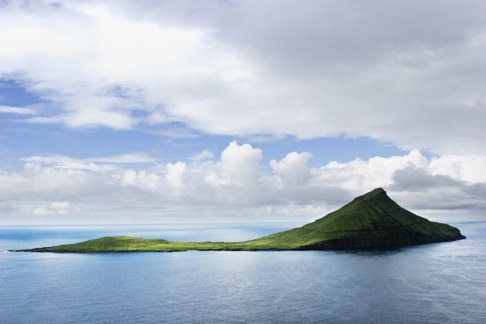
Viewed from above, the Faroe Islands look like a cluster of massive, uncut emeralds, set in lapis and wrapped in cotton gauze. On capriciously stormy days in late summer, the murky sky suddenly erupts into colour, aglow with shimmering rainbows that surround the archipelago. The drive from the airport to the capital city of Tórshavn is a cinematic reel of windswept cliffs and verdant slopes veined with streams and waterfalls. In this remote corner of the globe, the landscape is so stunning and surreal that it's hard to believe that you haven't just landed in Middle Earth.
Situated midway between Norway and Iceland, the Faroe Islands are home to an ancient civilisation that dates back to at least 400 AD. The region's isolated location - coupled with its harsh and fickle climate - has served as a buffer from the rest of the world and to an extent time itself, allowing the Faroe Islands to preserve many of their cultural traditions.
The population is tiny - with the 50,000 human inhabitants outnumbered by the 70,000 sheep that roam and graze freely. The largest city, Tórshavn, is so small that McDonald's hasn't even set up shop there, although there is a Burger King in the town's only mall. These days, however, the Faroes are emerging as a destination for adventurous gourmets seeking new and unusual flavours - as well as some of the most amazing seafood on the planet. The recent interest in Faroese food has been sparked by the popularity of "New Nordic" cuisine, one of the biggest culinary trends to come out of the past decade. Spearheaded by Danish chef René Redzepi and the restaurant Noma, the New Nordic movement has encouraged chefs to look inward and develop a hyper-locavore style of cooking that celebrates the uniqueness of the Nordic kitchen and the raw ingredients that flourish in the frigid, northern terrain. Thanks to Redzepi, the world has gained an appreciation for things such as pickled rose petals, fermented potatoes and wild sorrel. On the Faroe Islands, local chefs are incorporating their own products and traditional techniques into a refined cuisine with a distinctive twist.
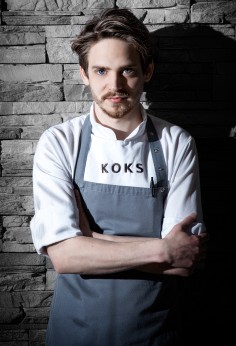
In the vanguard is Leif Sørensen, who had worked at Michelin-starred restaurants in Copenhagen before returning to his homeland to invigorate the food scene and "train the new generation" of restaurant industry professionals. In 2011, Sørensen helped launch the fine-dining restaurant Koks at the Hotel Føroyar, which, along with Noma, was a finalist for the Danish Dining Guide's Restaurant of the Year in 2013.
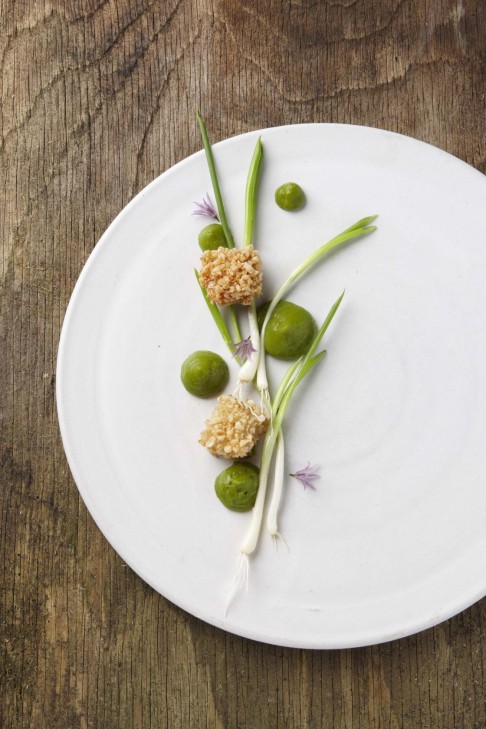
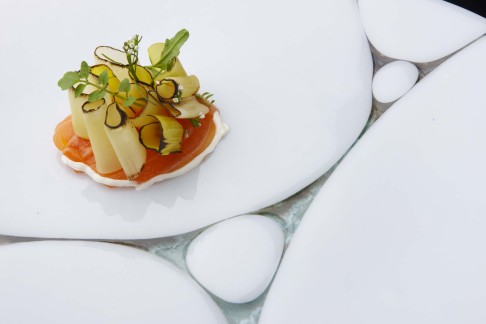
At Koks, Sørensen introduced exotic ingredients such as fulmar, a native sea bird that nests high in the rocky cliffs; sea thong seaweed, fermented and served in thin strands like pasta; and skerpikjøt, intensely flavoured lamb that has been semi-dried and fermented in the salty sea air and made the same way for centuries.
"I wanted to tell the story of Faroese food in a contemporary, international way," he says.