Hope or hype – can at-home LED face masks do what they claim?

Kendall Jenner and Hailey Bieber swear by them, but what is the truth behind celebrity glow trends and red light therapy?
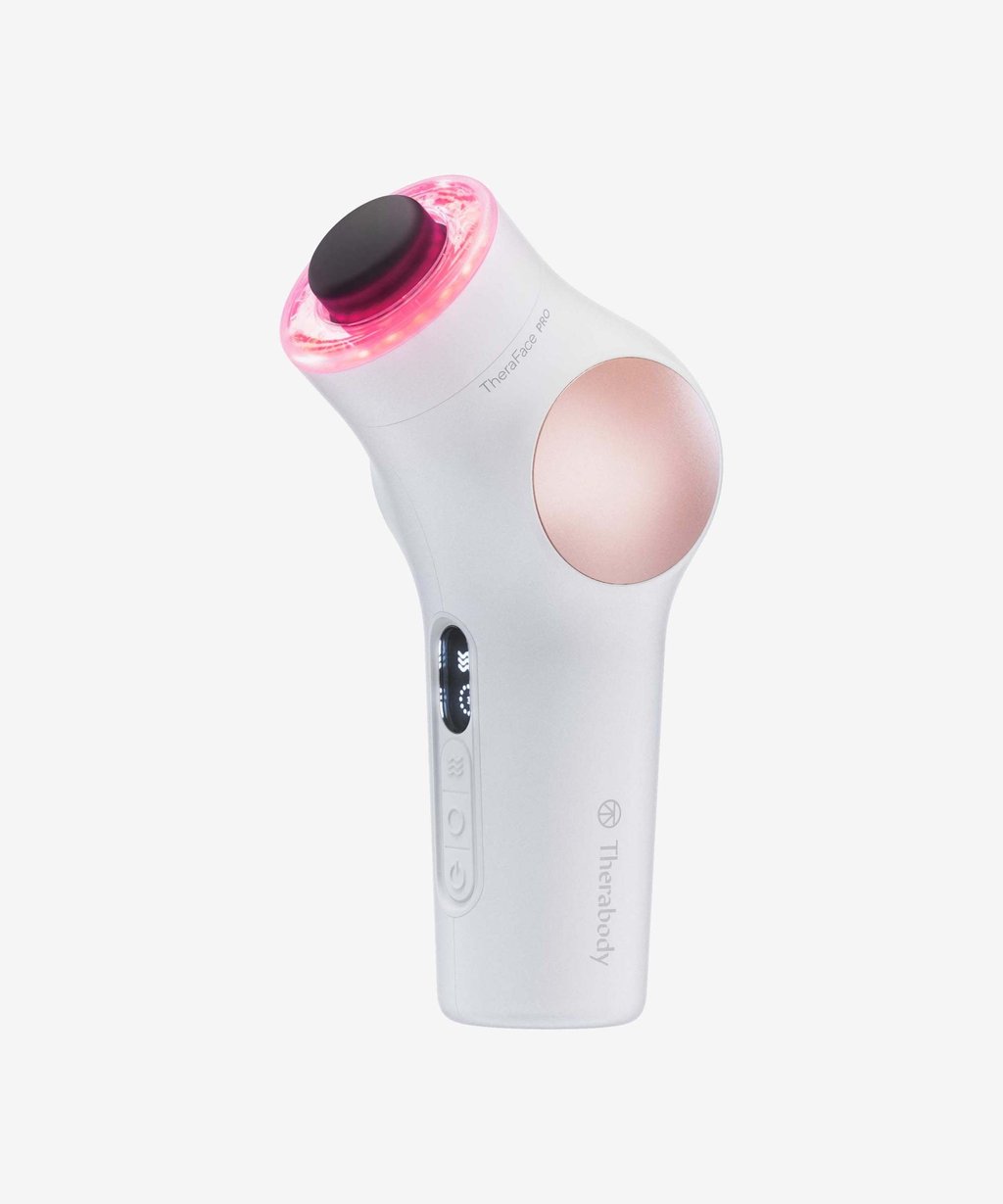
LED therapy itself isn’t new; dermatology clinics have relied on it for years. What is new is the way at-home versions have slipped into the mainstream, not as medical treatments but as lifestyle objects with their own cult appeal. And that’s where the expectations start to drift. “At-home LED masks can absolutely support skin health, but they are often misunderstood,” says Melanie Abeyta, aesthetic nurse practitioner and owner of Harmony Aesthetics Center in Los Angeles.
She explains that these devices can “help reduce mild inflammation, improve radiance, support superficial collagen activity and calm acne-causing bacteria”, but the keyword here is mild. As she puts it, they’re closer to a long-haul supplement than a resurfacing peel. They don’t lift, tighten or wipe out deep breakouts, no matter what the marketing copy implies, and certainly not at the energy levels on devices sold for home use.
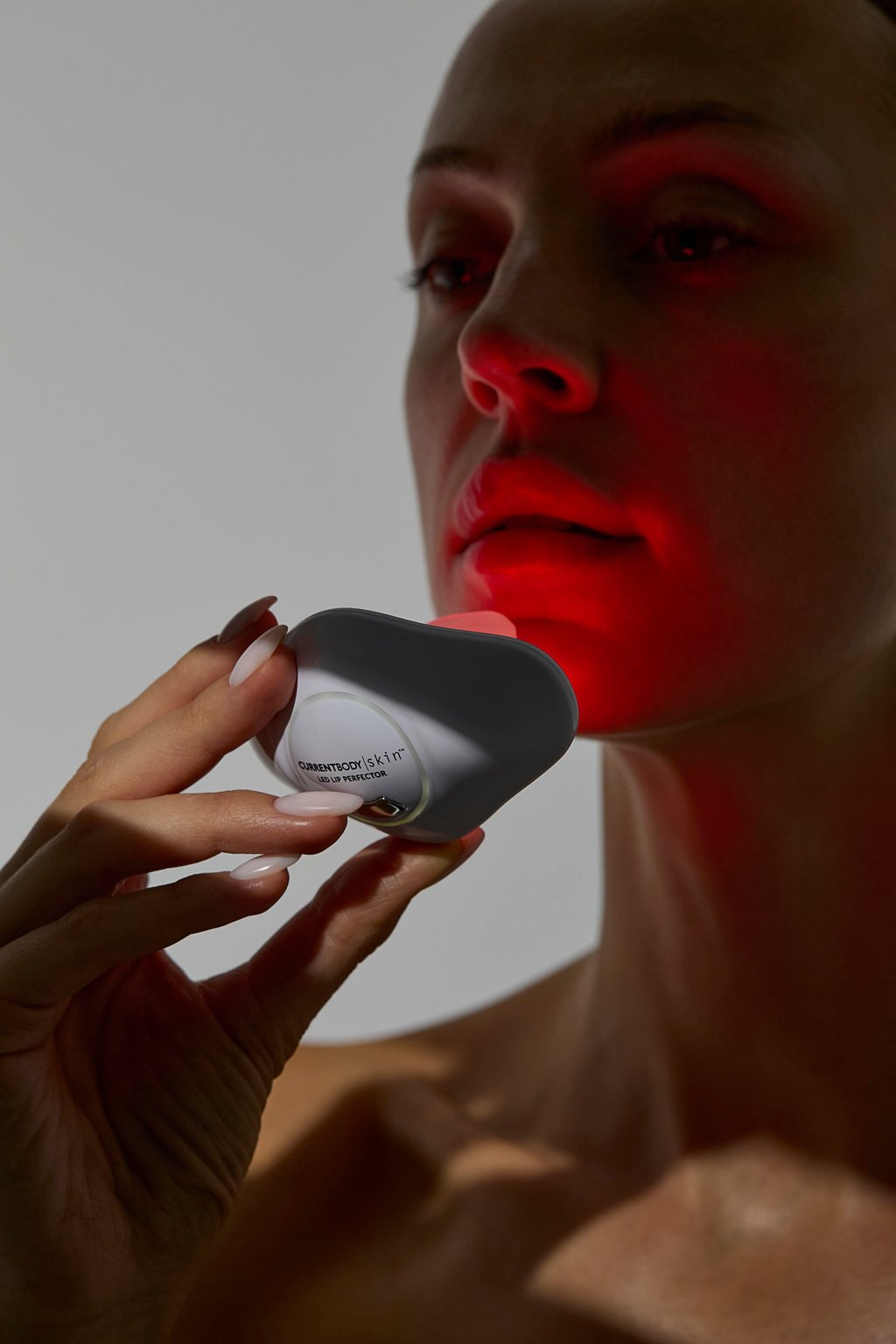
People tend to expect a dramatic “before and after”, but the real magic is much quieter: consistency, patience and the kind of gradual brightness that creeps up after a few weeks of steady use. And if that glow feels gentler than what you’d get from a professional treatment, that’s intentional. The gap between at-home LED and in-clinic versions comes down almost entirely to power and precision.
Abeyta explains that professional set-ups (the larger LED panels or dome-like devices you see in treatment rooms) use higher-intensity wavelengths delivered at controlled depths. “They can treat inflammation, acne and early collagen breakdown far more effectively because we can customise the wavelength, the dose and the duration,” she says.
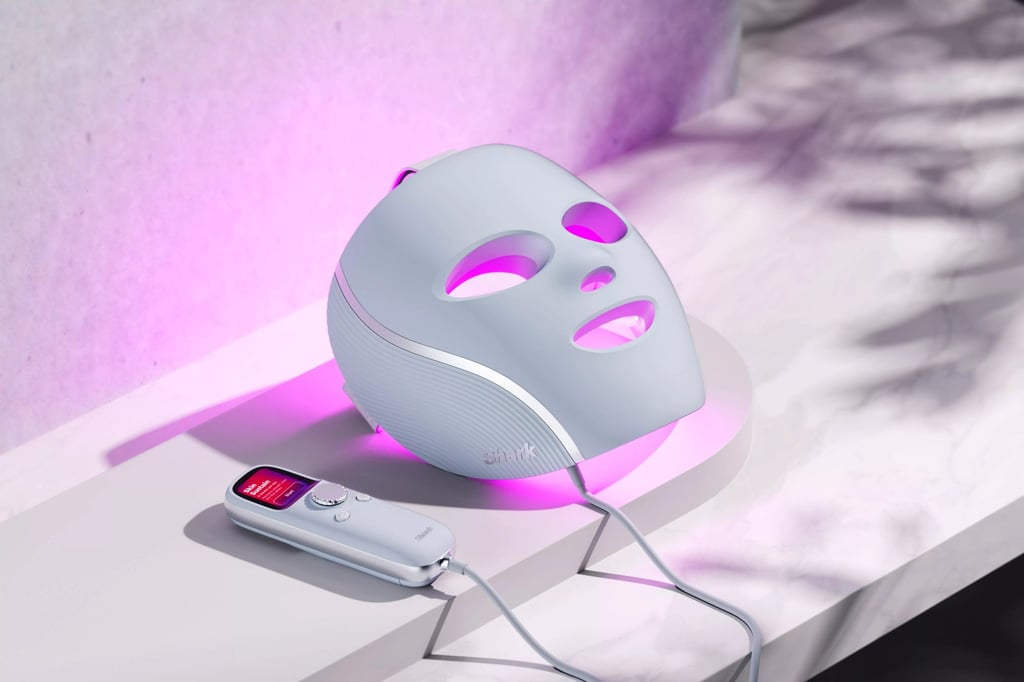
But there’s a trade-off: professional LED is typically done less often, whereas you can use an at-home mask three to five times a week. That frequency turns them into maintenance tools, something that keeps the progress going rather than creating it. “Together, both approaches can work beautifully, but they serve different roles,” Abeyta adds. “Professional treatments create change, and at-home masks help sustain and support that progress.”