How the seasons affect your perfume, from Chanel and Hermès to Maison Margiela

Here’s how to make your fragrance wardrobe work for you through the seasons, from citrus top notes that vanish in the summer heat to base notes that bloom in the cold
Not so long ago, perfume culture was simple: find a signature scent, commit, and let it announce your presence like a theme song. You then wore that same bottle on a humid July commute and a January night out – and it would express two different personalities.
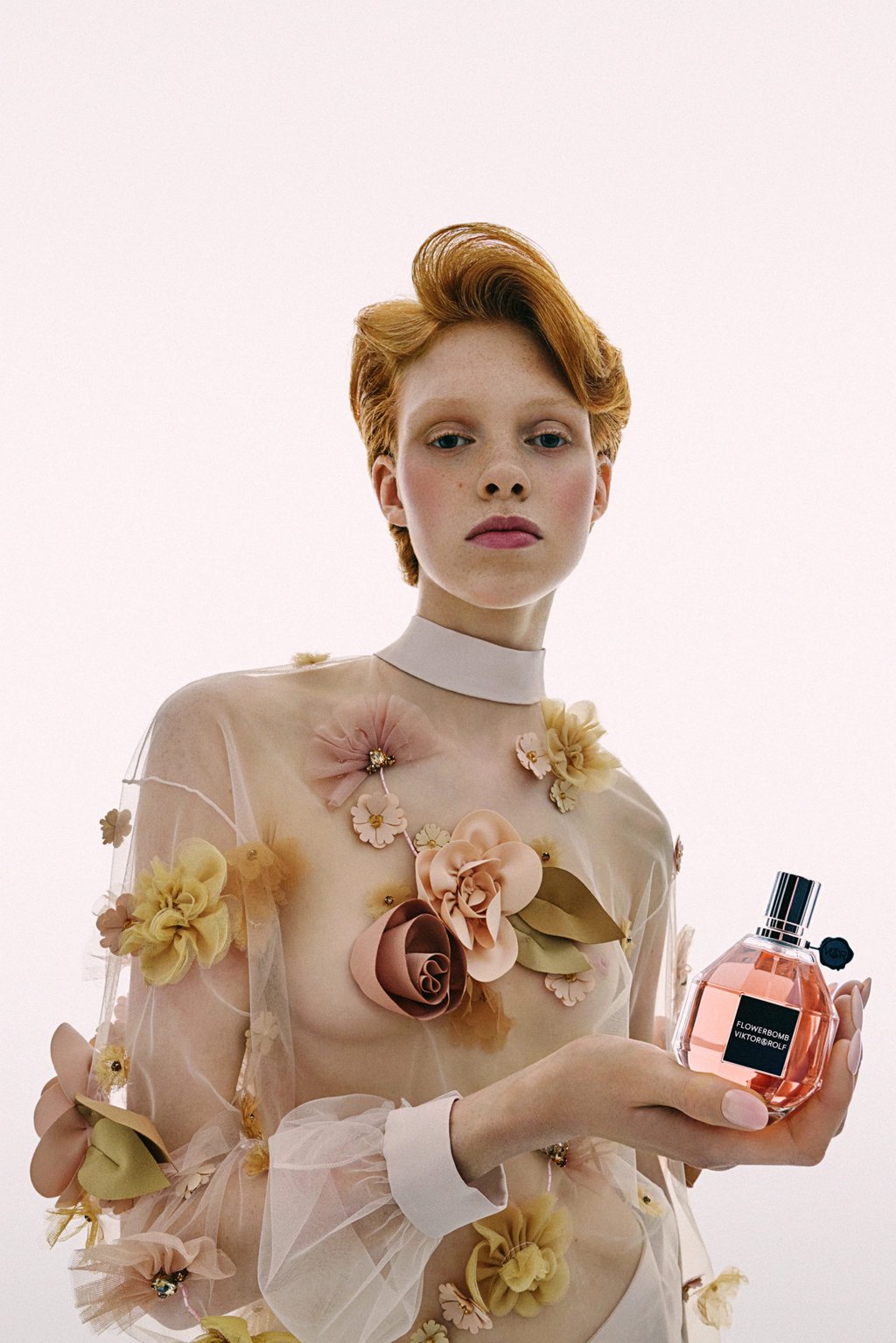
The reason behind this phenomenon? The weather. Ambient conditions change the way a perfume evaporates, projects and lingers, which means the same formula can feel crisp and sparkling one day, then dense and oddly shouty the next. “The simplest reason is temperature and humidity,” says Grace Cha, brand manager at Keyth, a Korean beauty brand. “Heat causes a scent to evaporate more quickly, which makes it project more strongly and feel brighter or sharper.” In contrast, in cold and dry weather, evaporation tends to slow. “The scent stays closer to the skin and feels softer and less powerful.”
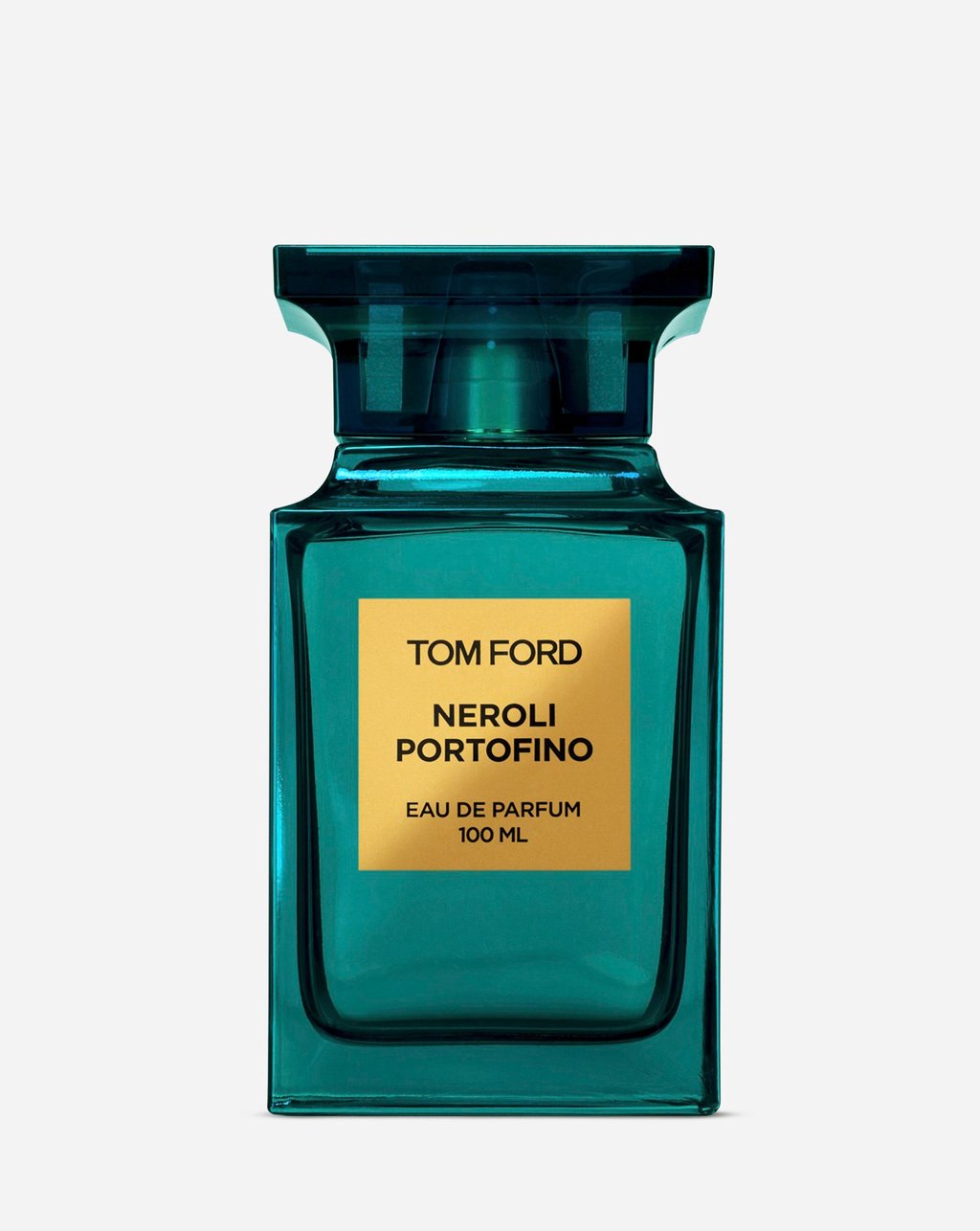
A bright neroli-citrus like Tom Ford Neroli Portofino, for example, might bloom beautifully indoors, then vanish the moment you step onto a sun-baked street.
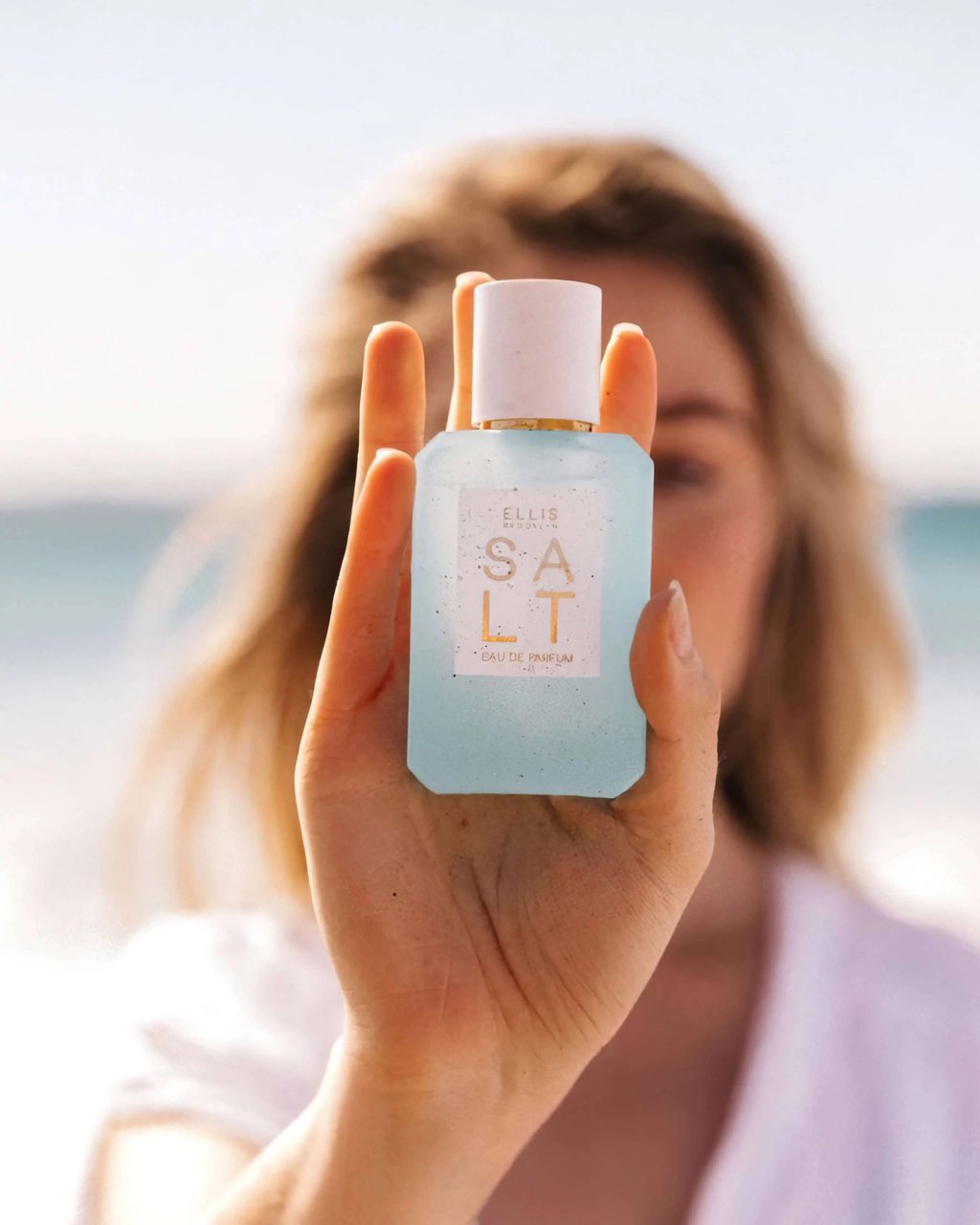
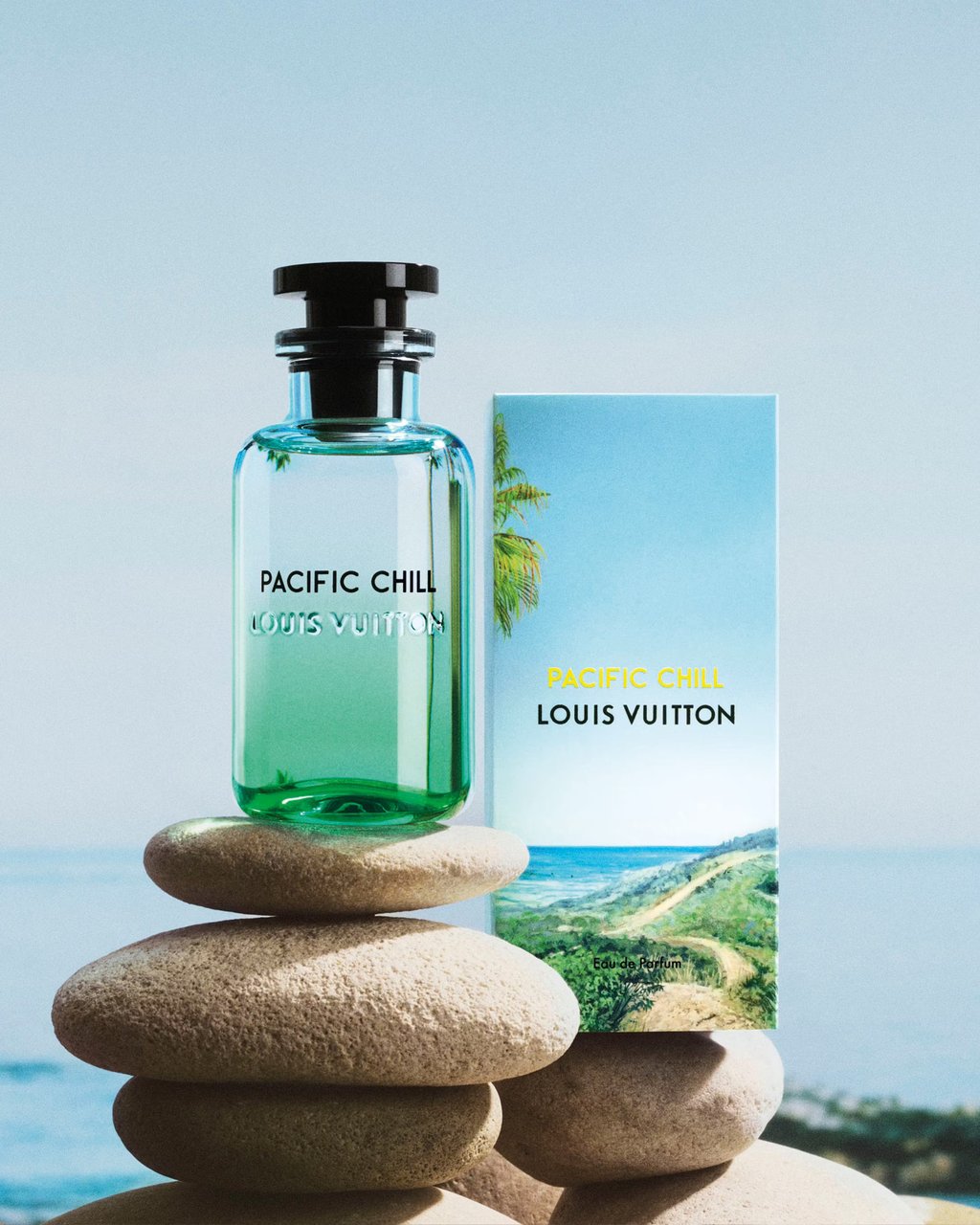
Middle notes like florals and light spices tend to be steadier, while base notes such as musk, woods and spicy and animalic materials are the slow movers that tend to outlast everything else. “Heavier molecules tend to form the base of a perfume and are not so easily influenced by heat and air flow,” Bhakta explains. By contrast, she adds, “citrus and light florals are quick to evaporate and diffuse, especially in hot, humid environments”. For example, a warm amber like Maison Francis Kurkdjian Grand Soir, or something more dense like Tom Ford Tobacco Vanille, has far more stamina than a sparkling citrus cologne, but that stamina can be a lot in the wrong setting.