Colostrum: the beauty ingredient Rosé from Blackpink and Dua Lipa swear by

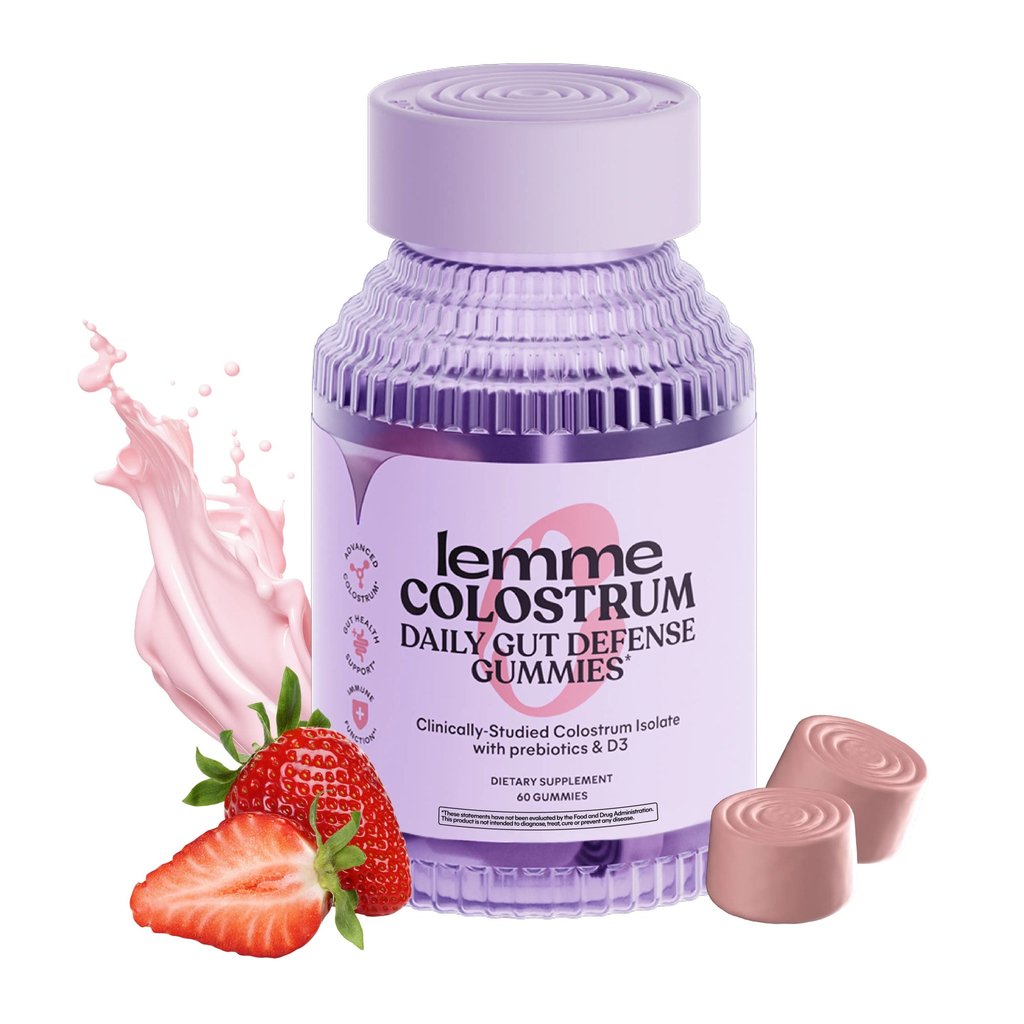
From Kourtney Kardashian’s Lemme to Jennifer Aniston-approved Armra, colostrum is everywhere – but is the ‘new collagen’ worth the hype?
Colostrum is the first milk produced by mammals immediately after giving birth and before mature milk comes in, and bovine colostrum – the kind used in supplements and skincare – is extraordinarily dense with bioactives. “It’s a bioactive cocktail that you don’t find in standard cosmetic ingredients,” says Susie Wang, founder and chief creative ambassador at 100% Pure. She points to epidermal growth factor and insulinlike growth factor-1, which stimulate cell regeneration and collagen production; immunoglobulins, antibodies that support the skin’s immune defences; and lactoferrin, an anti-inflammatory and antimicrobial protein that can soothe reactive skin and help neutralise acne-causing bacteria. Colostrum’s “liquid gold” nickname, she notes, refers to both its colour and composition.
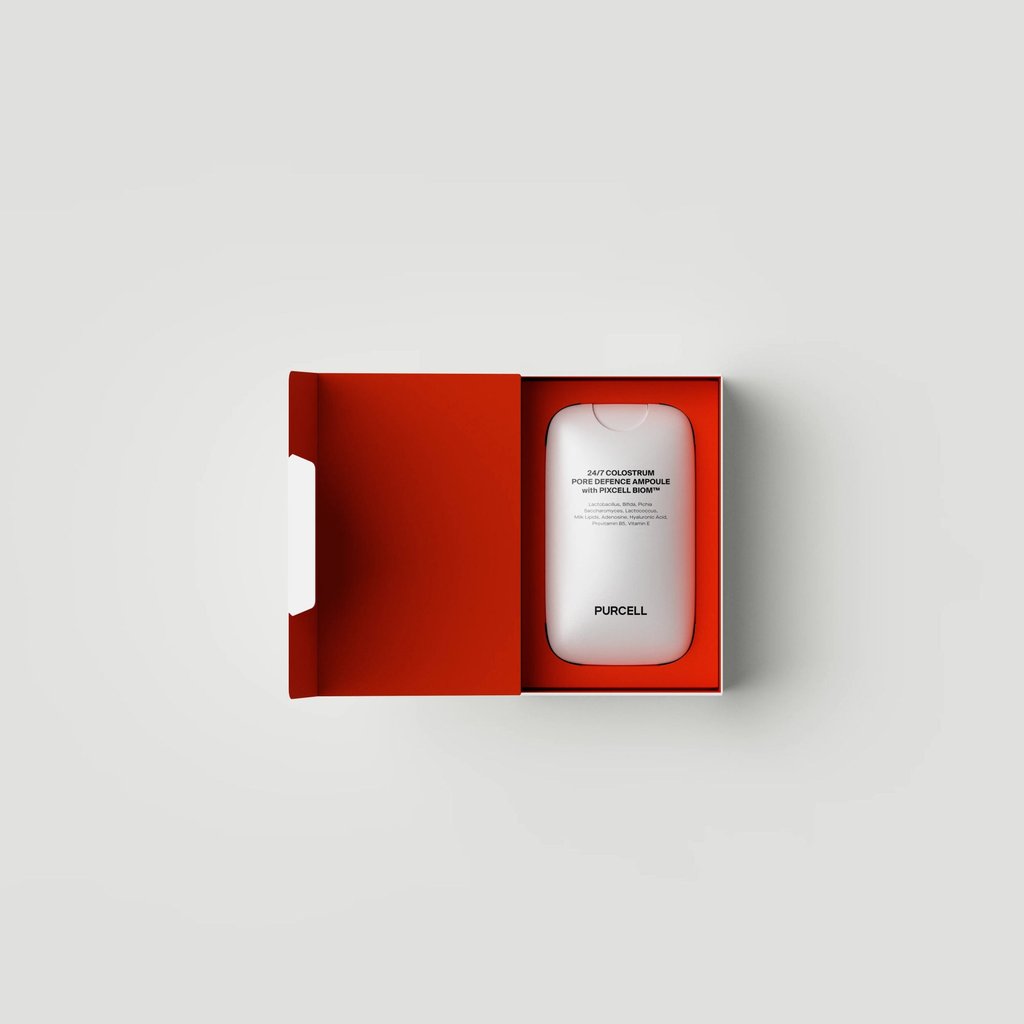
When taking colostrum, what most people notice first is barrier repair: skin that feels less reactive, holds moisture better, and recovers faster from irritation or inflammation. For anyone dealing with redness, eczema flare-ups or skin that seems perpetually sensitised, this is the most consistent payoff. The topical category has expanded well beyond Purcell’s viral mist by this point, but the principle remains the same: local, surface-level repair rather than anything systemic. The limitation comes down to molecule size.
“Immunoglobulins are large molecules that cannot penetrate deeply into the dermis,” Wang says – meaning topical colostrum is well suited to barrier repair and post-procedure recovery. Achieving deeper anti-ageing results requires more careful formulation, however, often involving liposomal delivery systems. Longer term, the growth factors support cellular turnover and collagen production, which is where the anti-ageing conversation comes in, though that’s a slower, subtler result. “If anything,” Wang says, “colostrum leaves skin soft and supple on the surface.”
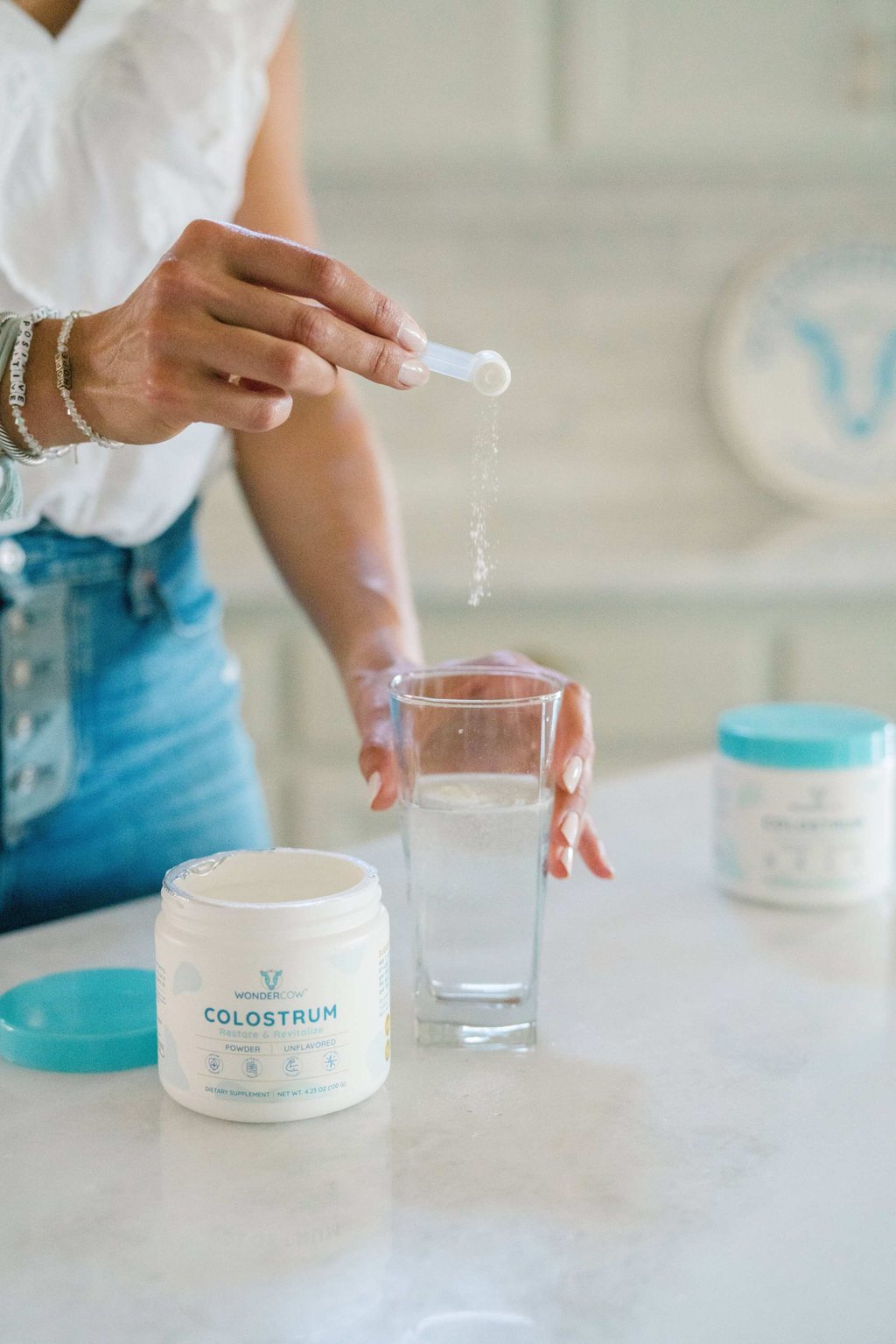
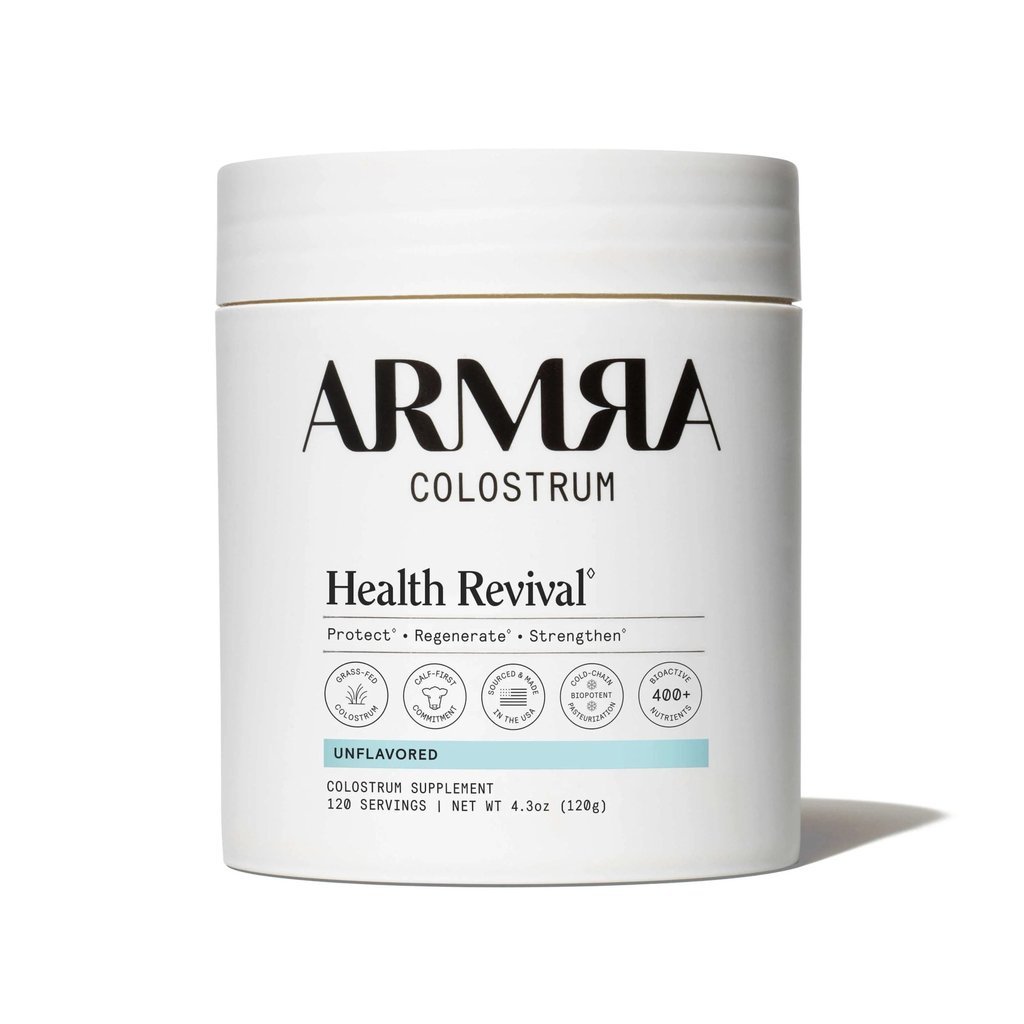
Taken as a supplement – from brands like Armra (which Jennifer Aniston and Dua Lipa have both name-dropped in their morning routines), Cowboy Colostrum and WonderCow – colostrum works primarily on the gut, repairing the intestinal lining and rebalancing the microbiome. Skin benefits come indirectly through what’s known as the gut-skin axis: “Systemic inflammation in the gut almost always shows up on the face as acne, rosacea or eczema,” Wang says. “By calming the immune system and reducing inflammation internally, oral colostrum indirectly clears and calms the skin from the inside out.”