Middle Eastern perfumes are trending, led by Lattafa and Mona Kattan’s Kayali

From TikTok Shop to legacy houses, oud has gone mainstream – with Gucci, Maison Francis Kurkdjian and Tom Ford all launching dedicated collections
Lattafa, another Dubai-based brand best known for its richly blended, accessibly priced eau de parfums, racked up more than US$63 million in TikTok Shop sales in a single year, and searches for “Arabian perfume” climbed over 60 per cent across TikTok and Google in 2025. Just like that, a tradition that’s been woven into daily life across the Middle East for centuries is, suddenly, everyone’s favourite new discovery.
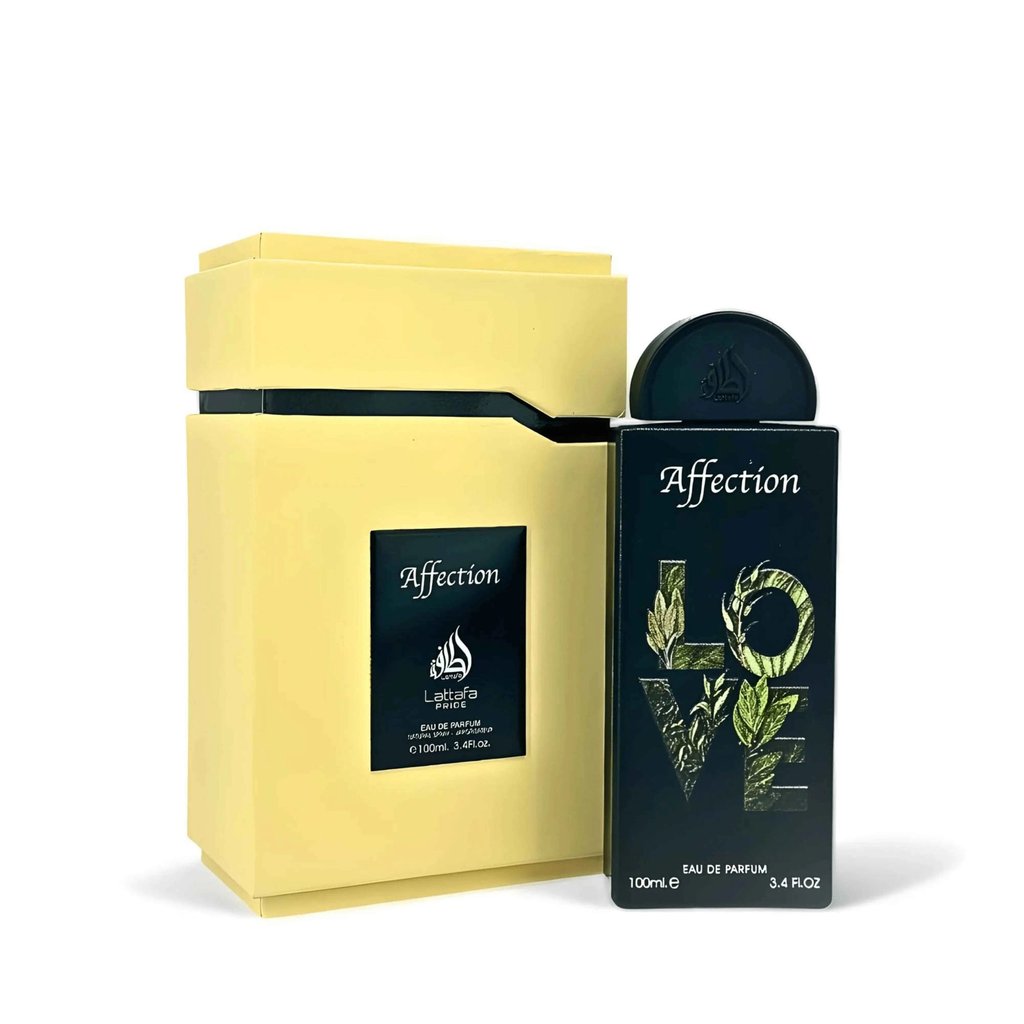
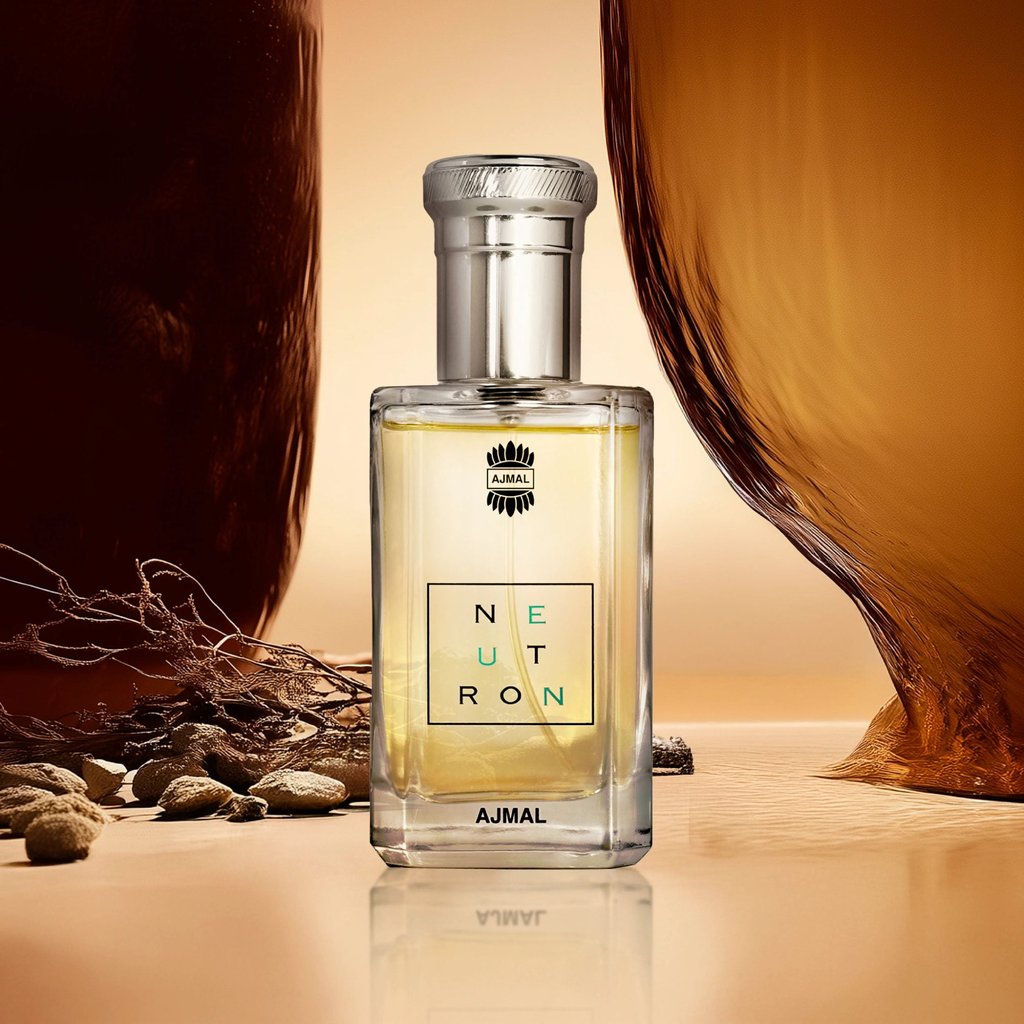
Part of what makes the category so irresistible to outsiders is how different the underlying philosophy is. “Western fragrances are often created to project, to make an impression, to be noticed. In many ways, they are worn outwardly, almost as a statement for others,” says Abdulla Ajmal, CEO of Ajmal Perfumes, which is currently expanding from its Dubai base into the US market. “In the Middle East, fragrance has historically been far more intrinsic – a part of daily life, of ritual, of identity.”
That shows up in the formulas, too: oil-based or oil-heavy, built around ingredients like oud, amber, musk and rose, designed to evolve slowly on the skin rather than announce themselves brashly and disappear.
That relationship with scent goes back a long way. Bakhoor, the practice of burning fragrant wood chips to perfume a home or a garment, has been part of daily life across the region for centuries. Attars, concentrated oil-based perfumes applied directly to the skin, predate the alcohol-based sprays that would eventually come to dominate Western markets. But perhaps the most significant tradition of all is layering: building a personal scent from multiple products applied in sequence, starting with an oil, adding a spray, sometimes finishing with bakhoor, until what you’re wearing is something no one else could replicate.
“Layering allows fragrance to move from something you wear to something you actively create,” says Ajmal. “It introduces a sense of versatility; you are no longer limited to a single expression, but can build different permutations depending on your mood, the setting or even the time of day.” Much like how one builds a look, layer by layer.
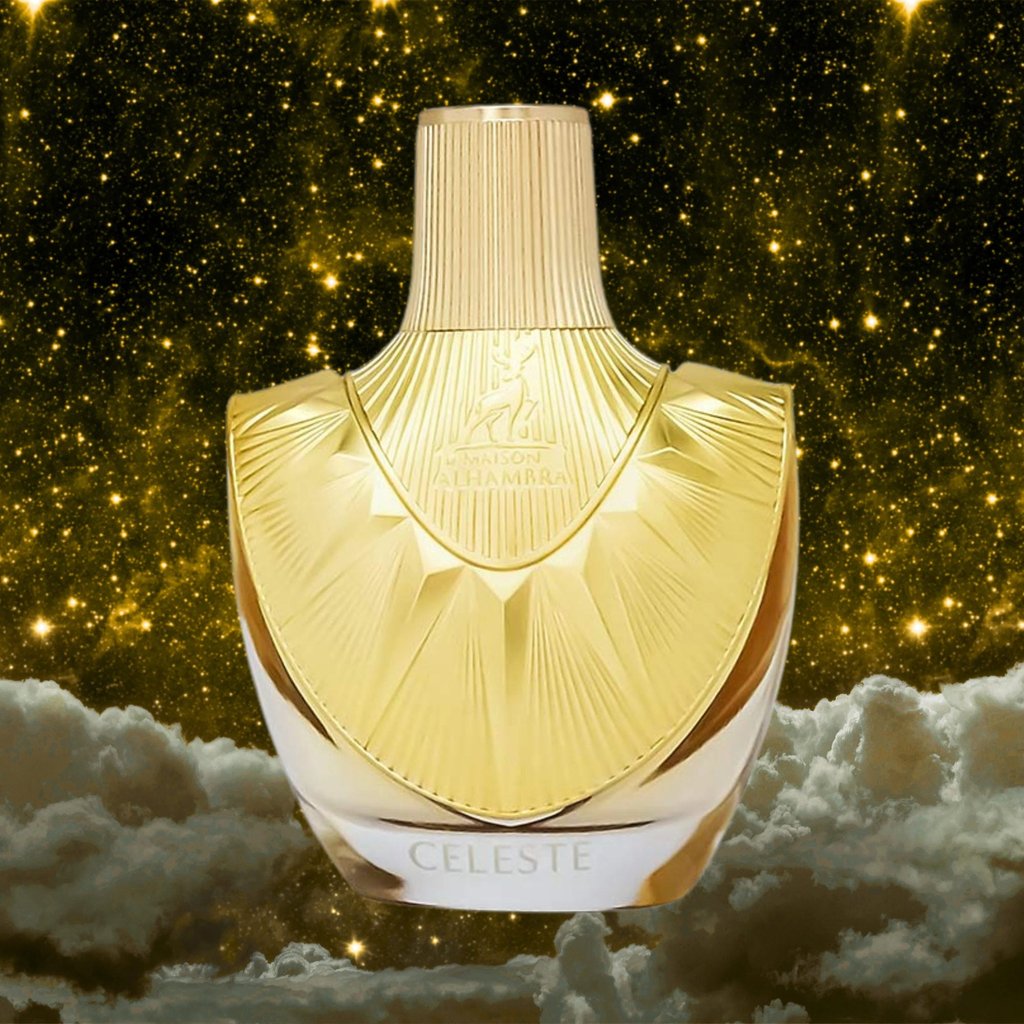
But this global desire for Middle Eastern fragrance didn’t materialise out of nowhere. Prestige fragrance prices have climbed sharply in recent years, and Middle Eastern brands have quietly stepped into that gap, offering long-wearing, richly formulated scents at price points that are hard to argue with.