What are anti-inflammation retreats, and do the wellness benefits really last?

Private clubs and hotels are cashing in on US$4,000 retreats that claim to reduce inflammation, offering lymphatic drainage, hyperbaric oxygen therapy and more
“Many come into my office saying they read something online,” he says. “They want to know if it’s something to be worried about. Most of my patients have no idea what it actually is but just know that it sounds bad.”
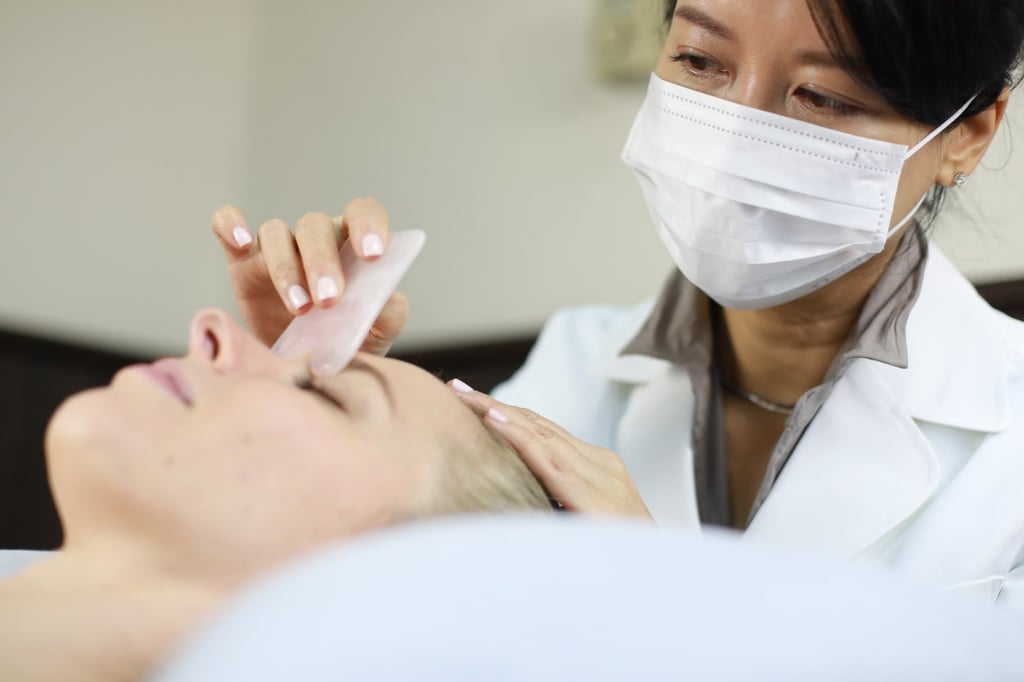
Consumer interest has also surged online. TikTok has 340,000 videos under the “lymphatic drainage” hashtag, with before-and-after videos like one from an aesthetic nurse offering tutorials on how to go from a puffy face to “snatched face” with a 30-second massage technique. The video has 1.4 million views.
Some doctors suggest that these types of sales pitches trade on the fact that many consumers don’t fully understand what purpose reducing inflammation serves. Schroder calls lymphatic-drainage massages helpful after surgery, especially for cancer patients or people dealing with a diagnosed lymphatic disorder. The evidence is weak, he says, for weight-loss purposes. There’s no harm in a relaxing massage, but its benefits are usually temporary and healthy people don’t usually need them.
“Inflammation is designed to help us,” says Philip Calder, professor of nutritional immunology at the University of Southampton in England.

The body’s inflammatory response plays an essential role in fighting infection, healing wounds and defending against injury, he says. Health problems can arise when inflammation becomes chronic, contributing to conditions including arthritis, diabetes and cardiovascular disease. Growing research into chronic low-grade inflammation has helped elevate the concept from a niche topic to a mainstream health concern. But somewhere along the way, Calder says, nuance has been lost.
“People like a simple story,” he says. Inflammation becomes “harmful, so here’s what you need to do to fix it.”