Why your scalp care routine is just as important as hair care – and not just because of dandruff

Dandruff persists due to scalp imbalances, not poor hygiene – but regular care with antifungal shampoos and gentle serums can help manage it
At some point in the last few years, the scalp quietly became prime real estate. We now have pre-wash masks, microbiome mists, and entire TikTok rabbit holes dedicated to “scalp cycling”. And yet, for all the newness, one very old character keeps crashing the party: flakes.
You think you’ve “handled” them – switched shampoos, maybe bought the fancy scrub, but a few weeks later, there they are again, dusting your shoulders like unrequested confetti.
“Recurring flaking is usually a sign that the scalp’s barrier and microbiome have fallen into a chronic imbalance,” says Arthur Corvin Powells, founder and CEO of HairLabs. On a healthy scalp, cells mature and shed over three to four weeks; with dandruff, “these cells can shed in just a few days, which creates visible flakes”.
At the same time, Malassezia yeasts metabolise scalp oils into free fatty acids, irritating the skin and further weakening the barrier, causing inflammation and itch. But even with good treatment, the scalp has a stubborn way of reverting to its own settings. Powells explains that sebum levels, pH and the microbiome drift back once treatment stops, so dandruff often behaves more like a chronic condition than a one-off flare.
That reality clashes with how dandruff is perceived. “One of the most common misconceptions is that dandruff is caused by poor hygiene,” Powells says. “In reality, it has very little to do with cleanliness; many people with dandruff actually wash their hair more frequently, trying to ‘fix’ it.” Another myth is that it is just “dry scalp”, something you can fix with more oil or a thicker mask, when it is usually linked to excess sebum, sensitivity to Malassezia by-products, and a disrupted barrier rather than simple dryness.
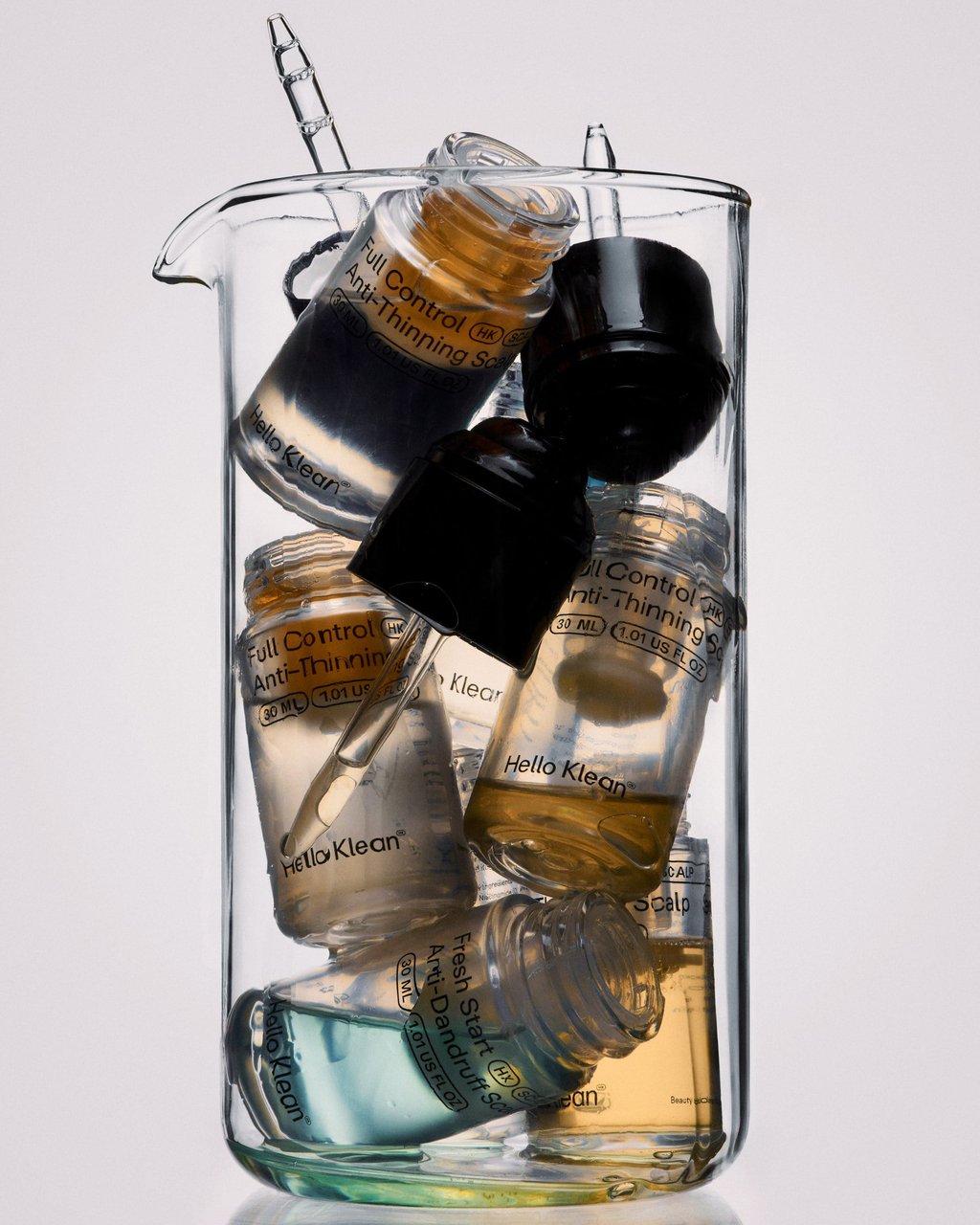
Complicating matters further, not every flake is created equal. “Dandruff looks simple, but it’s rarely caused by just one thing,” says Karlee Oz, founder of Hello Klean. “True dandruff is linked to an overgrowth of Malassezia yeast and a disrupted scalp barrier, but flaking can also come from dryness, hard-water build-up, product residue or irritation from certain ingredients.” Her advice is to pay attention to the pattern. “Oily, inflamed, or itchy patches often point to dandruff, whereas tightness, rough texture and fine white flakes usually signal dryness or mineral build-up.” Hard water in particular is an under-discussed trigger, depositing minerals and metals on the scalp that can disrupt the barrier over time.