Elsie Hewitt, Rumer Willis, and why the breastfeeding debate still stings

Between Hewitt’s essay on choosing formula and Willis breastfeeding her toddler, the ‘breast is best’ conversation remains loaded with judgment
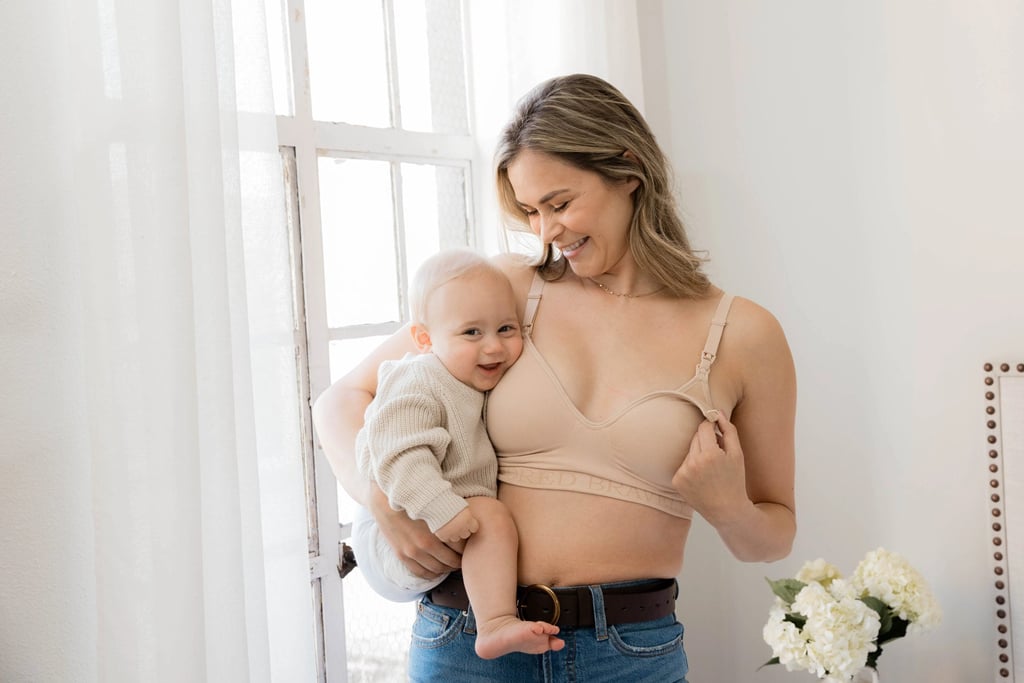
Breastfeeding has always been prone to strong opinions and judgment – chief among them, the odd conviction that how a mother chooses to feed her child is a matter for public debate. “Guilt is the No 1 emotion associated with mums when it comes to their feeding journeys,” says Tamari Jacob, a lactation consultant and founder of the online consulting service One with the Pump. “Regardless of the feeding method they choose, unless they have a perfectly easy feeding journey without any pain or drama from the start, which rarely happens, all mums will have guilt about something.”
As is well known, the benefits of breastfeeding are real: breast milk passes antibodies to newborns that help protect them from infection, while for mothers, breastfeeding is linked to a lower risk of breast and ovarian cancer as well as type 2 diabetes. But the research is also clear that formula-fed babies grow up just as healthy, and that a stressed, exhausted, unsupported mother is its own kind of risk factor that rarely makes it into the “breast is best” conversation. In other words, a baby who is fed, by whatever means, by a parent who is coping, is doing well.

Misinformation around breastfeeding doesn’t help either. “The biggest misconception I see almost daily is that you can increase your milk supply through eating lactation cookies, brownies and teas,” Jacob says. “Milk supply is actually based on your schedule, the ability to empty the breast completely, and supply and demand.”
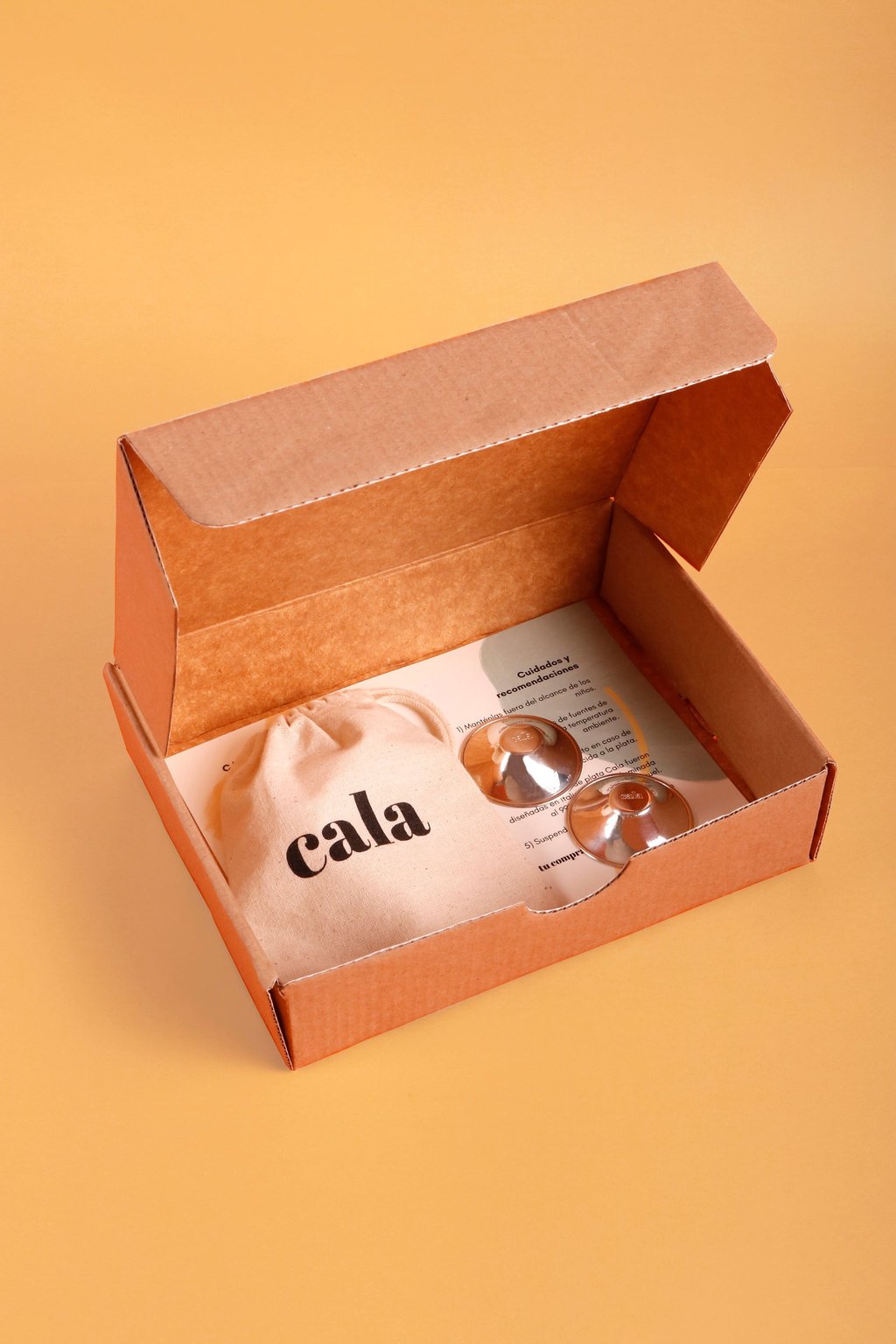
Trinidad Id, co-founder of maternity brand Cala, knows this first hand. “One of the biggest challenges women face in those first days and weeks after choosing to breastfeed is the pain that nobody talks about, that nobody mentions, that nobody warns you about,” she says, “and one that far more women experience than you’d think.” While a woman is pregnant, she says, the conversation is focused on whether she will or won’t be able to breastfeed. “Nobody explains that those who don’t have problems with production can, in many cases, have problems with the process: a poor latch, or simply the friction, pain and wounds that a baby’s suckling can cause.” The fact that such issues are barely discussed, Id says, does a lot of women a disservice.
Founded by Id and Macarena Jiménez, Cala makes silver nursing cups designed to be worn inside a nursing bra between feeds, and to work on two levels. “Silver is naturally antibacterial, and the cups take this a step further,” Id explains. “The breast milk that pools inside [the cups] surrounds the nipple between feeds, and it’s that milk, as much as the metal, that heals the skin.”