Manuka honey: Kourtney Kardashian’s favourite wellness and skincare elixir

Discover the benefits of New Zealand’s gold-standard honey, renowned for its antibacterial properties and gut health benefits
It can be three times the price of regular honey, seemingly requires a science degree to buy in its optimum form, and has somehow ended up on both the breakfast table and the bathroom shelf. Over the better part of the last decade, manuka honey has developed a reputation that straddles wellness, skincare and medicine, with celebrity endorsements and medical-grade certifications. But what makes it different from other honeys?
Honey gets its antibacterial punch from hydrogen peroxide, a compound that breaks down quickly with heat, light or time – rather like a battery that drains on the shelf. Manuka, made by bees foraging on the manuka tree that is native to New Zealand and Australia, holds its charge differently. Even after the hydrogen peroxide fades, manuka retains its potency through a separate compound called methylglyoxal, or MGO, which forms naturally in the nectar during and after collection.
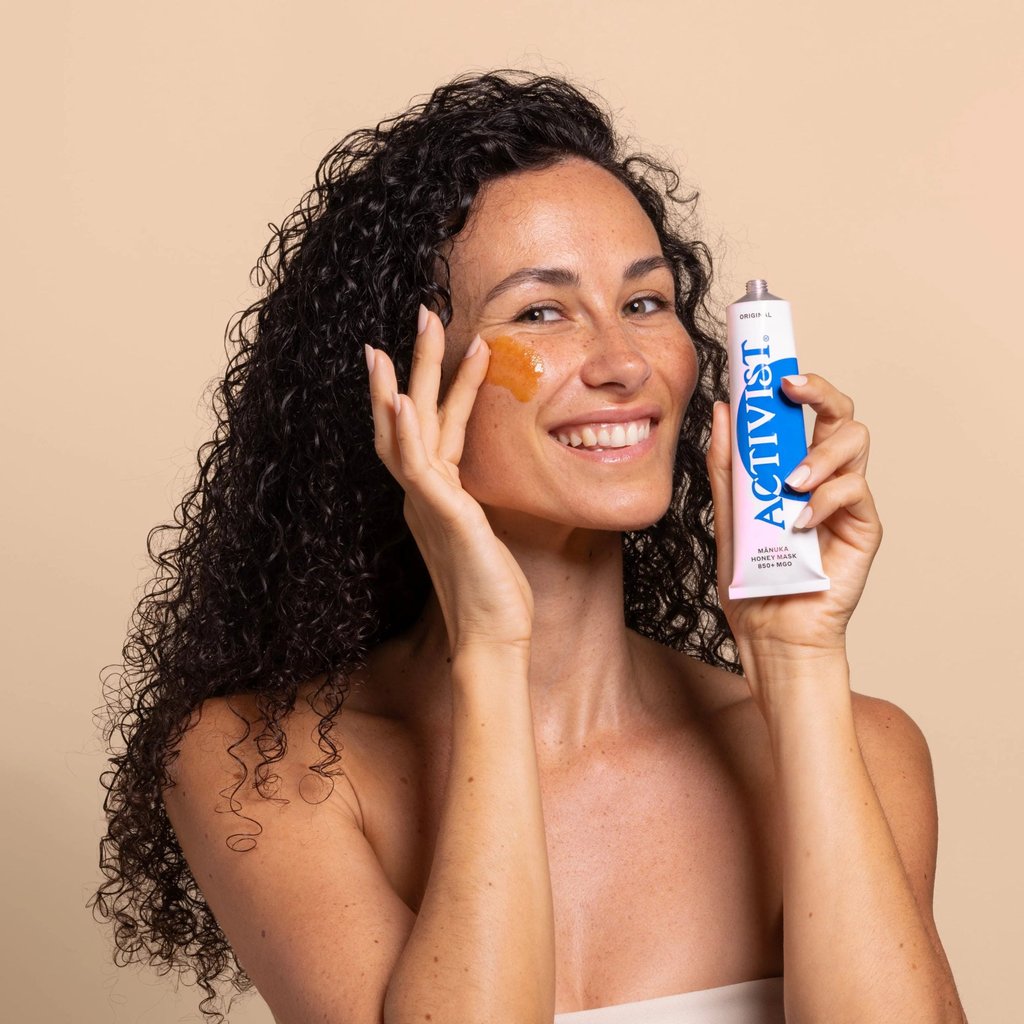
“Manuka honey has a high content of methylglyoxal when compared to other honey options,” says Merve Samur, cosmetic chemist, founder of The INCI Lab and president of the New Zealand Society of Cosmetic Chemists. “MGO is a highly antibacterial compound. There are lots of studies around it being effective on highly resistant pathogens like MRSA,” the kind of bacteria that has developed resistance to most conventional antibiotics. And that, she says, is only part of what manuka is doing.
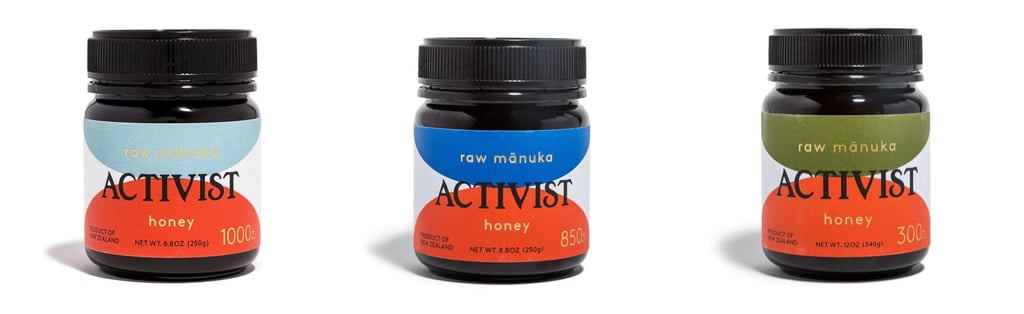
The other part is on the label, which is where most people, understandably, get confused. Anyone who has stood in front of a manuka display knows the alphabet soup: UMF 15+, MGO 514+, NPA, KFactor. The two systems that matter most are MGO and UMF. MGO measures only methylglyoxal, the active ingredient. UMF goes further – it tests for four markers: potency, botanical origin, shelf life stability, and whether the honey has been overprocessed. “UMF is also a certifying body, so basically, it is proof that the source and the levels of the active materials are tested,” Samur explains.
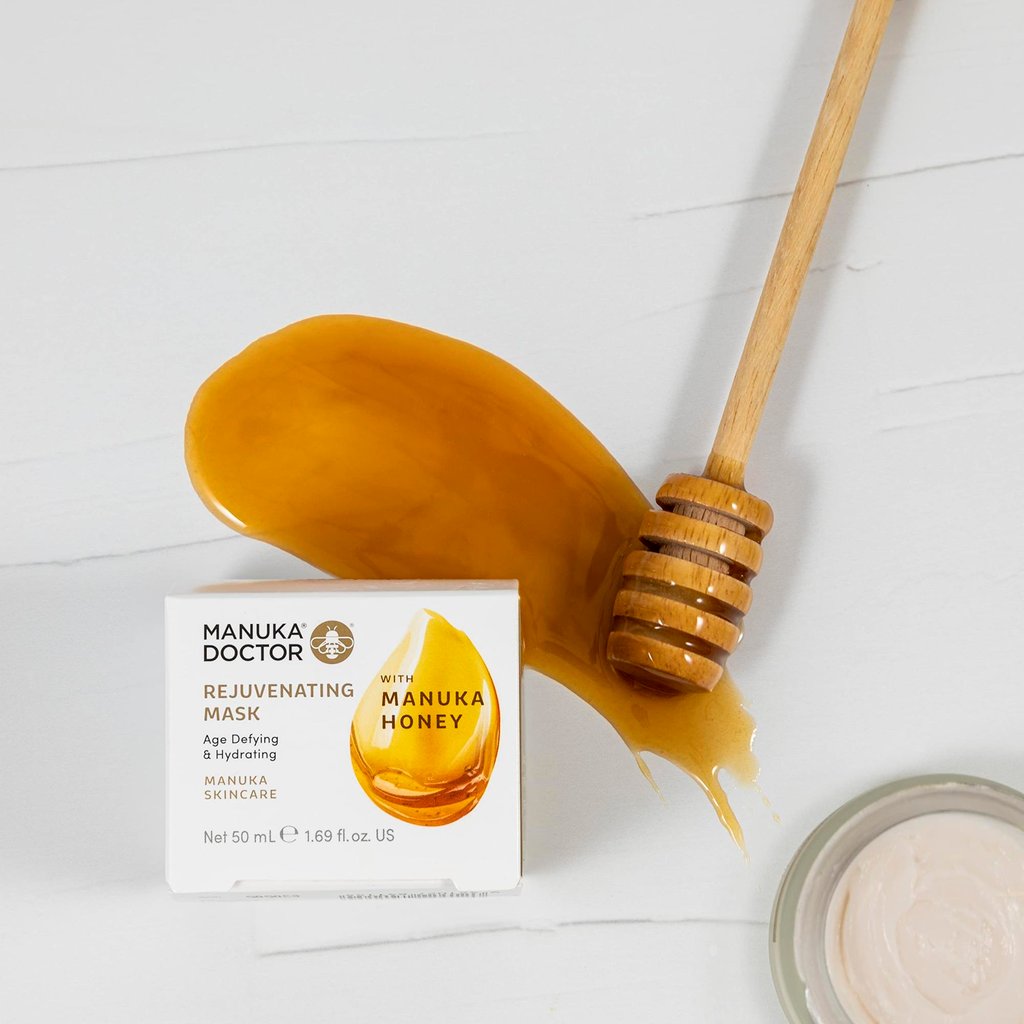
That proof matters because demand for manuka significantly outstrips what New Zealand’s limited geography can actually produce, which has left the global market vulnerable to diluted or mislabelled products for years.
With the label decoded, the skin story becomes easier to follow. Manuka is an emollient, able to draw moisture to the skin’s surface, keeping it hydrated rather than letting it dry out. Its naturally low pH discourages bacterial growth, which is relevant for those prone to acne, and its MGO content has shown anti-inflammatory activity at a cellular level, which is why it keeps appearing in formulations for eczema and rosacea.
Laura Badcock, an aesthetician, cosmetic formulator and COO at NourishUs Naturals, sees manuka honey as a team player rather than a solo act. “Formulators and dermatologists regard it as a complementary ingredient that holds moisture and reinforces the skin barrier,” she says, “and using it with calming ingredients like oat, glycerine or panthenol can help calm reactive skin.”
There is one thing most people forget, though, and Badcock is quick to flag it. “Heat can destroy some of the beneficial compounds,” she says, “so it’s best to give your drink a moment to cool down before spooning the honey in.” The same applies to any skincare formulations that use high temperatures during manufacture.