How Amazon’s Carnival Row star and LGBT campaigner Cara Delevingne is proving Harvey Weinstein wrong

Cara Delevingne has taken down the walls she built up as a supermodel to help her explore the craft of acting and let her emotions flow freely
You know Cara Delevingne. You know her from the fashion magazine cover shoots and Hollywood movies. You have likely seen her face on billboards promoting a spectrum of luxury brands from Dior to Jimmy Choo. You may remember her as Mother Chucker in the music video for Taylor Swift’s Bad Blood. You could be one of her 44 million Instagram followers. Or maybe you just recognise those eyebrows.
Delevingne is in Asia for the launch of the fifth and final special edition celebrating 50 years of TAG Heuer’s most iconic watch, the Monaco. It is a fitting partnership – both the British supermodel-turned-actress and the Swiss watchmaker seek to test limits. Delevingne agrees, telling us, “We’re both about pushing ourselves instead of comparing to others.”

From other lips, such words might come across as empty sound bites, but not from Delevingne.
Despite a comfortable upbringing in London, surrounded by high-society family members who rubbed shoulders with members of the British royal family, Delevingne battled depression and dyspraxia as a child. She has had to deal with Harvey Weinstein telling her to “get a beard” because, he reportedly insisted, she wouldn’t find success in Hollywood as a gay woman.
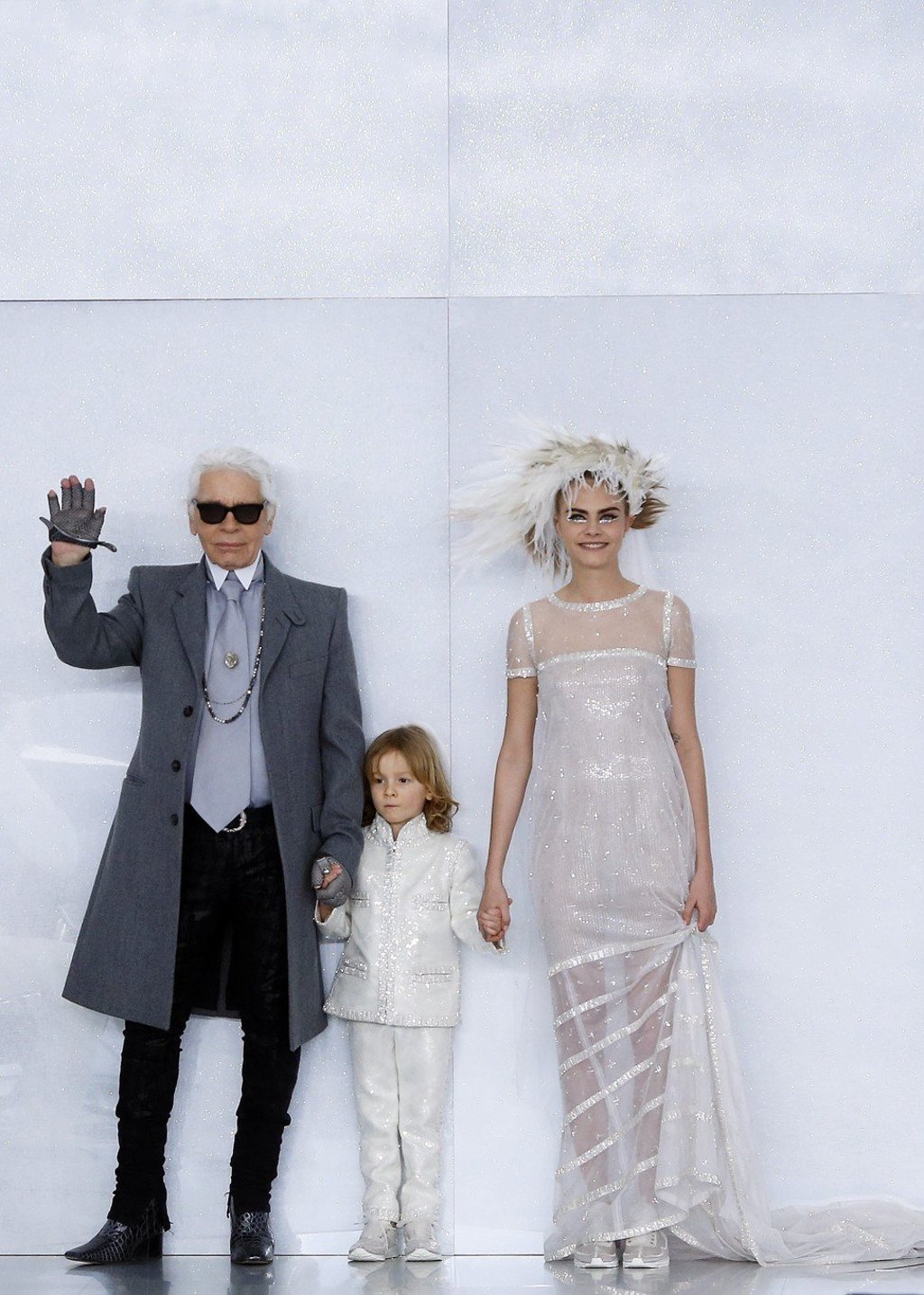
Not that she has let any of that stop her. With steely resolve, she was voted Model of the Year at the British Fashion Awards in 2012. By the time Delevingne was 20 in 2013, she was already queen of the catwalk, on the cover of Vogue, and anointed successor to the likes of Twiggy and Kate Moss.
Having conquered the world of fashion, Delevingne has turned her attention to acting. She has starred in major movies, but her role alongside Orlando Bloom in the new Amazon television series Carnival Row delivered something meatier.
“It really allowed me to explore a more serious side of acting,” she says, “and it took me out of my comfort zone trying to get to grips with the show’s themes of immigration and a refugee crisis.”