Why Netflix needs to screen the rest of Yanxi Palace: Princess Adventures right now – and how those dazzling Qing headdresses stole the show

Viewers love the elaborate blue headpieces, called tian-tusi, that were prized during the Ming and Qing dynasties, and reserved for women in the royal court and aristocrats
Many of us are limiting our time outdoors during the coronavirus outbreak, and that’s left us with way too much time to chill with Netflix.
The streaming service picked up the sequel to hit show The Story of Yanxi Palace, launching the first six episodes earlier this year. If only Netflix would pick up the pace with the remaining episodes of Yanxi Palace: Princess Adventures, there’d be one more show to look forward to while we are cooped up at home.
While the first six episodes elicited mixed reviews thanks to a messy storyline about a princess who might be possessed by evil spirits, the beautiful sets, costumes and jewellery in the show wowed viewers.
One of the most stunning jewellery pieces seen in the early episodes was a vivid blue bridal headpiece worn by the protagonist, the spoilt Princess Zhaohua, daughter of last season’s heroine Wei Yingluo and Qianlong Emperor.
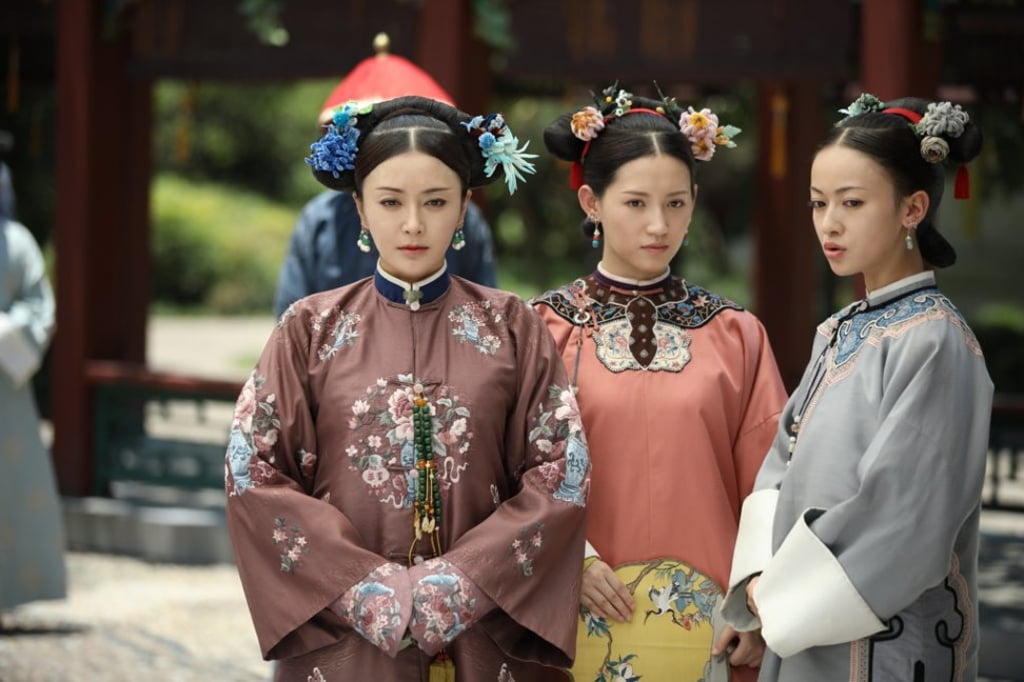
It’s not the first time blue headpieces have appeared in the series. But where does this elaborate jewellery get its bright colours from? It’s not gems, lacquer, enamel or any other precious materials we often associate with luxury designs. These blue designs, called tian-tsui, were prized during the Ming and Qing dynasties, and were reserved for women in the royal court and aristocrats.
Tian-tsui hairpins and headdresses are decorated with kingfisher feathers that are individually applied onto gold or other alloys, similar to how cloisonné enamel is applied to compartments, made of alloy wires set on a metal base. In the case of tian-tsui, headdresses, or phoenix crowns, are often fashioned out of copper.