Dua Lipa talks politics, cancel culture, gender rights ... and hasn’t heard ex-boyfriend Paul Klein’s album about her – interview

Back with the relentlessly upbeat new album Future Nostalgia – favourably compared to Lady Gaga – 24-year-old Dua Lipa lets rip about inequality, group shaming, male harassment, Jeremy Corbyn and why people find her dad Dukagjin Lipa hot
A few months ago Dua Lipa announced that her second album, “Future Nostalgia” was going to come out early. “I hope it brings you some happiness,” she says.
In a review of Lady Gaga’s comeback single, Stupid Love, which was released in February, a critic wrote that the song filled “a void in our downcast landscape”, adding that the only other artist like Gaga right now is the British pop star Lipa. Her music, the review said, is “big, bright, heart-on-sleeve. There’s an appetite for this kind of exuberant sound”.
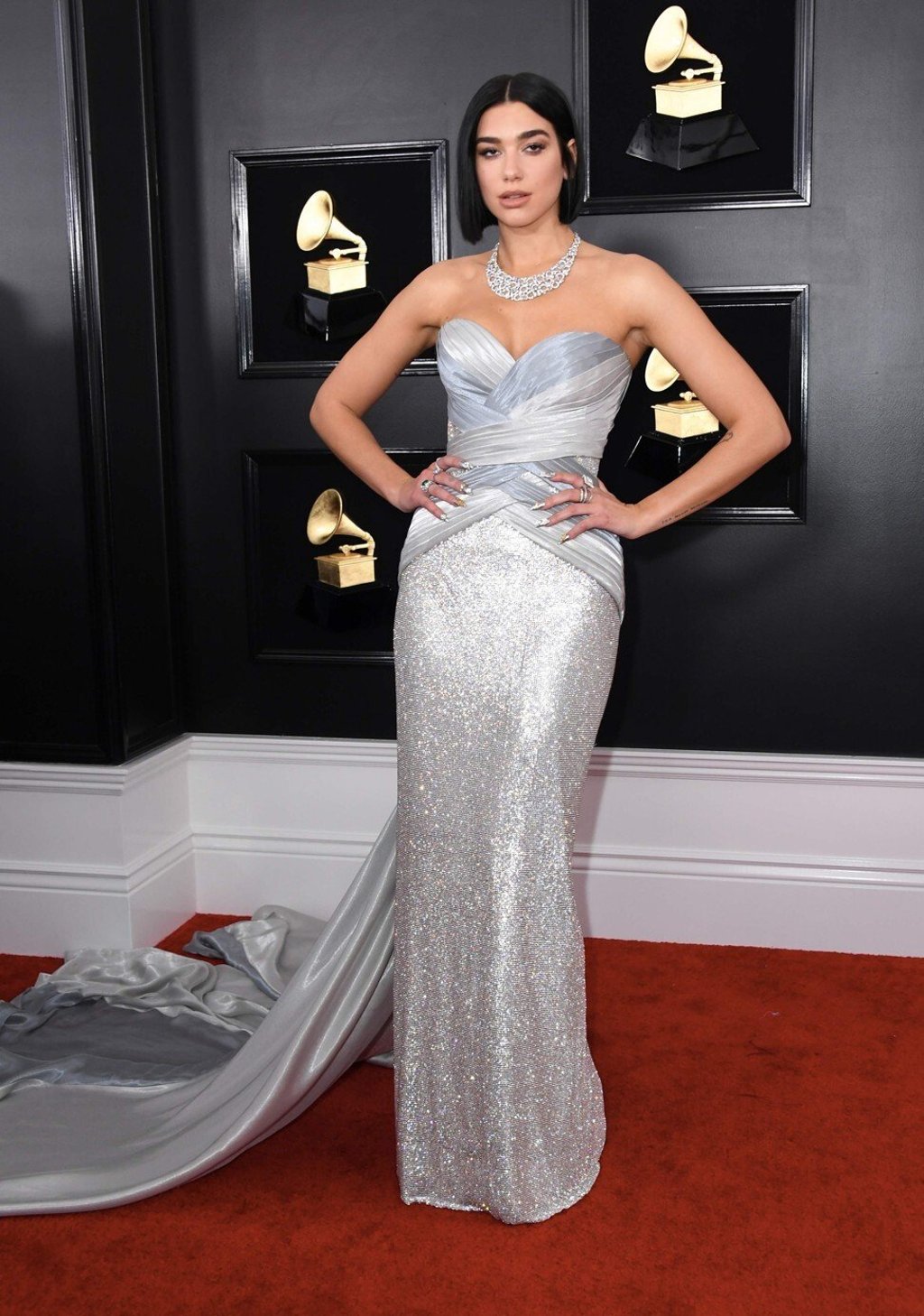
Lipa, when she hears about the Gaga review, looks delighted, if shocked, and even a little daunted. The comparison between the two singers makes sense, though. Lipa’s eponymous debut album won her Grammys and buoyed millions with its sassy, indefatigable resilience. Fast-forward to newly released “Future Nostalgia”, and she is aiming for even greater heights. Like Gaga’s at its best, it is music for endorphins, designed to never make you sad.
“For me,” Lipa says, “there should always be some sort of a happy ending.”
I met the 24-year-old artist earlier this year, before the Covid-19 pandemic got serious, when people still thought nothing about meeting face-to-face. After bumping elbows, we sat down for tea at a banquette in a London club.
These are real things I have gone through. Getting home from school, scared of boys, I put keys between my knuckles. We constantly change the way we are so we don’t get harassed, cover our bodies so boys don’t say things
Lipa has a husky voice and, at 5ft 8in (1.72 metres) was poised. Wearing a baggy jumper, she sat rather still; her huge leather jacket taking up a seat of its own. Keith Haring’s figure drawings are tattooed on her thumbs; a third tattoo, on her left forearm, reads “This means nothing”. Imagine James Dean playing Wonder Woman and you have a sense of her cool and purpose, which is to do exactly what pop stars are on this planet for – to cheer us up.
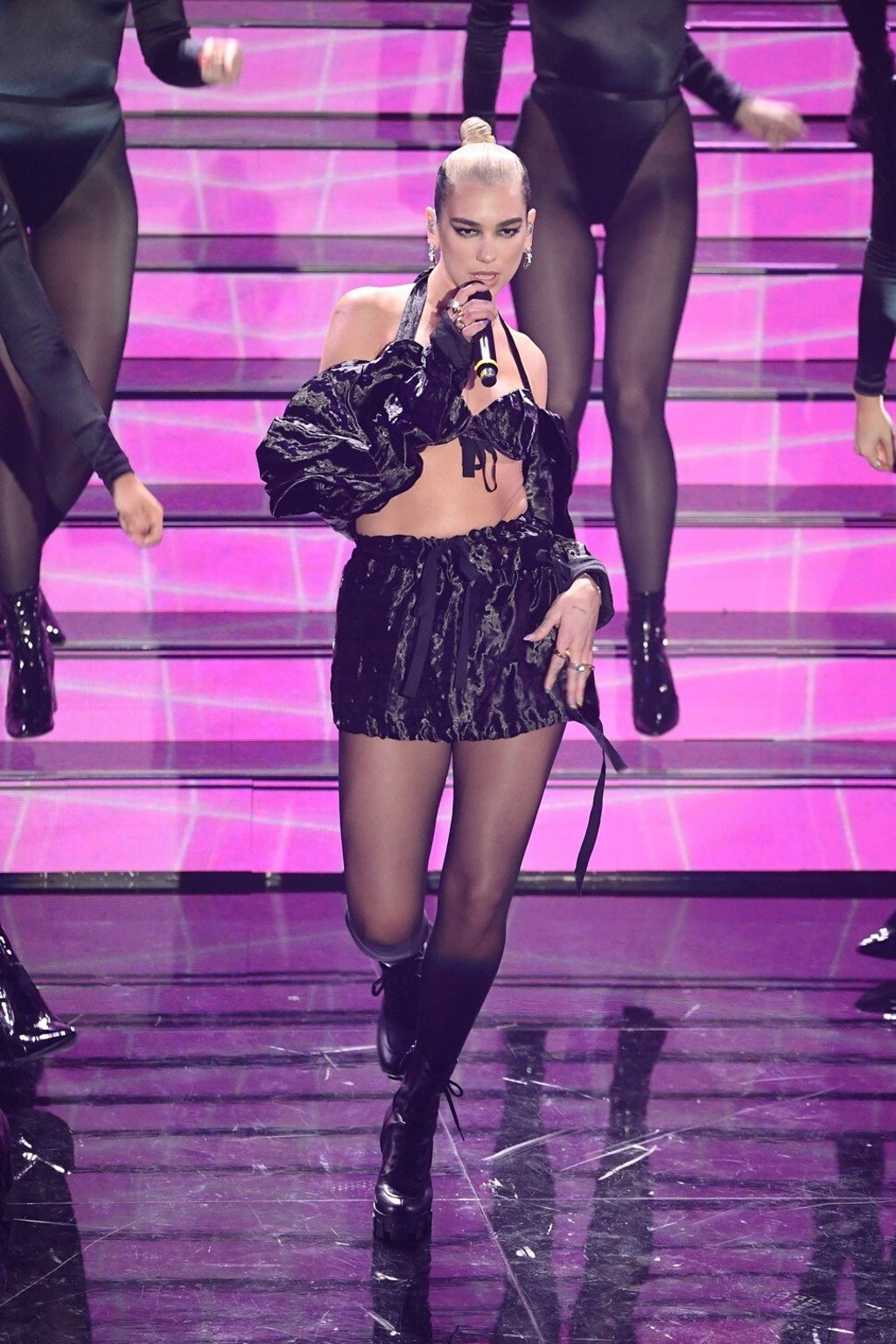
Lipa knows the importance of that more than most. In 1992, her Kosovar-Albanian parents fled their war-torn country for London; she was born three years later. There was a brief spell in the Balkans, but she soon returned to the UK capital, where, some years and a few jobs later, she became a globally recognised star.
Lipa is a blend of her past and present, the personal and overtly political, someone who writes music as euphoric as Physical – the popular “Future Nostalgia” track has a video based around an orgasm – while using her vast platform to support former Labour Party leader Jeremy Corbyn, who failed to inspire such ecstasy among voters.
Why the latter, I ask?