Without French jasmine, Chanel N°5 perfume wouldn’t exist – which is why the luxury brand is buying up fields to safeguard its bestselling scent

- Jasmine, the key ingredient in Chanel’s most famous fragrance in the world, is in short supply due to disappearing flower crops
- The luxury brand has bought more jasmine fields in southern France to secure the limited ingredient in the N°5 fragrance created by late designer Coco Chanel
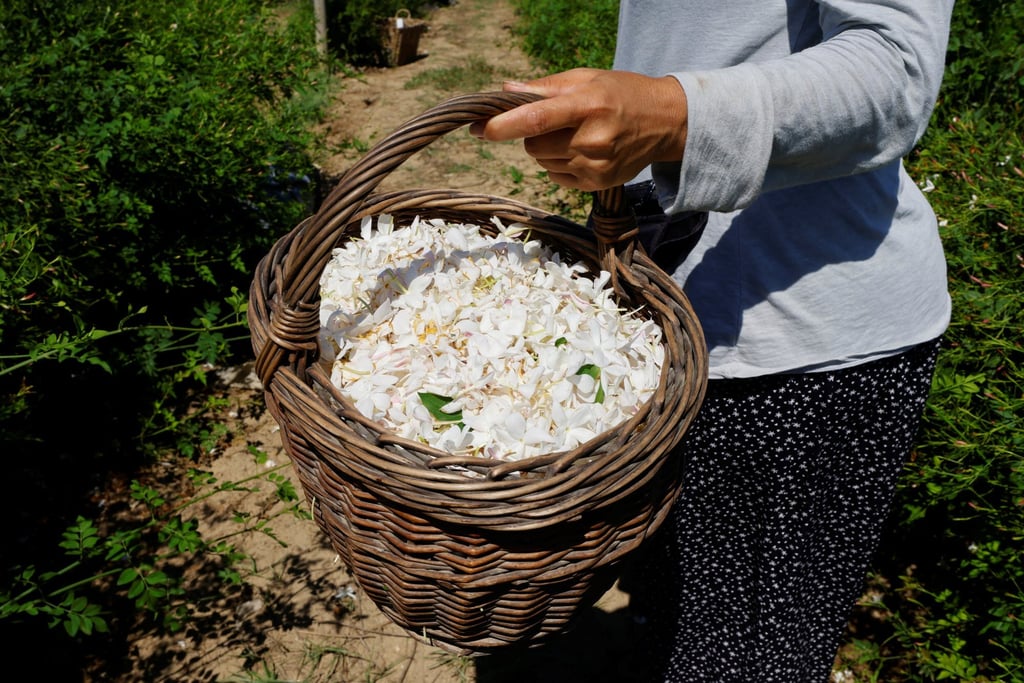
The luxury group said it had bought up an extra 10 hectares, which amounts to 100,000 square metres (1,076,391 sq ft) of land, adding to the 20 hectares (49 acres) it already exploits in partnership with a local family near the town of Grasse, known for its surrounding flower fields.
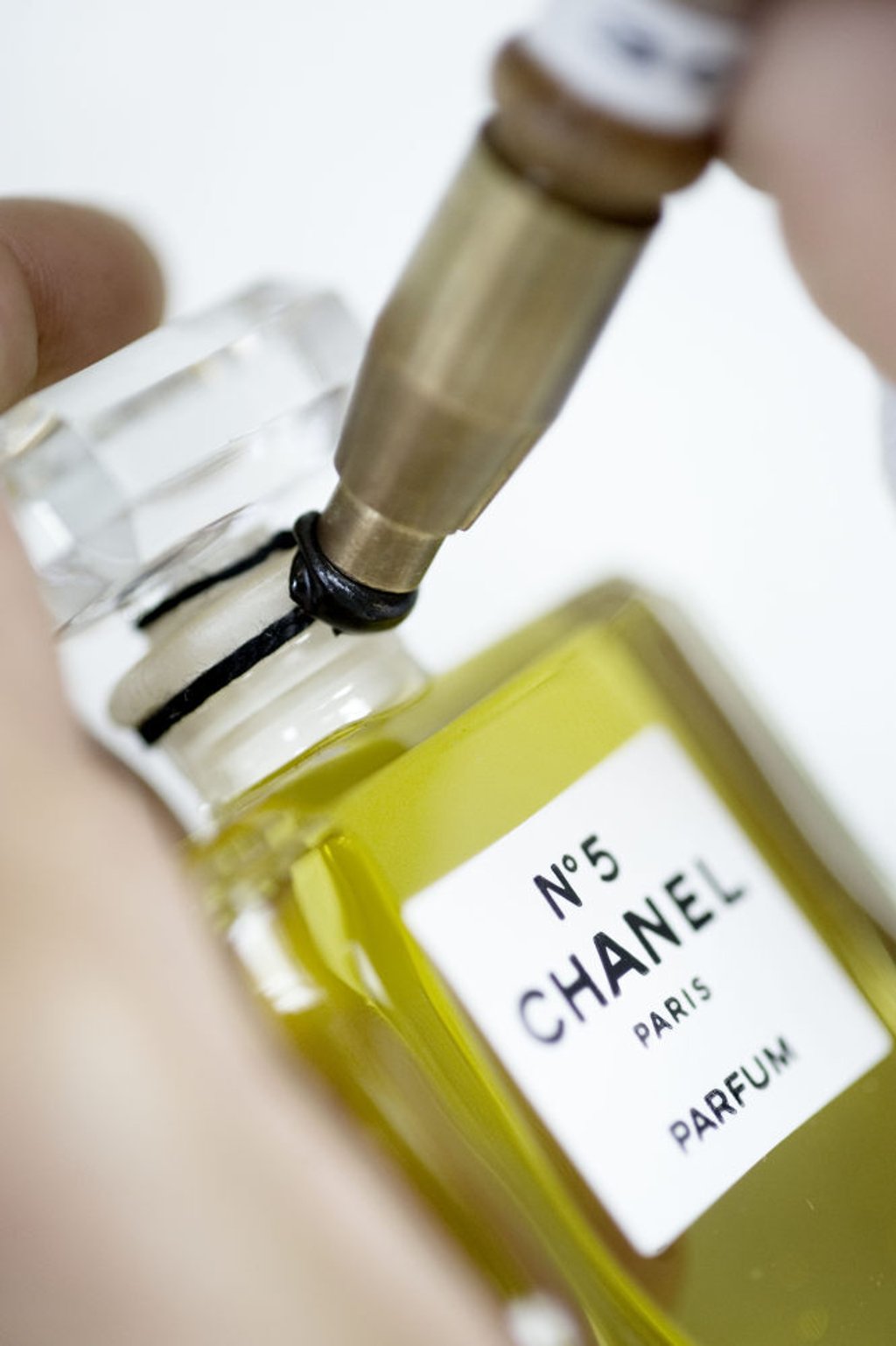
Chanel struck a deal with the Mul family in the late 1980s to anchor its production of five flowers in the region. Some local producers began selling their land at the time, drawn in part by property deals in the region close to Nice and the French Riviera.
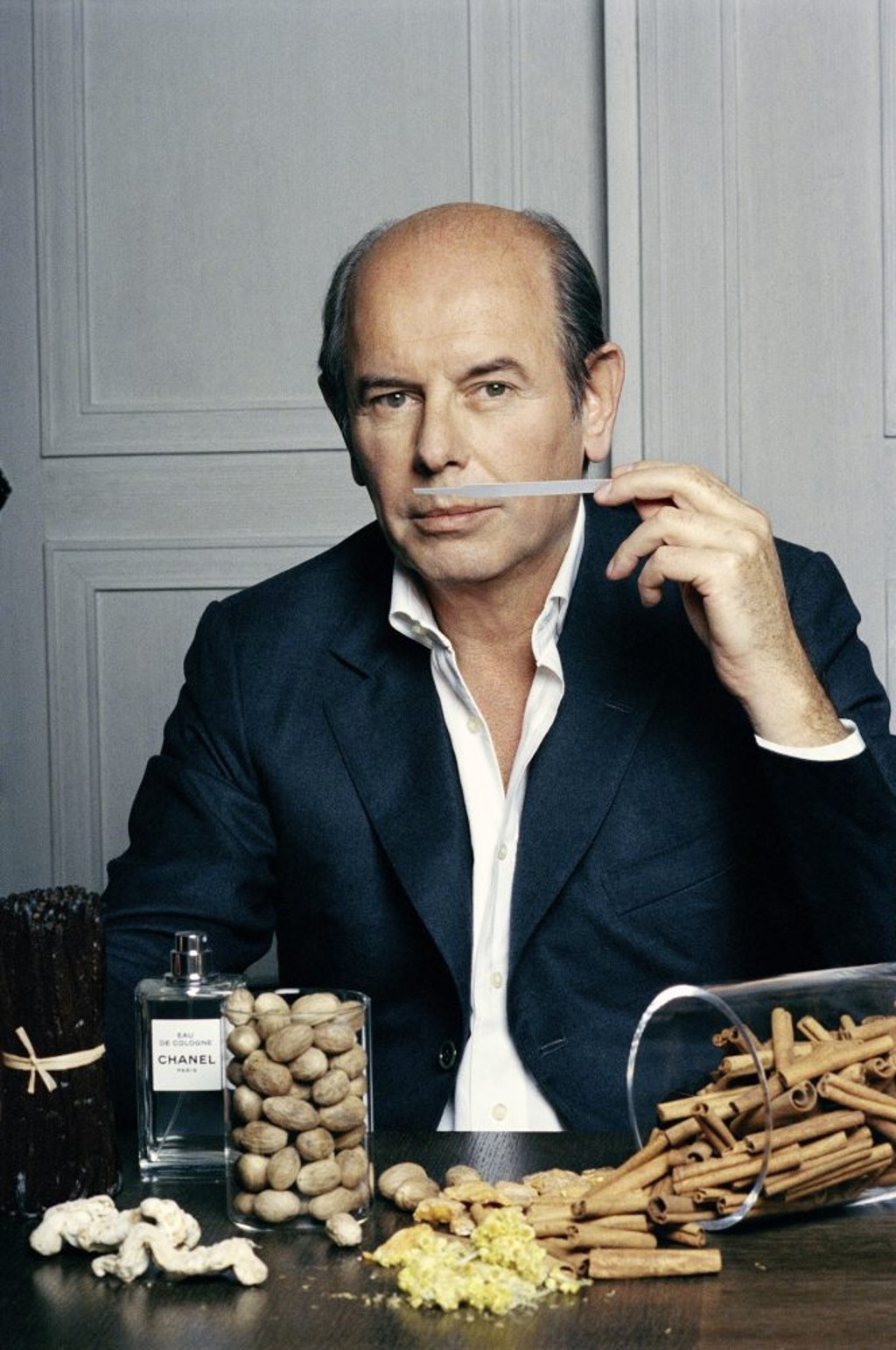
“There was a time when there was a threat because jasmine production was starting to move to other countries,” said Olivier Polge, who followed in his father’s footsteps to become Chanel’s head perfumer in 2013.
The jasmine grown in Grasse has a specific scent. The region became a flower and fragrance hub in the 17th century, when local leather tanners began to perfume their wares.
Fabrice Bianchi, who runs the Mul family’s production, said operations were not too affected by the Covid-19 pandemic, with pickers able to work outside. The virus causes some sufferers to lose their sense of taste and smell – a particular problem for perfumers, known as “noses” in the business.
“For sure, it was a pretty peculiar year,” said Polge. “But in many ways it was the same for me as for everyone, even though I’m a nose – we all tried not to get it.”