Stan Twitter: toxic fans are ‘encouraged’ by artists - but music stars need to condemn, not enable, the angry online mobs that harass critics and minorities

- Ariana Grande fans bombarded a Filipino-Canadian writer with racist and misogynistic abuse on Twitter – but the victim claims the singer ignored her pleas to intervene
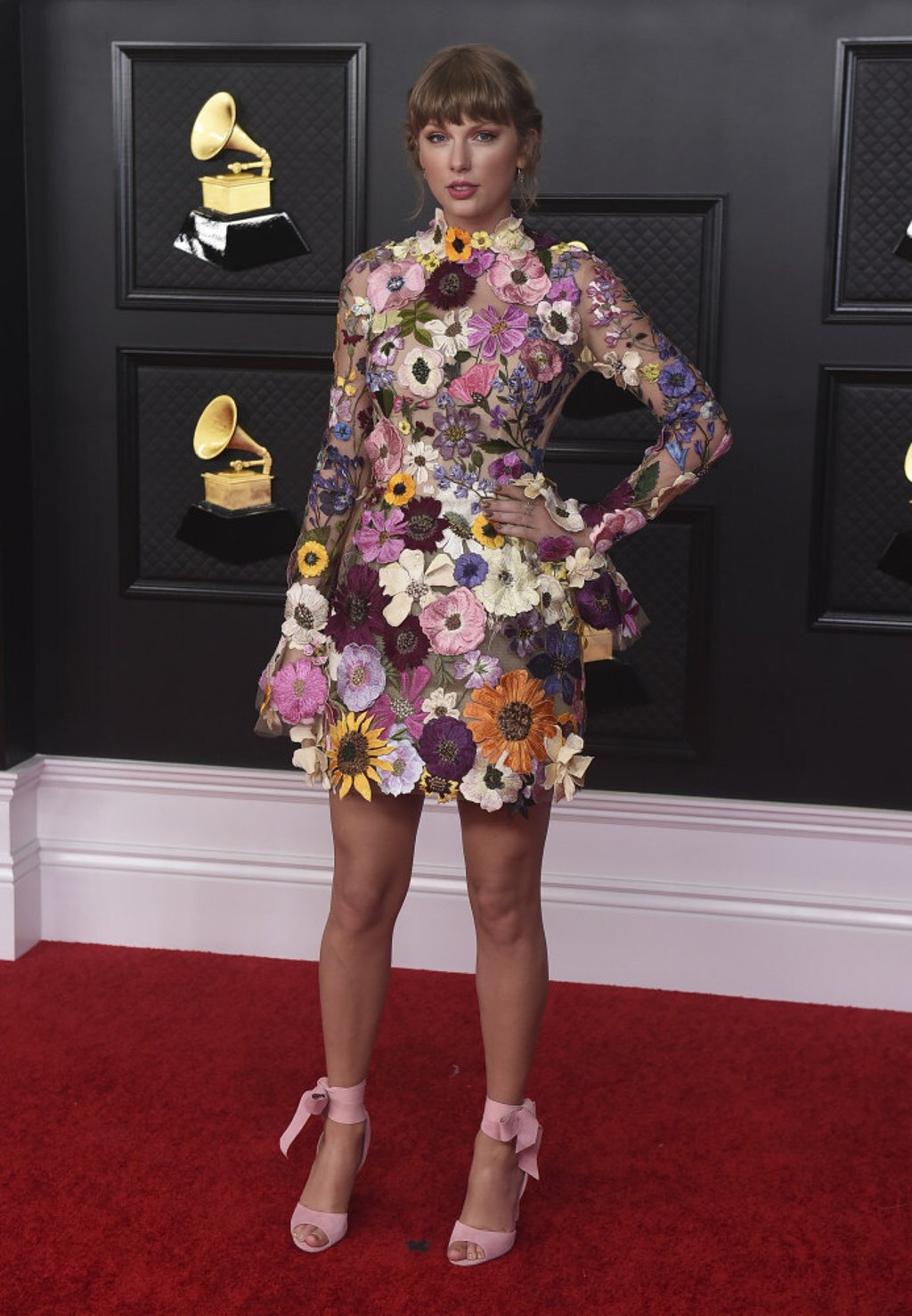
- Taylor Swift followers doxxed a Pitchfork reviewer – after Folklore scored an 8/10 review – and Lana Del Rey called out an NPR critic directly, prompting netizens to do the same
Ethan first knew something was wrong when fans of a popular rapper told him to choke on the chips he tweeted about.
Ethan, who asked to remain anonymous and is referred to here by a pseudonym, had written in an article on a hip-hop website that the rapper should take a year off in lieu of producing a new album. What started as a “weird” reply to a single tweet, Ethan said, turned into a harassment campaign.
He received emails and direct messages containing homophobic language, memes edited to show the artist holding a gun, and comments telling him to keep his mouth shut. On Instagram, fans directed one another to harass him on Twitter. Eventually, they posted his family’s home address.
Stopgap measures like changing his Instagram username weren’t enough to stymie the flow of hate. Fans found his new handle by reverse image searching a photo he posted, Ethan suspected. Twitter didn’t process reports quickly enough. Eventually, the harassment died down only after he set his Twitter account to private and the publication removed his byline from the article.
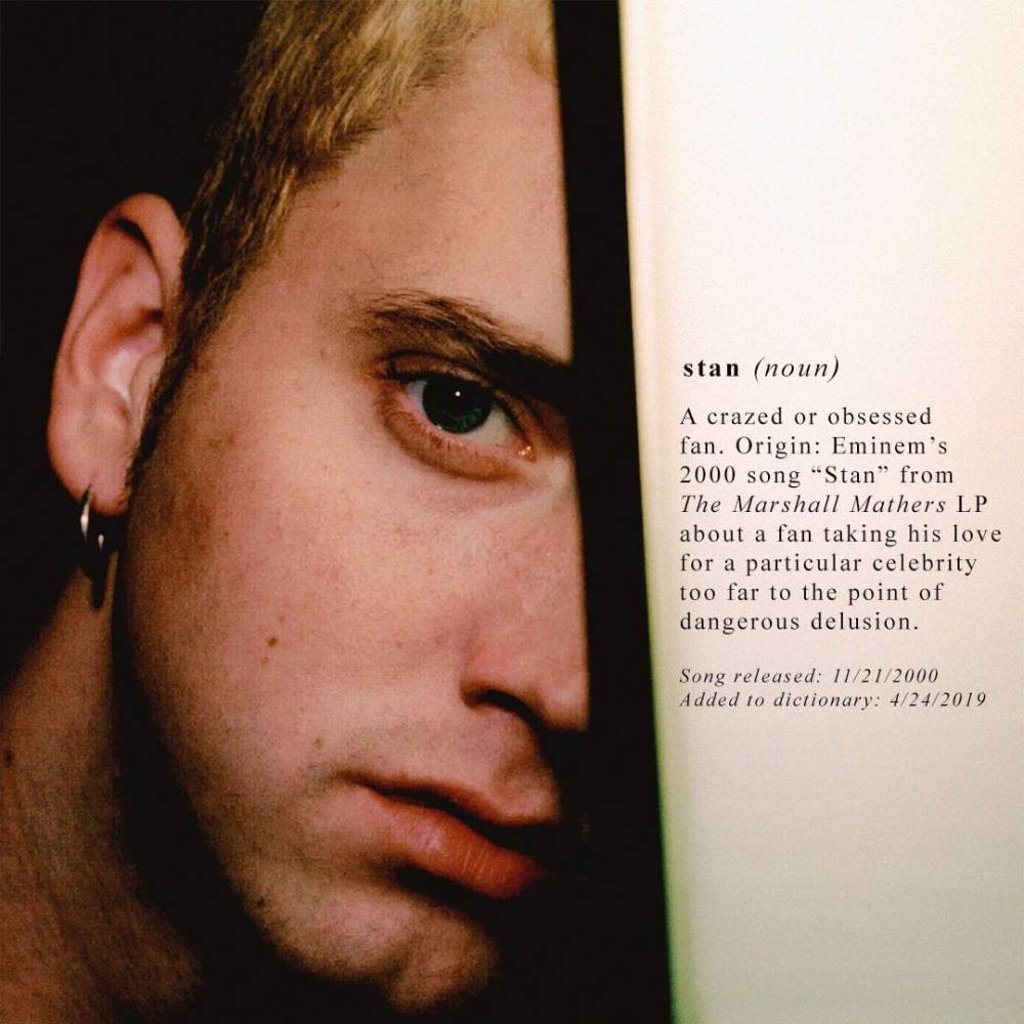
For many journalists like Ethan, who write about pop stars, harassment from stans – a term derived from an Eminem lyric that describes extremely dedicated fans, in the 2000 song of the same name – is almost a rite of passage. Even a glowing review can provoke a flurry of harassment ranging from angry comments in a writer’s Twitter mentions to leaked personal information.
Stan Twitter is capable of extreme good: it can serve as a tight-knit community, help elevate artists, and raise money for charitable causes. But it’s also capable of extreme harm.
It’s rare for any artist, particularly major pop stars with large fandoms, to condemn the harmful actions of their fans. But in some cases, they can actively drive it
The harassment can be “overwhelming, frustrating and unsurprising”