House of Gucci vs the true story of the wealthy Gucci family – what really happened to Maurizio, Paolo, Aldo and Rodolfo Gucci in the Lady Gaga film?

- Patrizia Reggiani and her psychic Pina Auriemma, played by Salma Hayek, were both convicted of planning Maurizio’s murder – bot does the Ridley Scott film show their fast friendship?
- Paolo, played by Jared Leto, filed for bankruptcy in 1993 while the exuberant Aldo, portrayed by Al Pacino, served time in prison for tax evasion
It was likely Aldo Gucci who started the story that the family was descended from noble saddlemakers to the medieval courts, when his father and company founder, Guccio, actually began his career working at the Savoy Hotel in London before opening a small shop in his native Florence, Italy.
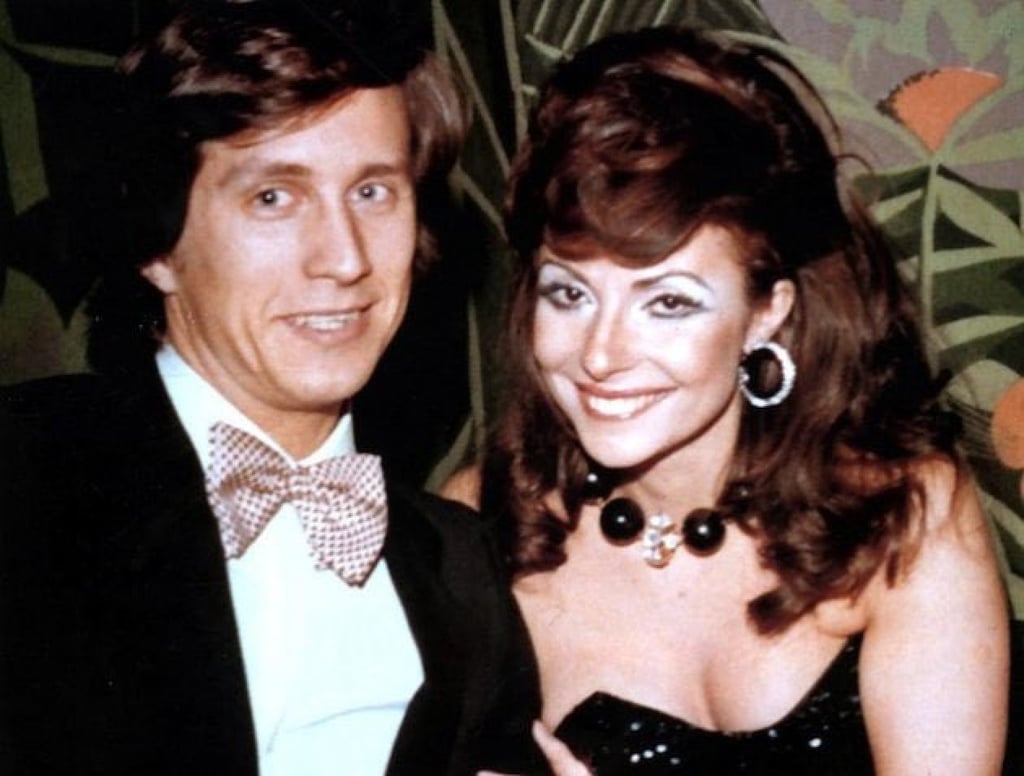
The screenplay is credited to Becky Johnston and Roberto Bentivegna, from a story by Johnston that adapted Sara Gay Forden’s 2000 book House of Gucci: A Sensational Story of Murder, Madness, Glamour and Greed. (Have many other films taken a book’s subtitle so strongly as a directive?)
The movie compresses and streamlines the story – Reggiani and Maurizio had two daughters, not just one; Aldo had three sons, not just Paolo; Maurizio was shot four times, not just three – with the book dedicating much more space to the business machinations and seemingly endless lawsuits the family members would file against one another.
Roberto, one of Aldo’s sons not depicted in the movie, went on to run a small leather goods business in Florence after selling his shares of the family company, and once said, “The Guccis were a great family. I ask forgiveness for all their mistakes. Who doesn’t make mistakes?”
The film ends with a card that carefully acknowledges the company’s current leadership, and also notes that it currently has an estimated value of US$60 billion – far beyond the scale of the company during the time depicted in the story.
Yet House of Gucci can only strive to capture the larger-than-life aspects of the Gucci family and those in their circle.
Patrizia Reggiani